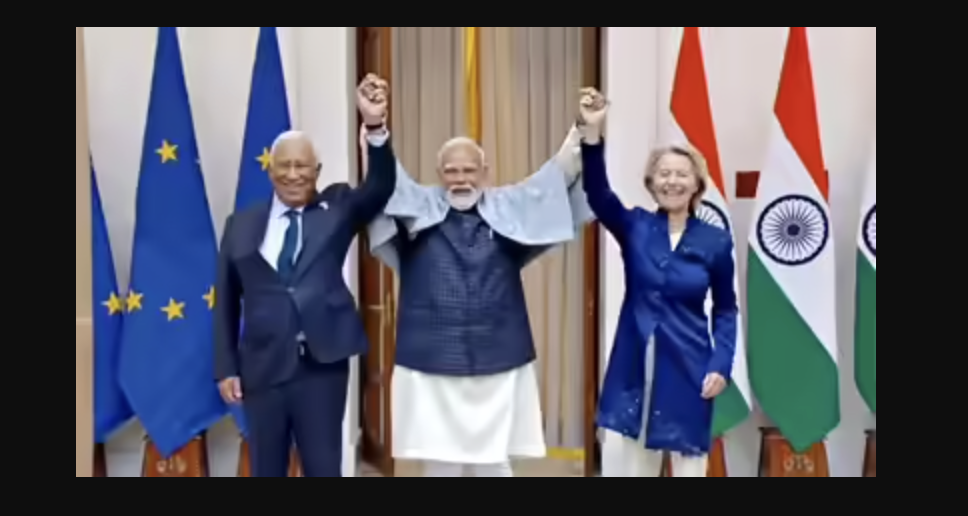
India and the European Union have sealed a landmark free trade agreement (FTA) after nearly two decades of negotiations, a pact many are calling the “mother of all deals.” This historic agreement — expected to take effect in 2027 after legal reviews — will significantly lower or eliminate tariffs on a broad range of European goods, bringing meaningful savings for Indian consumers across multiple categories.
Luxury Cars: Major Price Relief Likely
One of the most eye-catching outcomes of the FTA is the sharp reduction in import duties on European cars. Currently, luxury imports often attract tariffs as high as 110 percent, but under the deal, cars costing over €15,000 (roughly ₹16 lakh and above) will initially face duties around 40 percent, eventually dropping to approximately 10 percent over time as part of a phased reduction plan. This could slash sticker prices by lakhs for premium brands like Mercedes-Benz, BMW, Audi and others, making them more accessible to Indian buyers.
Wine, Beer and European Food Items
Indian consumers will also see significant price drops in European beverages and food products. Tariffs on European wine — historically as high as 150 percent — are set to fall to around 20 percent for premium imports, with middle-range wines also seeing steep reductions. Spirits and beer taxes will taper down under the agreement, improving affordability for a broader segment of buyers. Additionally, processed foods such as chocolates, olive oil, pasta and baked goods may become cheaper or face zero duty in certain cases, expanding choices in supermarkets and gourmet sections.
Medicines and Medical Equipment
The deal will also benefit consumers looking for European pharmaceuticals and medical devices. Under the FTA, tariffs on pharmaceuticals, surgical tools, and certain medical equipment will be reduced or eliminated on a staged timeline, making these essential products more price-competitive in India. This could help decrease costs for treatments and specialised healthcare supplies that often carry steep import levies.
Wider Consumer Goods and Everyday Items
Beyond cars and drinks, the tariff roll-backs extend to a wide range of consumer goods including machinery, electronics, optical equipment, and some luxury items like jewellery and precision instruments — though sensitive agricultural products like dairy and sugar remain excluded from full liberalisation.
What It Means for Indian Shoppers
For Indian consumers, the India–EU FTA promises expanded choice and lower prices on imported European brands and products. While some reductions will happen immediately upon implementation, others will be phased in over several years to balance domestic industry interests with consumer benefits. In sectors like automobiles, beverages, food and healthcare, households may soon enjoy significant savings and broader access to premium European offerings.