To improve identification and security, India has launched an electronic passport that integrates advanced electronic passport technology with the traditional paper document. This initiative aims to strengthen border control measures, enhance data protection, and align India with global best practices in passport security.
Pilot Launch Under PSP 2.0
The e-passport project was rolled out as a pilot under the Passport Seva Programme Version 2.0, which went live on April 1, 2024. The Ministry of External Affairs has overseen this phase to test the technology, user experience, and administrative processes before a countrywide launch.
E-Passport Issuance Across India
Twelve Regional Passport Offices currently issue e-passports. These are located in Nagpur, Bhubaneswar, Jammu, Goa, Shimla, Raipur, Amritsar, Jaipur, Chennai, Hyderabad, Surat, Ranchi, and Delhi. In Tamil Nadu, issuance began on March 3, 2025 at the Chennai RPO, and by March 22, 2025 over 20,729 e-passports had been delivered in the state alone.
Advanced Technology and Security Features
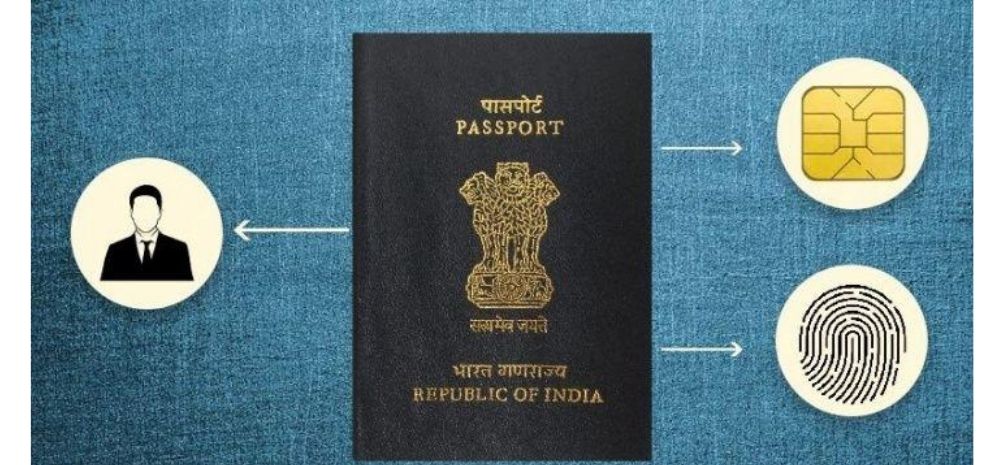
Each e-passport embeds an antenna and an RFID chip within the inlay, marked by a gold symbol on the front cover. Public Key Infrastructure (PKI) secures the biometric and personal data stored on the chip by authenticating its integrity. This system prevents data tampering and counters forgery, ensuring that passport information remains reliable during border surveillance.
Benefits and User Experience
E-passports offer enhanced data protection, reducing the risk of identity theft and fraudulent use. Automated border control gates can read the RFID chip to verify the passport holder’s identity quickly and accurately. Despite these advantages, holders of traditional paper passports need not upgrade immediately, as all existing passports remain valid until their expiry.
Future Rollout Plans
This first phase is scheduled to expand to all Passport Seva Kendras across India by mid-2025. The nationwide rollout will standardize passport security and streamline issuance processes. As the infrastructure develops, applicants can expect reduced processing times, greater consistency in biometric capture, and improved overall travel experience.
The introduction of the Indian e-passport marks a major step in modernizing document security and identity verification. With advanced tech features and a clear roadmap for nationwide deployment, this initiative positions India among nations leading the next generation of secure travel documents.