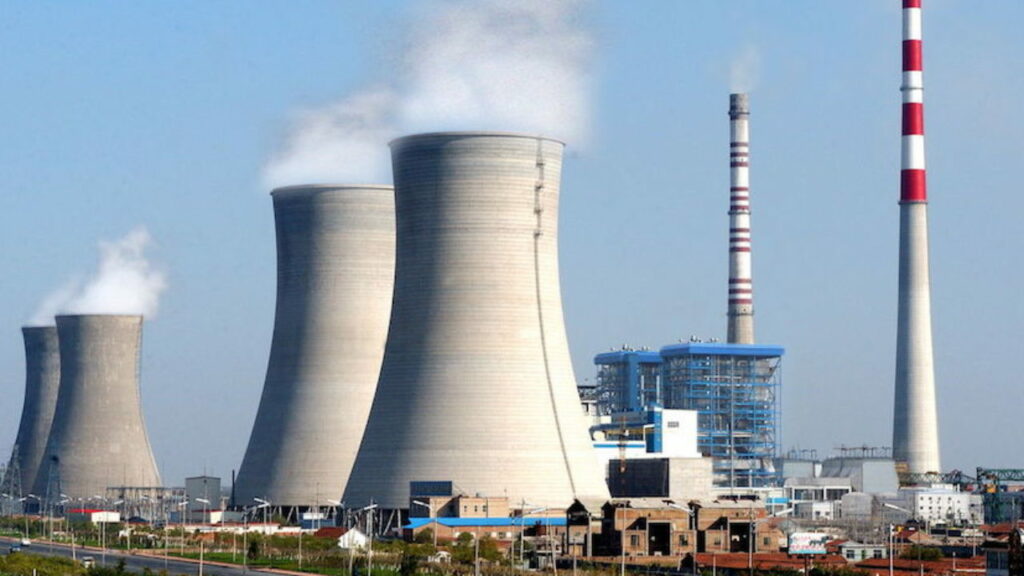
In a significant policy shift, the Indian government has relaxed sulphur dioxide (SO₂) emission norms for coal-fired power plants. This decision, aimed at cutting electricity costs by 25–30 paise per unit, is designed to strike a balance between environmental responsibility and economic practicality.
Who Must Install FGDs Now?
As per the new rules notified in the Gazette, only thermal plants located:
- Within 10 km of cities with over 1 million people
- In critically polluted areas
- In non-attainment cities, on a case-by-case basis
…are required to install Flue Gas Desulphurisation (FGD) systems. Over 79% of India’s coal capacity, largely in rural or less populated regions, is now exempt.
Backed by Scientific Research
This recalibration stems from reports by IIT Delhi, CSIR-NEERI, and NIAS, which found:
- SO₂ levels across most of India are well within limits (3–20 µg/m³ vs. the 80 µg/m³ standard)
- Indian coal has low sulphur content
- High smokestacks in plants allow for effective pollutant dispersion
The CPCB also noted that retrofitting with FGDs could paradoxically increase CO₂ emissions, due to added limestone mining, energy consumption, and transport.
Cost, Downtime, and Grid Stability
Mandatory FGDs would have required over ₹2.5 lakh crore investment and caused unit shutdowns for up to 45 days. The revised policy eases this burden on power producers and discoms, reducing capital expenses and helping stabilize the grid during peak demand seasons.
Not a Rollback—A Scientific Recalibration
Government officials emphasized that this is not a weakening of environmental norms. Instead, it’s a location-based, evidence-led adjustment. An affidavit detailing this will soon be submitted to the Supreme Court, in the ongoing MC Mehta vs Union of India case.
Industry experts have lauded the move, calling it “a rational step that benefits both the environment and the economy.”