Dubai’s Roads and Transport Authority (RTA) has taken a major leap into the future of transportation by launching fully autonomous robot taxis powered by Baidu Apollo Go, a self-driving ride-hailing platform. These robot-taxis — capable of operating on public roads without human safety drivers — represent one of the most significant deployments of autonomous ride-hailing technology outside China and showcase Dubai’s commitment to smart, innovative urban mobility.
First-of-Its-Kind Permit and Operations
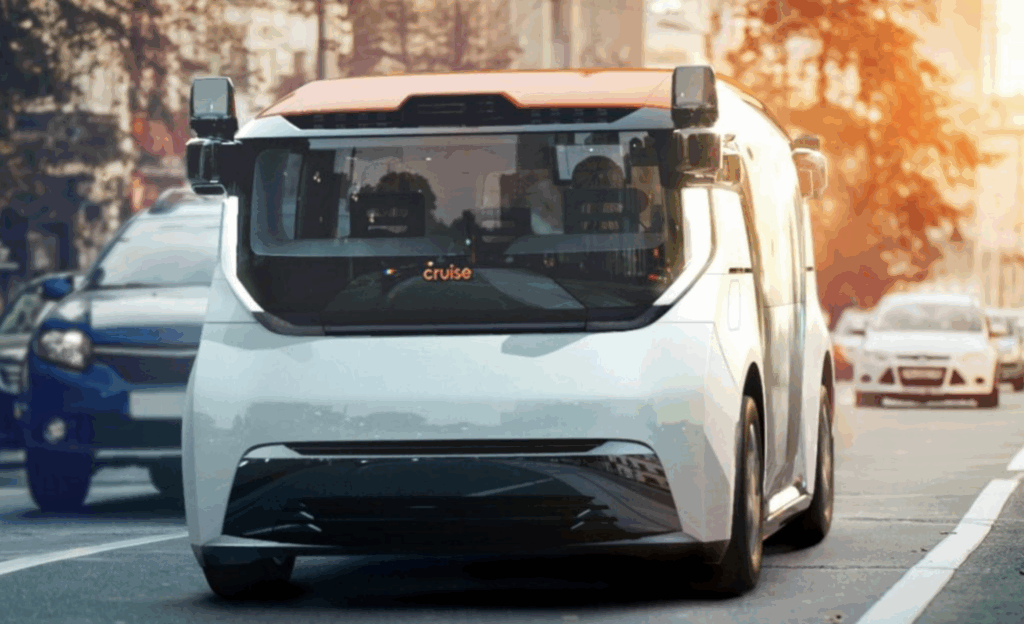
The RTA granted Baidu Apollo Go a first-of-its-kind permit to operate fully driverless vehicles in Dubai, allowing commercial trials and services on designated public streets without a human in the driver’s seat. This regulatory milestone is the foundation for an early-2026 rollout of autonomous robotaxi services, moving the technology from pilot trials to real-world application.
Supporting the initiative is an Autonomous Vehicles Operations and Control Centre, a specialised hub that manages infrastructure, real-time supervision, training, and safety monitoring for the autonomous fleet. The centre underscores Dubai’s readiness to integrate cutting-edge transport solutions within its broader smart city framework.
Expanding Urban Coverage and Public Access
Initial deployment plans involve rolling out robotaxi services across multiple strategic locations throughout the city, with vehicles available for app-based booking and 24/7 service. This accessibility aims to familiarise residents and visitors with autonomous transport as a complement to traditional public transit — reducing traffic congestion and improving travel efficiency across key urban corridors.
Beyond Dubai’s core zones like Jumeirah and Umm Suqeim, future expansion is anticipated as permit phases progress and service adoption grows. This staged approach will help ensure safety, reliability and user familiarity before broader metropolitan coverage.
Innovation Meets Regulation
Dubai’s autonomous taxi initiative is built on robust regulatory support and close collaboration between public authorities and technology partners. The regulatory environment allows autonomous vehicles to operate within established safety norms, while data-driven infrastructure supports real-time monitoring and system optimisation. This framework reflects Dubai’s vision to become a global laboratory for future transport technologies.
What It Means for the Future of Mobility
The commercial launch of self-driving robot taxis positions Dubai as a leader in global autonomous mobility, with potential benefits that include reduced emissions, lower transportation costs, and improved traffic management. By embracing autonomous technology at scale, the emirate is setting the stage for a new era of urban travel, where driverless vehicles play an integral role in everyday life.