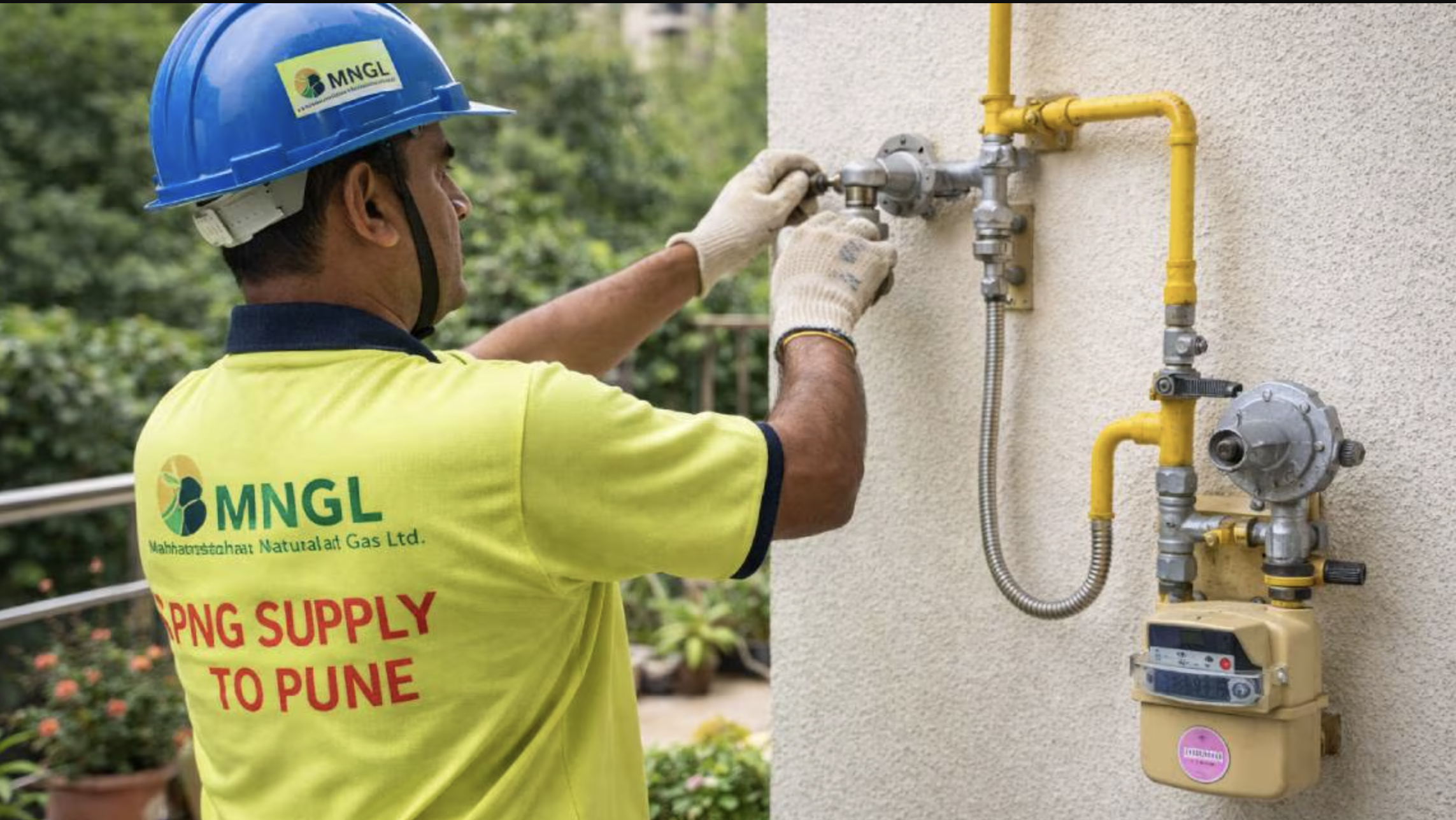
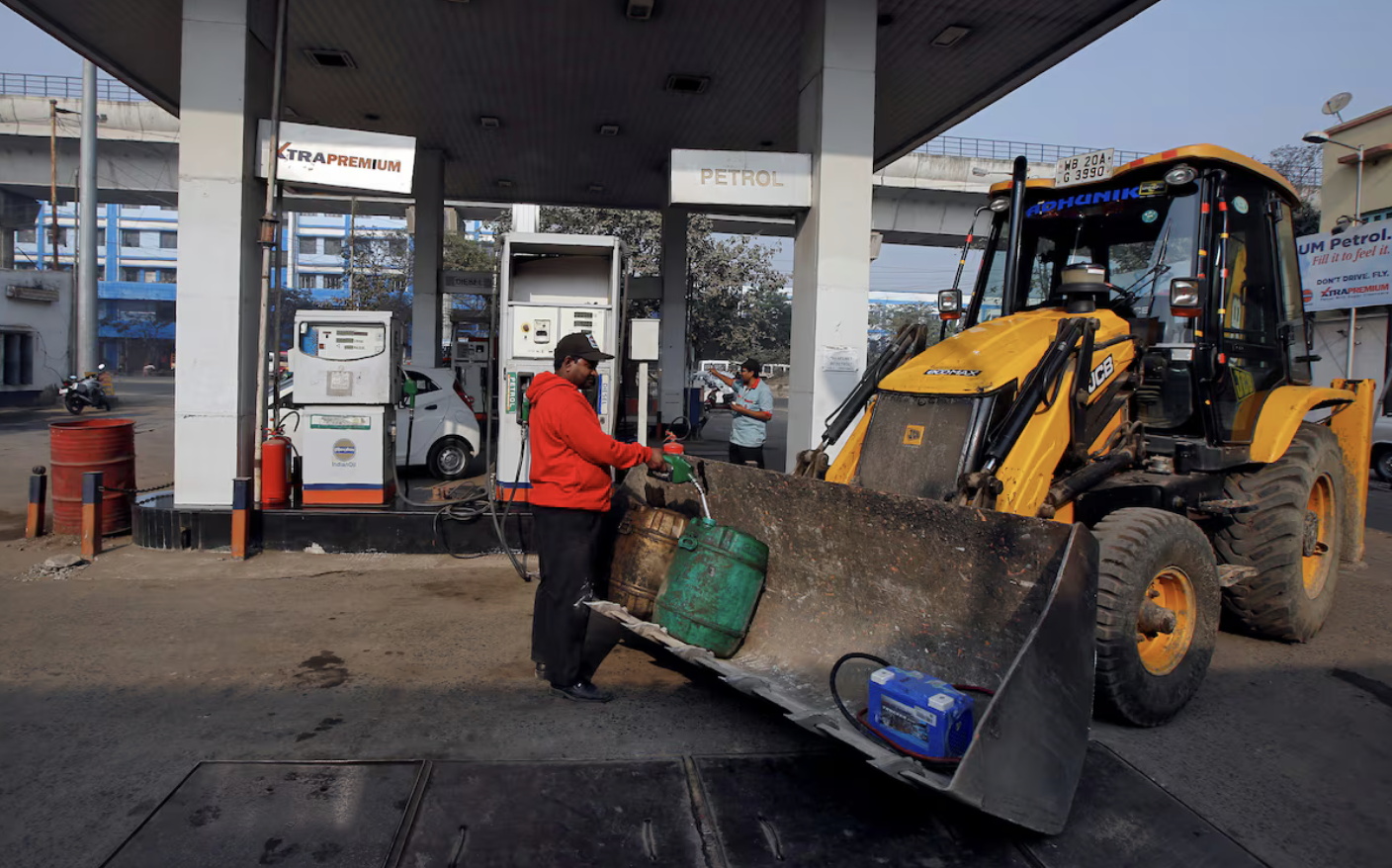
This March marked a surge of India’s diesel exports to Southeast Asia and reached the highest in more than seven years.
The traders appear to have pivoted supply to cover short positions and refiners cashed in on higher profits in Asia caused by the U.S.-Israeli war with Iran as per the shipping data.
Indian Diesel Exports Hitting 7-Year High
In addition to this, the recent surge in exports could also boost spot sale margins for Indian refiners who have purchased large volumes of prompt Russian crude to replace Middle East supply disrupted by the war.
The data from analytics firm Kpler and three trade sources shows that about 1 million metric tons (7.45 million barrels) of diesel have been shipped on this trade route, with almost half of the volumes bound for Singapore.
Out of this, about 90% of these volumes were shipped by Reliance Industries, as per the Kpler data which is the operator of the world’s largest refining complex.
After the rise of the Middle East conflict which disrupted crude supplies to Asia, the traders tapped India’s diesel supply for Southeast Asia and Australia.
More Profits – Being A Swing Supplier
This move is leading refineries to cut output and countries including China to ban exports of refined products.
According to the analysts from consultancy FGE NexantECA, “Asian buyers that usually rely on Chinese and northeast Asia must seek alternative supply, with India’s Reliance being one of the main candidates in the region.”
When it comes to India, the country is known as a swing supplier in global oil markets as it can sell its refined products either to Europe or Asia, whichever is more profitable.
Moving ahead, the traders said that these shipments will help to ease supply tightness going into April.
A few analysts expect the trend to last in the near term despite the Indian government reinstating export taxes for diesel.
The arbitrage calculations suggested that the trade flow can continue into August at least said James Noel-Beswick, Sparta Commodities’ analyst.
Further adding, “India appears firmly committed to keeping its refineries at capacity, and Washington’s rather permissive stance on both Russian and Iranian purchases has given it the means to do so.”
In the meantime, the U.S. has issued temporary waivers for the sale of Russian and Iranian oil cargoes at sea to ease global prices.
Now coming to the front month April east-west price spreads, the difference between Singapore paper swaps on a free on board basis and ICE gasoil futures. This has narrowed to an average discount of $20 a ton in the week of March 27, LSEG pricing data showed, with spreads trading at premiums for some sessions.
Usually, traders deem a discount of less than $40 a ton as it is more favourable for them to pivot cargoes to east of Suez markets instead of west.