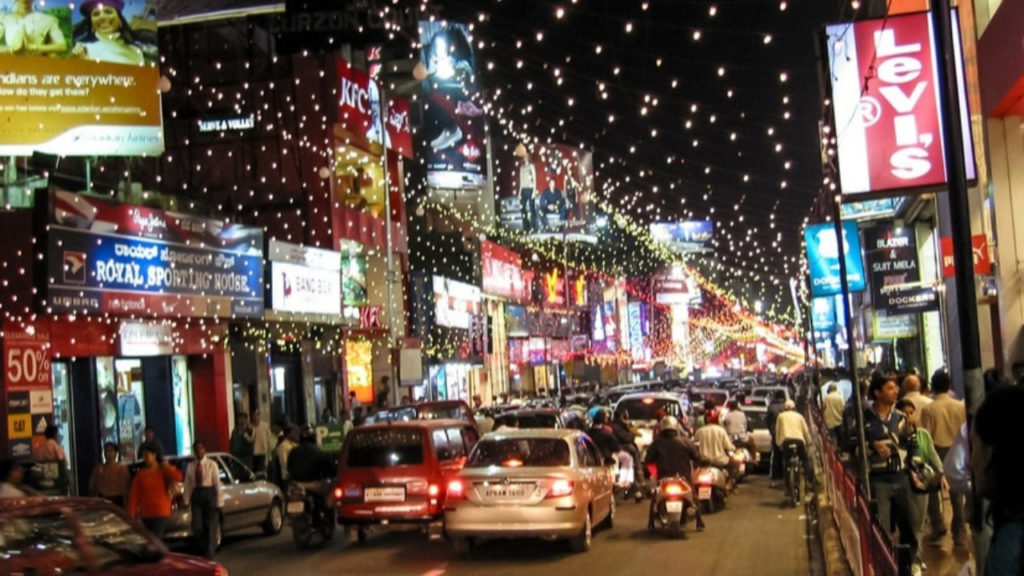
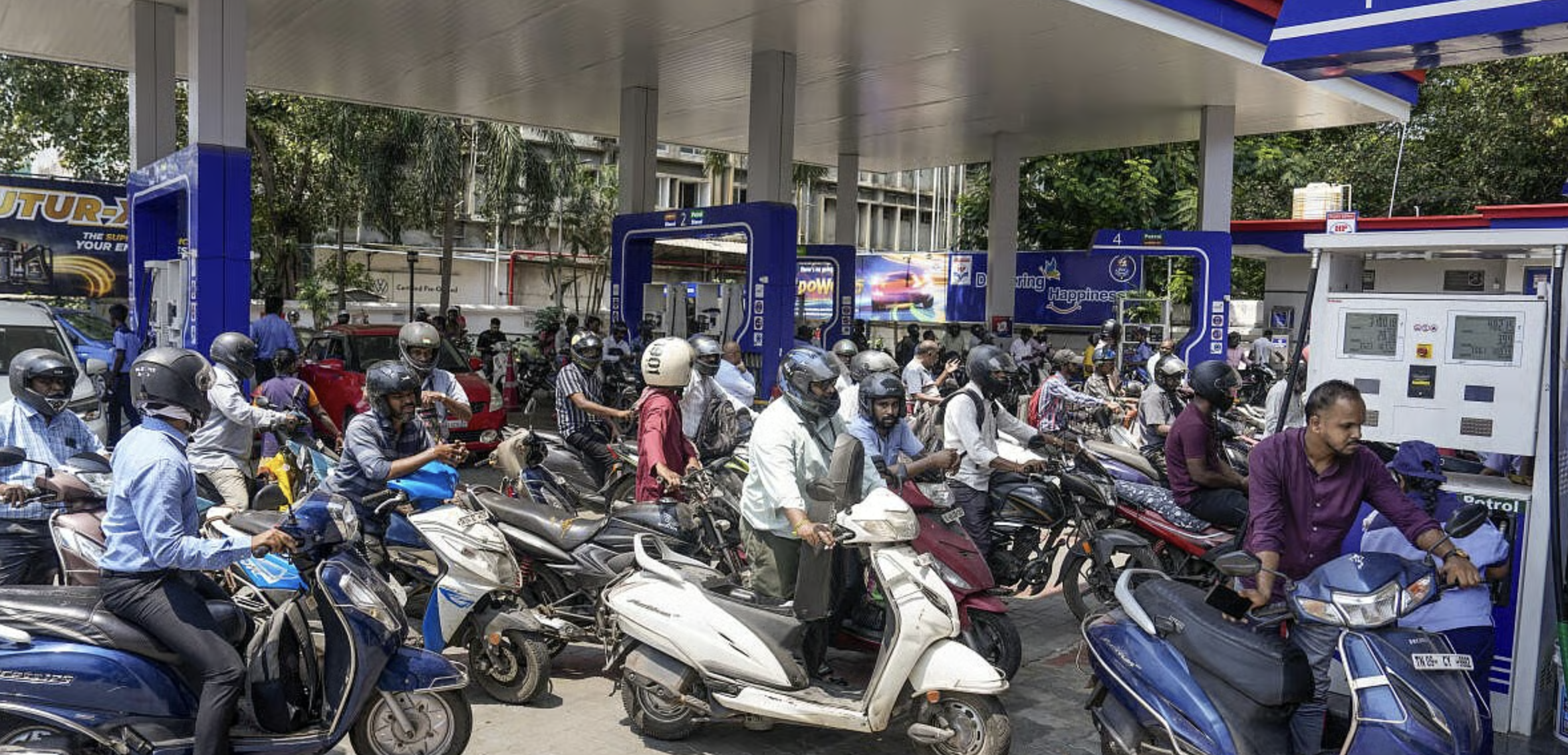
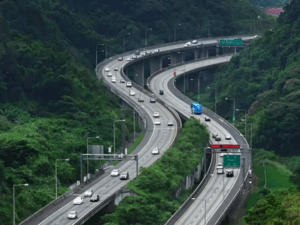
To tackle chronic traffic congestion, the Delhi PWD has proposed a 47-km Integrated Transit Corridor. This ambitious plan will see the construction of eight flyovers or underpasses at major bottlenecks such as ITO, Paharganj, IGI Airport, and Najafgarh-Phirni Road.

Focus on Key Intersections
PWD has identified eight critical stretches for development:
- Deshbandhu Gupta Road (Paharganj)
- ITO intersection
- NSG junction near IGI Airport Terminal 1
- Shadipur depot
- Nanaksar Gurudwara T-point to Delhi-UP border
- Shivaji Marg
- Sukhi Nahar railway crossing
- Najafgarh-Phirni Road
Each location will undergo feasibility and traffic studies before finalizing construction plans.
Airport and ITO: Top Priorities
The NSG junction near IGI Airport requires a Y-shaped flyover to streamline airport-bound traffic. An additional underpass is also proposed to manage the growing number of commuters due to the airport’s expansion. Meanwhile, the ITO area will be studied extensively to improve traffic from the flyover to Vikas Marg and Deendayal Upadhyay Marg.
Decongesting West and Central Delhi
Deshbandhu Gupta Road and Shivaji Marg will see elevated road surveys, with potential for construction on existing medians. These roads connect high-density areas and suffer from regular bottlenecks.
Najafgarh’s Chronic Congestion
Najafgarh-Phirni Road, plagued by 15 traffic signals, will be re-evaluated to design a flyover or underpass. Traffic volume studies will guide the plan.
Comprehensive Feasibility Study and PPP Model
PWD has invited consultants to conduct a detailed feasibility study. This includes traffic mapping, intersection redesigns, surveys of buildings and trees, and cost-benefit analysis. The Rs 14.6 crore study will form the foundation of the project, which may be executed under a Public-Private Partnership (PPP) model.
Conclusion
Delhi’s Integrated Transit Corridor Plan represents a forward-looking effort to revamp the city’s traffic flow and urban mobility. If executed well, it could significantly improve commute times and reduce vehicular congestion across multiple high-traffic areas.