India’s ambitious Mumbai-Ahmedabad bullet train project will use Japan’s upcoming E10 Shinkansen trains, making it the first foreign deployment of the next-gen model. The E10 series, set to debut in Japan in 2030, will likely begin service in India around the same time, replacing the initially proposed E5 model, which is already in use on Japan’s high-speed rail.

Project Timeline and Construction Update
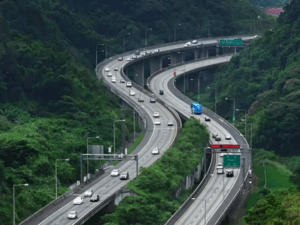
Spanning 508 kilometers (352 km in Gujarat and 156 km in Maharashtra), the corridor is being built using Japan’s renowned Shinkansen technology. As of now, 310 kilometers of viaduct have been completed. The first test run of the prototype train is scheduled for 2026, with commercial operations expected in 2027.
Beyond Japan: Europe and India Join the High-Speed Race
While Japan remains a key partner, Indian Railways is widening its scope. A major signalling and telecom contract has been awarded to a European consortium in collaboration with Indian firms, signaling a shift toward technological diversification.
Additionally, domestic manufacturing efforts are underway. The Integral Coach Factory (ICF), in partnership with BEML, has been tasked to develop indigenous bullet trains capable of reaching speeds of 280 kmph. This marks a crucial step in self-reliance and reducing future import dependencies.
Testing and Transition from E5 to E10
Before the E10 series is ready, E5 model trains will be tested on Indian tracks to ensure compatibility and infrastructure readiness. These trials will help Indian engineers and operators prepare for the eventual integration of the E10 model, incorporating any necessary adjustments.
Strategic Importance and Global Collaboration
This project reflects the deepening Indo-Japanese partnership, with Japan not only offering financial and technical support but also deploying its most advanced train technology in India. Simultaneously, India is leveraging global partnerships to establish a robust, modern high-speed rail ecosystem.
The Mumbai-Ahmedabad bullet train isn’t just a transport upgrade—it’s a symbol of India’s leap into the future of mobility.