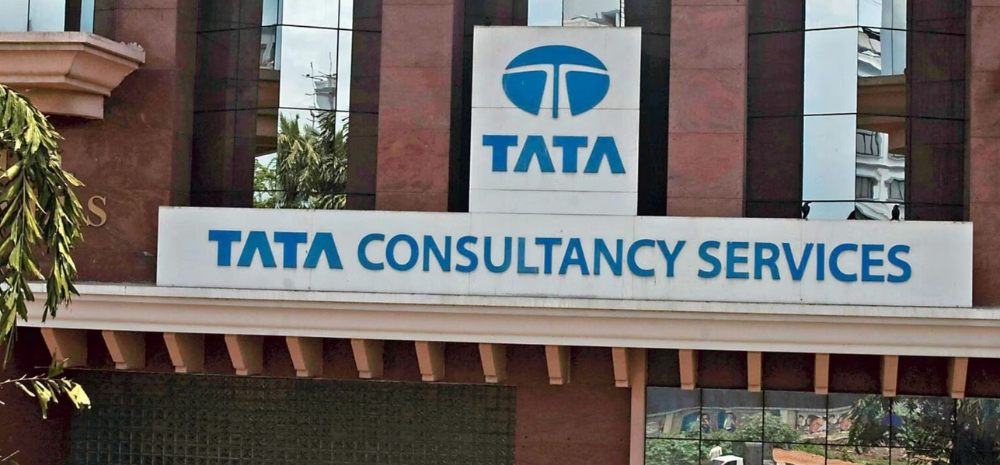
Shares of Indian IT giants plunged sharply recently following the launch of an advanced AI tool suite by U.S. start-up Anthropic, sending ripples through global markets. The announcement triggered widespread investor concern that powerful AI systems could disrupt traditional software service models and reduce reliance on large human workforces — especially in sectors long driven by labour-intensive IT services.

What Caused the Market Reaction?
Anthropic, a San Francisco-based artificial intelligence company known for its Claude family of large language models, unveiled a suite of workplace automation plugins under its Claude Cowork platform. These tools are designed to automate complex tasks across legal work, sales, data analysis, marketing, and other professional functions — areas traditionally served by large software teams and outsourcing providers.
The launch raised investor fears that such AI systems could start replacing work that human teams currently perform — prompting concerns over future revenues for companies whose business models depend on selling software, services, and outsourced labour. Analysts described the situation as a potential “SaaSpocalypse,” highlighting a fear that AI could make some traditional software roles obsolete rather than just complementary.
Indian IT Stocks Bear the Brunt
The impact quickly showed up on Dalal Street. India’s NIFTY IT index experienced one of its worst days since early 2020, dropping over 6 per cent as technology and outsourcing stocks tumbled. Shares of major companies like Infosys and TCS dropped more than 7 per cent, while other firms such as Wipro, HCLTech and Tech Mahindra also saw notable declines. The combined market value wiped out billions of rupees as sentiment soured.
What Investors Are Worried About
Investors are concerned that tools capable of handling routine legal reviews, contract analysis, compliance tracking, and data workflows could reduce demand for traditional IT services that generate revenue through human-driven delivery. India’s IT sector has long relied on outsourcing and staffing models where large teams of engineers provide software development, maintenance, testing and business process support for global clients — a model that could be challenged if AI begins to automate those tasks at scale.
Beyond India, the sell-off was reflected in tech stocks worldwide, with software and service companies also sliding on Wall Street and other exchanges amid fears of widespread AI-driven disruption.
Balancing AI Opportunity With Disruption Risk
The episode underscores a broader tension in the technology sector: while AI offers enormous productivity and innovation potential, its rapid advancement also raises questions about economic displacement and the future of work. Companies and policymakers will likely need to balance AI adoption with strategies for workforce transformation and upskilling if traditional service providers are to remain competitive in an increasingly AI-driven market.
In the meantime, investors will be watching closely to see whether this reaction is a short-term panic or the start of a structural reassessment of how technological change affects long-standing business models.