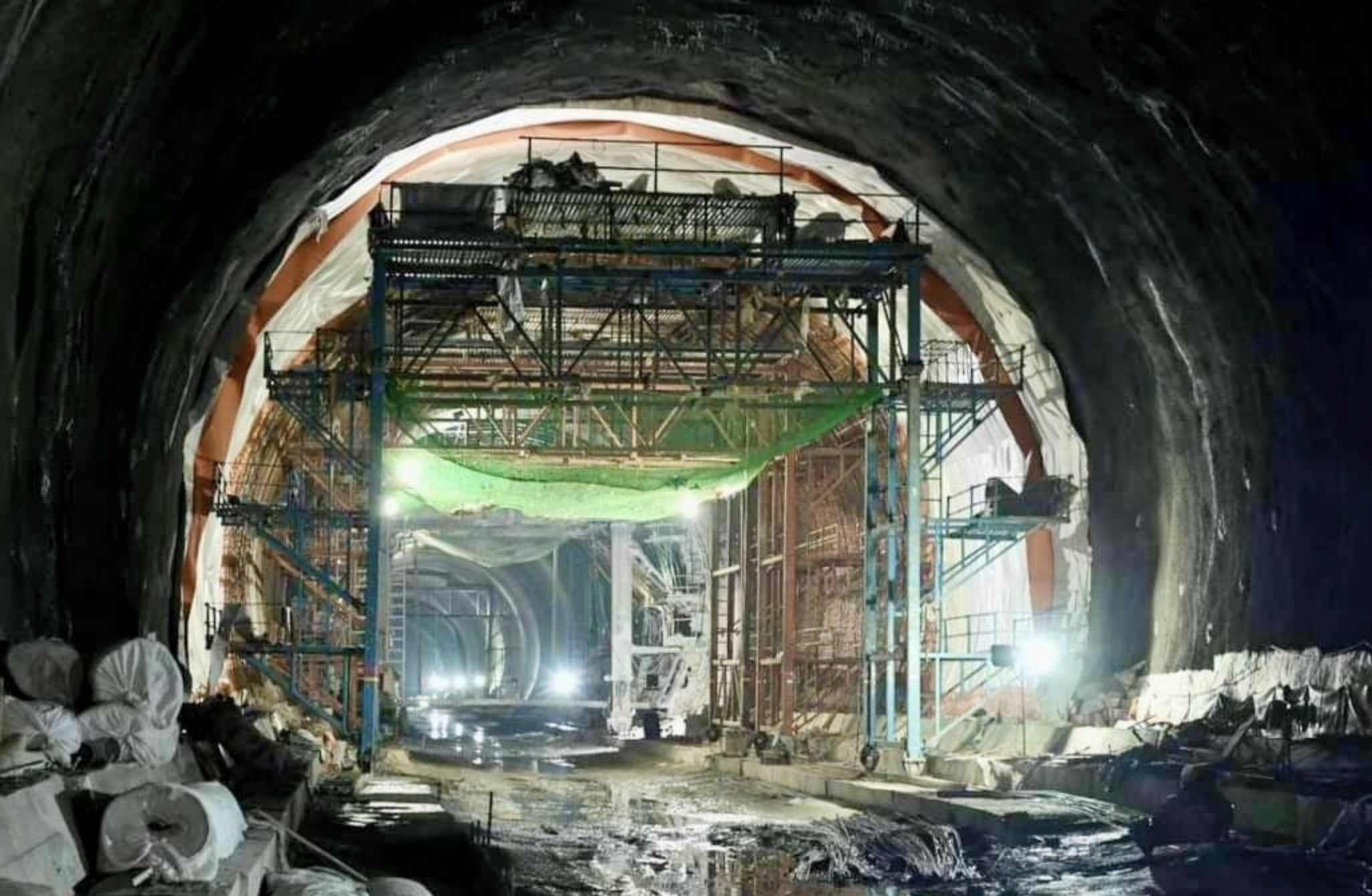
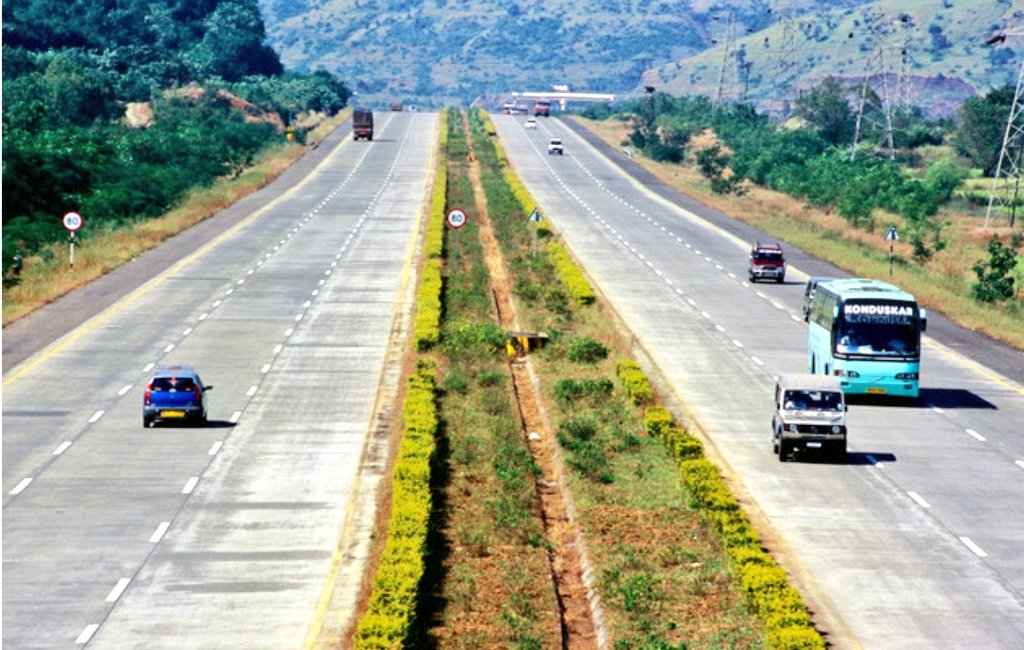
As steel ribbons stretch across mountains and plains, China’s railways are weaving the nation closer together.
China’s High-Speed Rail Push: Cementing Global Leadership by 2030
China is planning a major expansion of its railway system, with a strong focus on high-speed rail, as part of its broader drive to enhance connectivity and economic growth, South China Morning Post reported. Beijing aims to grow its high-speed rail network by 19 per cent over the next five years, cementing its global leadership in this sector.
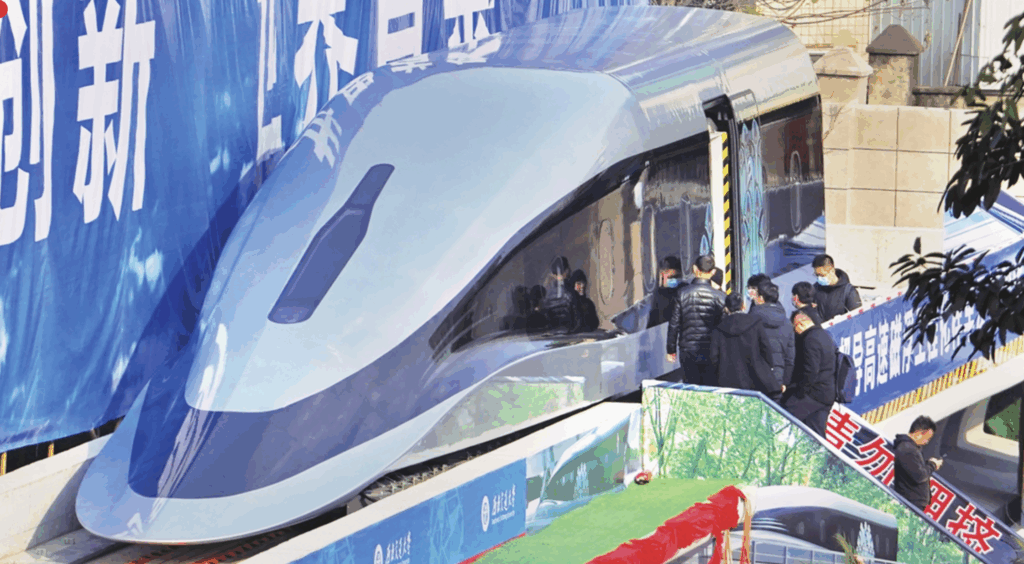
On Sunday, China State Railway Group, the national rail operator, unveiled the blueprint. By 2030, the operational rail network is expected to reach about 180,000 km, with high-speed rail lines making up around 60,000 km—nearly one-third of the total. The plan forms a key part of China’s 2026-2030 five-year plan, which prioritizes infrastructure development.
The railway system has already seen rapid growth. Between 2021 and 2025, high-speed rail mileage rose 33 per cent, from 37,900 km to 50,400 km, while the overall network expanded 12.8 per cent, from 146,300 km to 165,000 km. According to the International Union of Railways (UIC), China now accounts for over 70 per cent of the world’s total high-speed rail mileage.
Beyond network expansion, China State Railway Group will accelerate technological innovation, completing operational testing and design for train sets capable of 400 kmph speeds, alongside trial validation. Despite concerns over debt and profitability, the company said its debt-to-asset ratio fell by one percentage point to 62.5 per cent by the end of 2025. Transport revenue reached 1.02 trillion yuan in 2025, up 3.1 per cent from 2024, marking the first time revenue crossed the 1 trillion-yuan mark.
China’s Rails Go Global: Expanding Trade Links from Asia to Europe
China’s international rail ambitions are also growing. Freight services linking China with Central Asia and Europe completed roughly 34,000 trips last year, moving over 3 million containers. Major overseas projects planned for 2026 include the China-Kyrgyzstan-Uzbekistan Railway under the Belt and Road Initiative and Hungary’s section of the Budapest-Belgrade railway, following last year’s Serbian segment opening.
As rails stretch toward the horizon, China is not just connecting cities—it is linking economies, innovation, and the future.
Summary
China plans a major railway expansion by 2030, with high-speed lines reaching 60,000 km, part of its 2026-2030 five-year plan. The network has grown rapidly, now comprising over 70% of global high-speed rail. Technological innovation, rising revenue, and international projects like the Belt and Road railways reflect China’s ambition to boost connectivity, economic growth, and global influence.