The global talent landscape is undergoing a dramatic shift. While US President Donald Trump’s new $100,000 visa fee for H-1B petitions has created panic among international professionals, China has announced a new K visa category to attract young science and technology talent, effective October 1, 2025.
US Raises Bar With $100,000 H-1B Fee
The Trump administration has imposed a six-figure fee on all new H-1B petitions, including those for the FY2026 lottery. Framed as a step to “protect American jobs and security,” the move has rattled international students and workers, especially Indians, who form 71% of approved H-1B applicants. A new “Trump Gold Card” residency visa priced at $1 million was also unveiled.
Beijing’s Strategic Talent Push
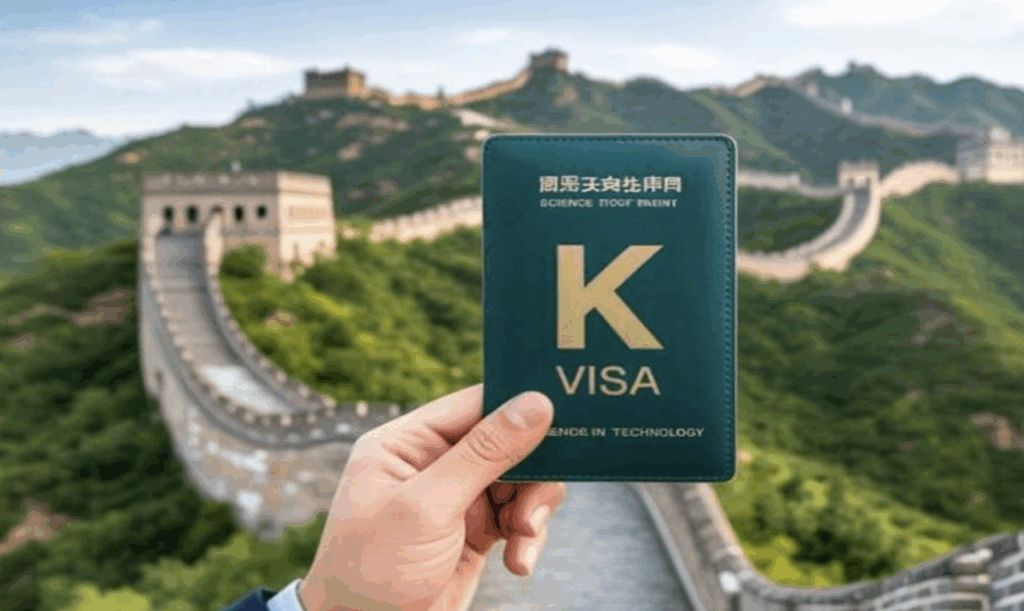
In contrast, China is opening doors with the K visa, targeting young professionals in science, technology, education, and culture. Unlike other visas, K visa applicants do not need a domestic employer’s invitation, making the process smoother. Holders will enjoy longer stays, multiple entries, and access to entrepreneurial activities, aligning with Beijing’s global talent development strategy.
Rising Global Competition for Talent
China’s move comes as part of its broader visa liberalization. By July 2025, the country had 38 million international trips, with visa-free entries surging nearly 54% year-on-year. Beijing has already signed 75 visa-free or mutual exemption agreements, fueling a rise in inbound mobility. The K visa adds another layer, directly targeting the demographic most affected by US restrictions.
What This Means for Global Talent
The contrasting policies highlight a new global divide: the US tightening access to skilled migrants while China accelerates talent inflows. For many young professionals, particularly from India and Asia, the soaring cost of an H-1B may redirect career ambitions toward China’s expanding tech and innovation ecosystem. The battle for global talent is no longer just economic—it is geopolitical.