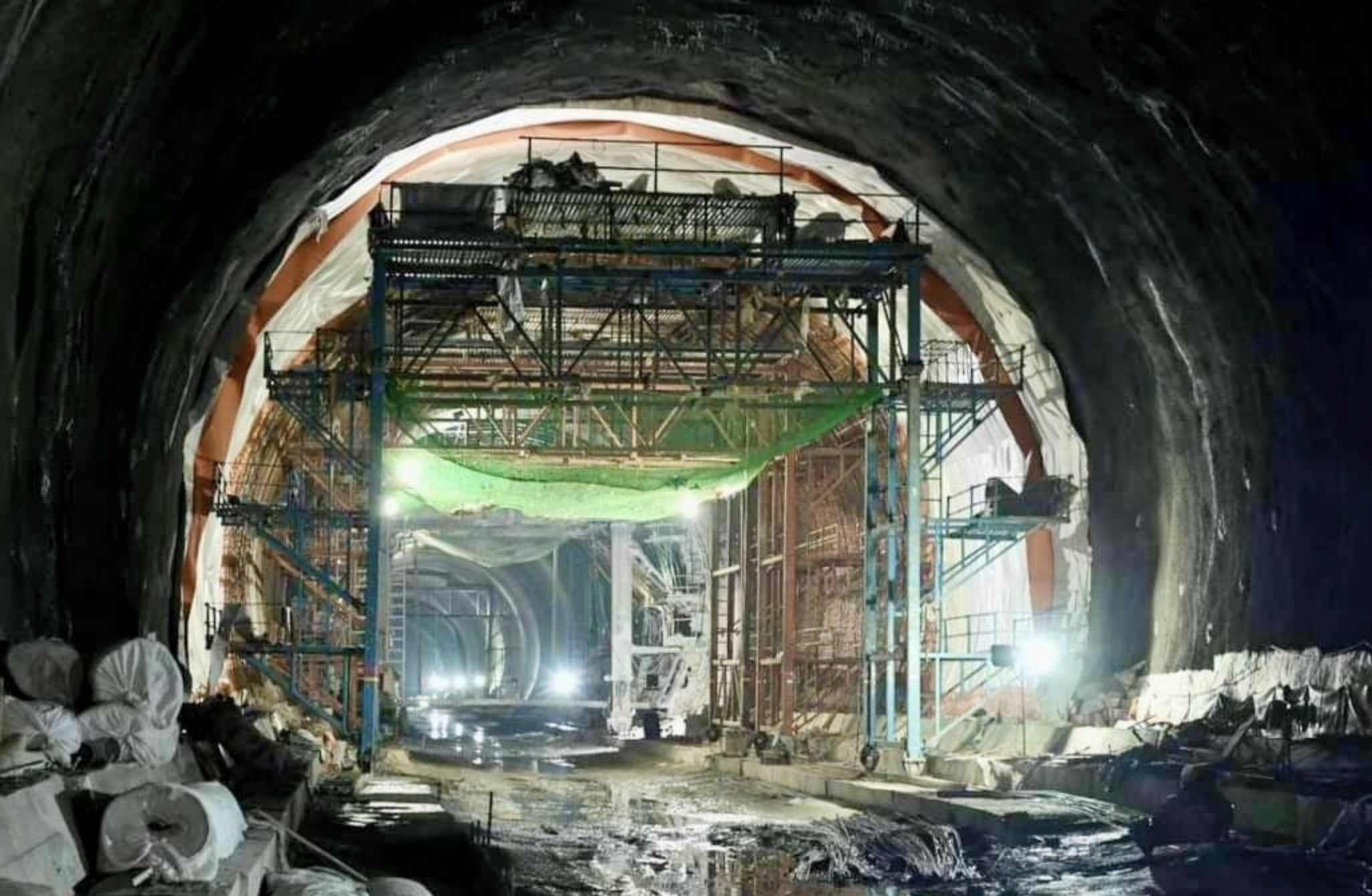
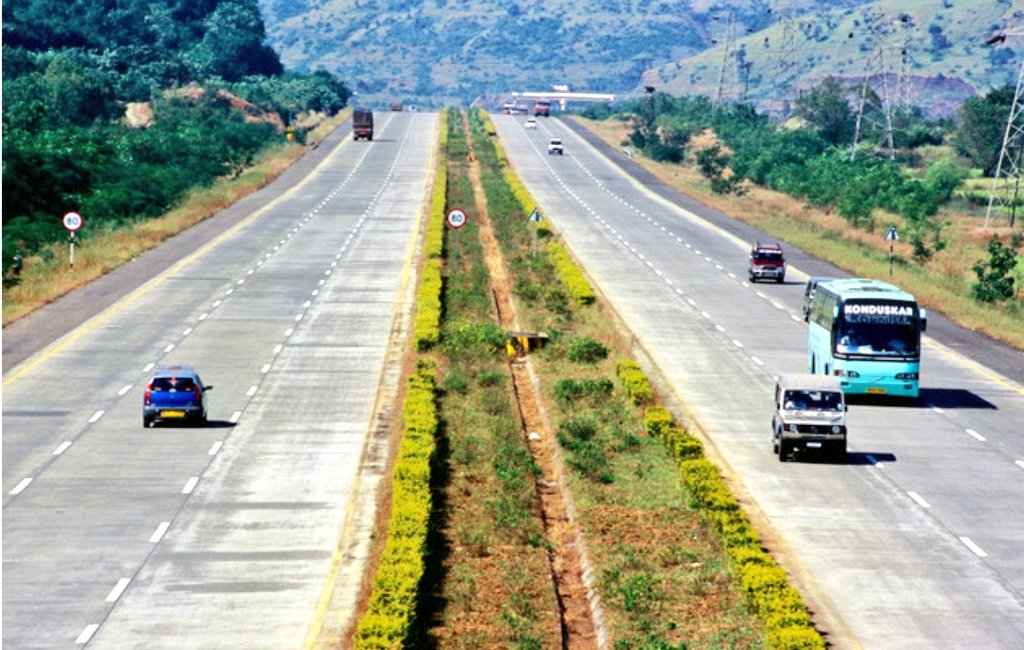
Union Minister Ashwini Vaishnaw has reiterated India’s strong push for high-speed rail as outlined in the Union Budget 2026-27, saying that passengers could travel from **Chennai to Bengaluru in approximately 1 hour 13 minutes once the proposed corridor is operational. This would represent a dramatic improvement over the current travel times by road or conventional trains, underpinning India’s ambition to modernise major inter-city connectivity.
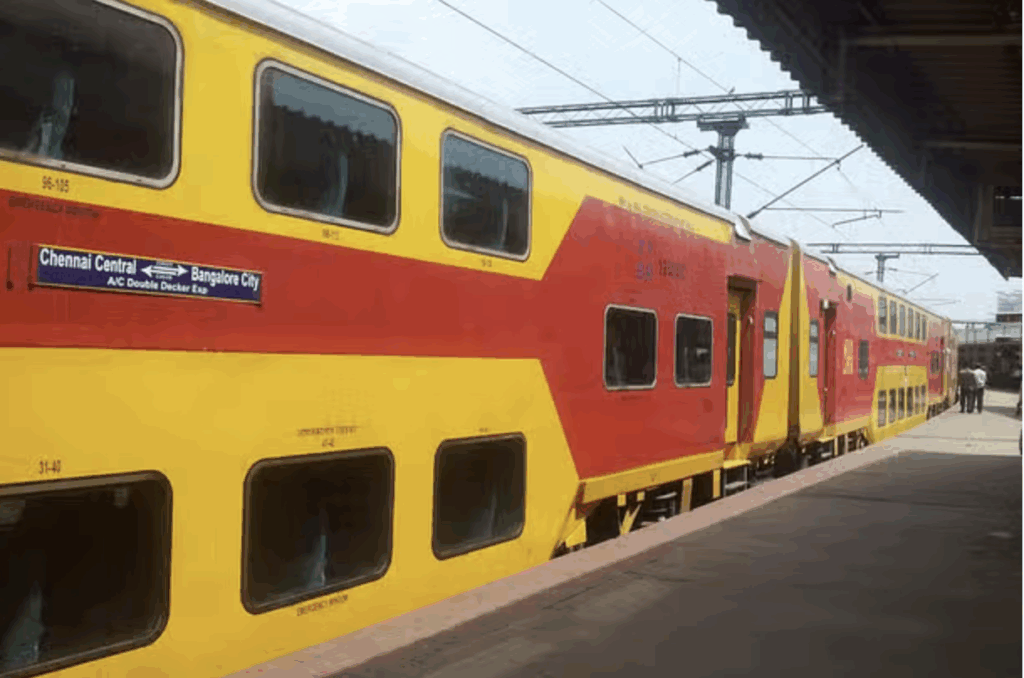
The announcement reflects the government’s focus on creating world-class rail infrastructure capable of facilitating fast, efficient, and sustainable mobility between major economic hubs in the south of the country. As part of broader high-speed rail planning announced in Budget 2026, this corridor would be one of several that dramatically reduce travel times across key cities.
Budget 2026 Accelerates High-Speed Rail Corridors
In the 2026-27 budget, the government announced plans to develop seven high-speed rail corridors connecting major metros and business cities, positioning them as “growth connectors.” These proposed lines include routes such as Mumbai–Pune, Pune–Hyderabad, Hyderabad–Bengaluru, Chennai–Bengaluru, Delhi–Varanasi, and Varanasi–Siliguri — each intended to bridge economic centres with drastically reduced travel times compared to current options.
The Chennai–Bengaluru high-speed link, if realised, forecasts speeds that allow trains to travel roughly 350 km between the two cities in just over an hour — a level of service comparable to world-class bullet trains in Europe or East Asia. Such ultra-fast links would make daily or weekend travel between the two major southern hubs truly feasible, supporting tourism, business travel, and regional integration.
Economic and Developmental Impact
Faster rail connections are expected to bolster economic activity across the region by linking major industry zones, technology corridors, educational centres, and cultural destinations. The Bengaluru–Chennai corridor is home to key sectors like IT, manufacturing and innovation clusters. Reducing travel times could support easier labour mobility, encourage business networking, and decrease reliance on flights or highways — easing congestion and emissions.
Additionally, high-speed rail development typically spurs ancillary growth around stations and in adjacent cities, including commercial development, housing demand, and logistics expansion — driving further economic multiplier effects.
Challenges and Next Steps
While the vision of cutting travel between Chennai and Bengaluru to around 1 hour 13 minutes is ambitious, actual implementation will require detailed planning, massive investment, and technological collaboration. Feasibility studies, land acquisition, funding mechanisms, and technical design — including track, signaling and rolling stock standards — will shape the project’s timeline.
Moreover, India will likely draw on global expertise and financing models, similar to its earlier Mumbai–Ahmedabad high-speed rail project, to ensure safety, reliability and cost-efficiency as it brings high-speed rail to new corridors.
Looking Ahead
If executed successfully, a high-speed corridor between Chennai and Bengaluru could redefine travel in southern India, setting a new benchmark for connectivity and economic synergy. It embodies India’s broader infrastructure goals — linking talent pools, supporting regional prosperity, and transitioning toward faster, cleaner rail travel for the future.