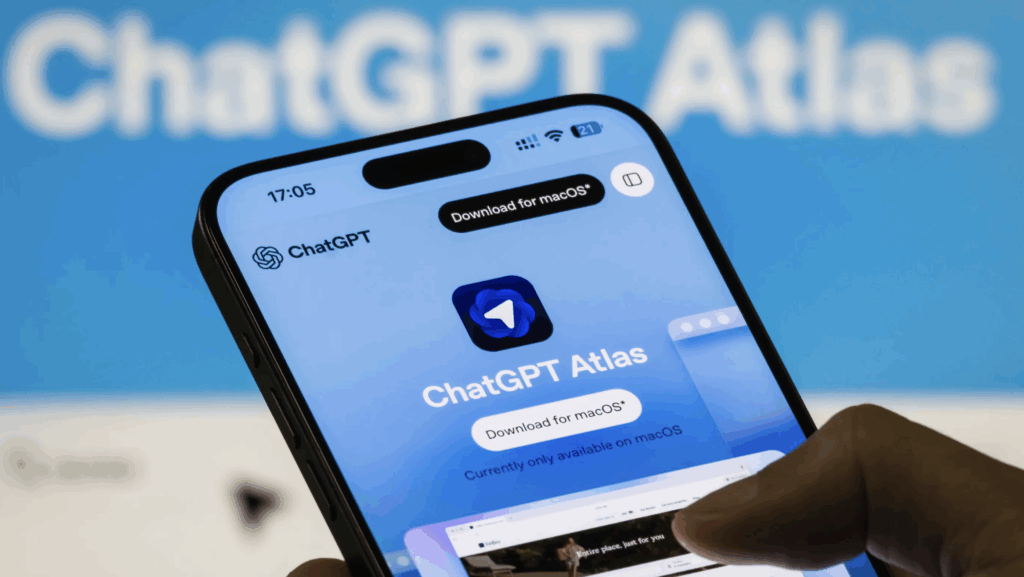
OpenAI has officially unveiled ChatGPT Atlas, an AI-powered browser designed to make internet navigation more conversational and intelligent. Unlike traditional browsers, Atlas lets users search, plan trips, book services, and interact with websites through natural language prompts.
One of its standout features, “browser memories,” allows the AI to remember user preferences and past interactions, enabling a more personalized and context-aware experience. The browser also includes an experimental agent mode, allowing users to delegate tasks directly to the AI — from form filling to itinerary building.
The Emerging Threat of Prompt Injection
While the innovation is groundbreaking, cybersecurity researchers have sounded alarms about prompt injection attacks — a unique form of hacking targeting AI systems.
These attacks trick the AI into executing hidden or malicious instructions embedded within web content. The danger lies in how AI interprets natural language: it might follow harmful prompts disguised as normal website text.
As UCL’s George Chalhoub explains, attackers can embed commands in invisible text or hidden code, turning a helpful AI assistant into a potential data-leak vector, capable of exposing passwords, emails, or even social media content.
OpenAI’s Safeguards and Future Outlook
OpenAI’s Chief Information Security Officer, Dane Stuckey, stated that multiple defensive layers — including red-teaming, enhanced model training, and a “Watch Mode” for real-time oversight — have been added to Atlas.
Features like “logged-out mode” prevent unauthorized actions when sensitive data is not needed. Yet, Stuckey admitted that prompt injection remains an unsolved cybersecurity frontier, with hackers continuously evolving their tactics.
Balancing Innovation and Safety
ChatGPT Atlas represents a major leap in AI-driven productivity, offering a future where browsing feels assistive and intelligent. But as experts warn, user vigilance and responsible AI design are crucial. The success of AI browsers will depend not only on their smart capabilities but on how effectively they can guard against the threats they inevitably attract.