The Central Government has introduced an important change to the Passports Rules, 1980, updating the documents accepted as proof of date of birth when applying for a passport.
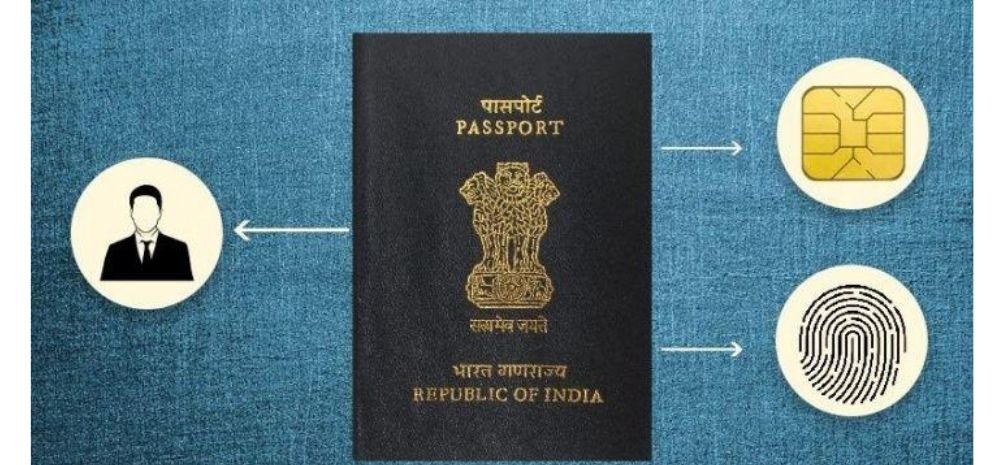
Under the Passports (Amendment) Rules, 2025, the government has standardized the process of verifying an applicant’s birth details. The move is aimed at improving documentation accuracy and strengthening identity verification during passport issuance.
The new rule was officially notified in the Gazette and is part of broader reforms in passport services.
Birth Certificate Mandatory for Some Applicants
One of the biggest changes affects applicants born on or after October 1, 2023.
For this category, the birth certificate will now be the only valid document accepted as proof of date of birth while applying for a passport.
The birth certificate must be issued by:
- The Registrar of Births and Deaths
- A Municipal Corporation
- Any authority authorised under the Registration of Births and Deaths Act, 1969
This step is expected to promote the use of officially registered birth records and reduce discrepancies in identity verification.
Relaxation Continues for Older Applicants
For individuals born before October 1, 2023, the rules remain more flexible.
They can still submit any one of several documents as proof of date of birth, including:
- Birth certificate
- School leaving or matriculation certificate
- PAN card
- Driving licence
- Voter ID card
- Government service records
- Insurance policy bond issued by LIC or other public insurers
This ensures that people who may not have birth certificates registered at the time of birth do not face difficulties in obtaining a passport.
Why the Government Introduced the Rule
Officials say the change is designed to standardize identity documentation and reduce inconsistencies in passport verification.
Many passport applications earlier relied on different types of documents, which sometimes led to disputes over date-of-birth verification. By making birth certificates mandatory for newer applicants, authorities hope to streamline the process and improve the reliability of official records.
What Applicants Should Know
The new rules mainly affect future applicants, especially newborns and children whose passports will be issued in the coming years.
For most existing applicants and adults, the passport application process will remain largely unchanged. However, the update highlights the growing importance of officially registered birth certificates in government documentation systems.
As passport services continue to evolve, such reforms are expected to improve transparency, efficiency, and security in India’s travel documentation framework.