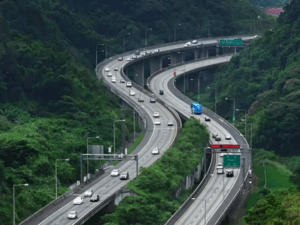
Since the time of its proposal, the ambitious tunnel road project in India’s IT capital has become one of the most controversial projects in Bengaluru.
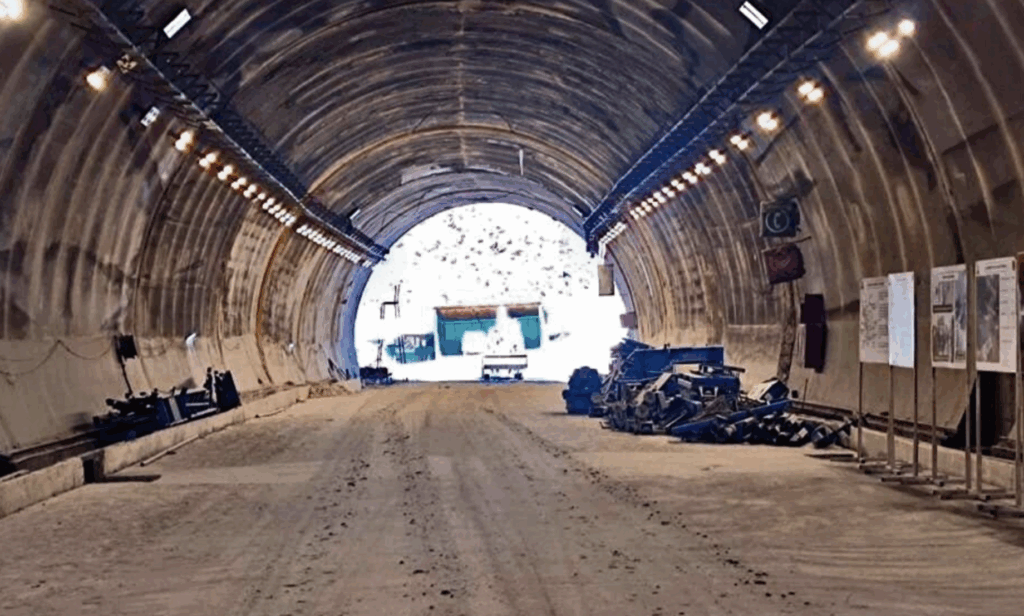
Why Would This Happen?
This is going to be 16.74 km long and more than Rs 17,700 crore project which will criss-cross Bengaluru’s most congested traffic corridors between Hebbal and Silk Board on the opposite ends of the city.
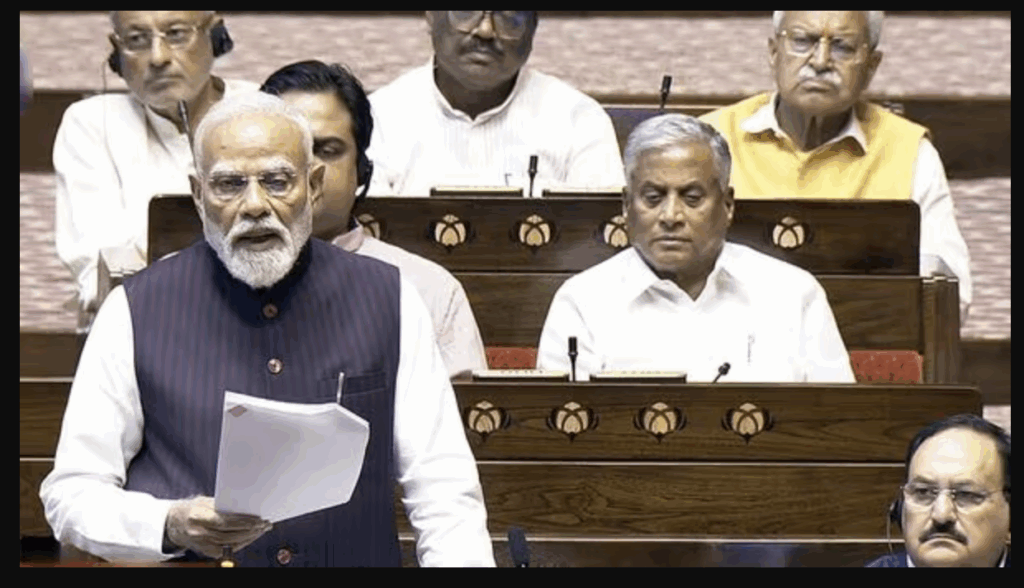
The project was pressed by the Karnataka Deputy Chief Minister D.K. Shivakumar, further claiming that it will reduce congestion and enable smooth traffic flow.
Although it continues to face resistance from the Opposition and civil society over the Bengaluru city corporation’s perceived inability, among other factors.
Bengaluru is home to nearly 1.3 crore vehicle owners and since 2019, the city has regularly featured among the most congested cities in the world.
It took an average of 34.1 minutes to travel 10 km in the city in 2024 which is nearly 117 hours lost per year on roads during rush hours.
Shivakumar has the city development portfolio, who has been trying to mobilise support for the tunnel road project.
He has been meeting walkers in Cubbon Park in the morning and held consultations with stakeholders to validate his plans and hit out at detractors at any hint that they will oppose the project.
Under the ‘North–South Underground Vehicular Tunnel Project’, it is a proposed twin-tube underground tunnel which will construct three lanes in each tube, connecting Hebbal and Silk Board Junction, two localities that contribute most to Bengaluru’s infamous traffic snarls.
They have split this project into two packages where the Hebbal to Seshadri Road tunnel is estimated to cost Rs 8,770 crore, and the Seshadri Road to Silk Board tunnel Rs 8,928 crore.
As per this initiative, several entry and exit ramps are proposed along the 17km tunnel.
How Does This Help?
After this implementation, it will halve the 30 minutes or so taken to travel from Hebbal, one of Bengaluru’s biggest chokepoints, to Vidhana Soudha in the city’s center as mentioned in the detailed project report (DPR).
This project is planned to be completed within 50 months.
This project aims to ‘dramatically’ reduce traffic congestion in the city’s core, enhance urban mobility and connectivity, preserve surface-level urban space, and promote sustainable growth by reducing pollution as per its mission statement.
When it comes to Bengaluru’s road network, it spans nearly 14,000 km including major arterial roads, sub-arterial roads, and residential streets.
In fact, Bengaluru’s major arterial roads alone account for just 20 percent of all roads facing most of the high-density traffic.
The road congestion problem got exacerbated due to the delays in completing the Peripheral Ring Road and Satellite Town Ring Road forcing most highway traffic to go through the city.