The Bangalore Metro Rail Corporation Limited (BMRCL) has paused discussions on a proposed fare hike for Namma Metro in 2026, responding to strong public concern and feedback. The decision puts a temporary halt to planned increases in travel costs as authorities reconsider pricing policy and stakeholder sentiment in India’s tech capital.
Why The Fare Hike Was Proposed
Earlier proposals from BMRCL suggested raising fares for Namma Metro journeys in 2026 to support operational costs, cover rising expenses, and fund future network expansions. With ridership increasing alongside the city’s rapid growth, officials argued that revised pricing could help make the system more financially sustainable over the long term.
Specific proposed adjustments were expected across different distance slabs, with higher charges for longer commutes. However, details were not formally notified before talks were paused.
Public Concerns And Backlash
The fare proposal drew significant public concern, especially from daily commuters, students and workers who rely on Namma Metro for affordable travel. Many argued that higher costs would disproportionately impact low-income passengers, erode fare affordability, and reduce the attractiveness of public transport. Online petitions and commuter feedback highlighted fears that a fare increase would undermine the metro’s role as a cost-effective alternative to other transit modes.
In response, civic groups and commuter organisations urged BMRCL to reconsider or delay any fare revisions until more comprehensive consultations could be held.
BMRCL’s Response And Decision To Pause
Acknowledging the volume of public feedback, BMRCL announced that it has paused talks on raising fares for 2026 and will undertake further consultation with stakeholders, including commuters, employee unions and city planners.
Officials indicated that future pricing changes, if any, would be guided by data on ridership trends, operational costs and broader transport policy goals around sustainability and equitable access.
The Role Of Public Transport Affordability
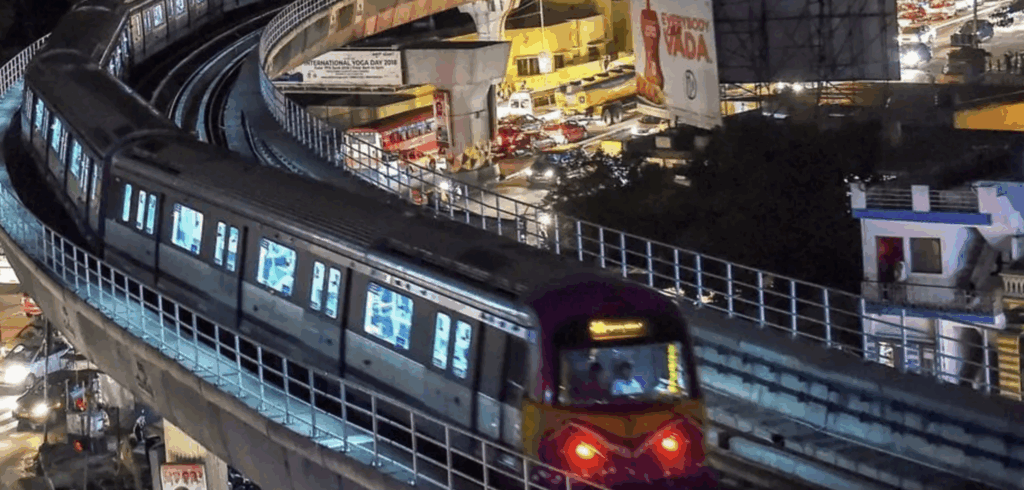
Affordability is central to public transport planning in rapidly growing cities like Bengaluru. Namma Metro — with its network of elevated and underground lines — has been widely used by commuters seeking efficient, cheaper alternatives to road traffic. Any fare hike can have a direct impact on household budgets, particularly for regular riders.
By pausing the fare hike proposal, BMRCL appears to be prioritising public sentiment and social equity while taking time to refine its strategy.
What Happens Next
BMRCL plans to engage in wider consultations, potentially including:
- Public surveys or hearings
- Commuter feedback platforms
- Discussions with urban transport bodies
- Benchmarking against other Indian metro systems
Only after gathering comprehensive input might revised fare proposals be revisited with clearer justification and passenger support.
Broader Implications For Metro Policies
This episode underscores the importance of transparency and public engagement in decisions that affect daily commuters. Bangalore’s experience may serve as a reference point for other Indian cities considering metro fare changes amid rising costs and expanding networks.