The National Highways Authority of India (NHAI) is planning a 200-kilometre expressway between Ayodhya and Varanasi, two of the country’s most significant pilgrimage centres. Once completed, travel time between the cities will drop from the current five to six hours to just two. The expressway will also connect seamlessly with the Purvanchal Expressway, giving devotees from Delhi and western Uttar Pradesh quicker access to both shrines.
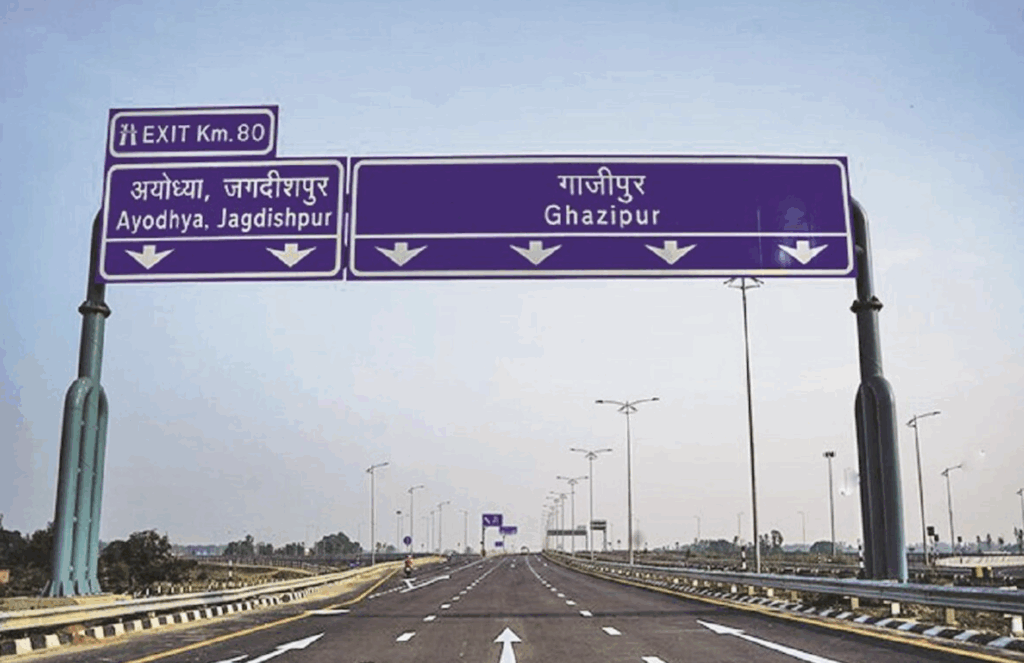
Modern, Safe, and Controlled Design
Officials confirmed that the project is in its early stages, with tenders being sought and a detailed project report (DPR) under preparation. The expressway will be fully access-controlled, ensuring no unauthorized entry points. With multiple lanes, modern safety measures, and a high-quality road surface, it aims to provide a smooth and secure driving experience.
Boost for Religious Tourism and Local Districts
The expressway is expected to become a lifeline for religious tourism. Pilgrims visiting the Ram Mandir in Ayodhya and Kashi Vishwanath Temple in Varanasi will find the journey shorter and more convenient. Districts along the route—such as Ambedkarnagar, Sultanpur, and Jaunpur—will gain improved connectivity, opening doors for greater economic activity.
Real Estate and Infrastructure Growth
Real estate experts predict a surge in land values along the corridor. Areas near exit and entry points may attract developers interested in setting up hotels, retail outlets, and residential projects. Pilgrim traffic often drives hospitality and service growth, creating both opportunities and challenges for local communities, particularly in terms of fair land acquisition and sustainable development.
Challenges to Address
While the project promises transformative benefits, challenges remain. Land acquisition disputes, environmental clearances, and ensuring robust integration with the Purvanchal Expressway are critical hurdles. Authorities will need to balance rapid development with equitable resettlement and environmental safeguards.
A Road to Opportunity
If executed with care, the Ayodhya–Varanasi expressway could redefine religious tourism in Uttar Pradesh. By merging infrastructure with cultural significance, it has the potential to boost spiritual journeys while fuelling local growth across eastern districts.