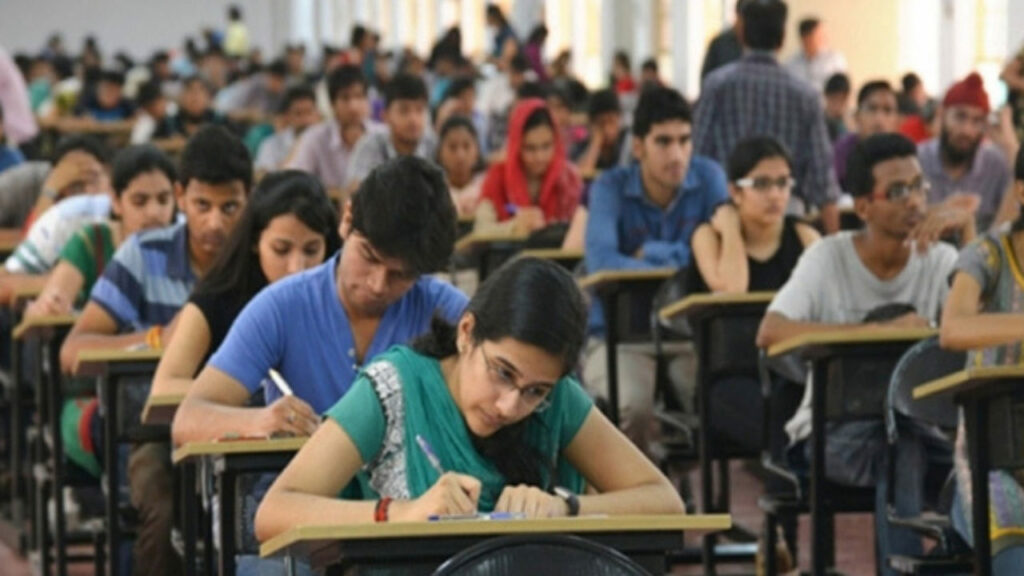
In a major policy shift, Australia will raise its foreign student visa cap to 295,000 in 2026, marking a 9% increase over the previous 270,000 cap for 2025. The decision follows last year’s tightening measures aimed at curbing record migration levels that had contributed to surging housing prices and strained resources.

International Education Assistant Minister Julian Hill described the earlier growth in numbers as “out of control,” adding that recent reforms had successfully brought student migration to more manageable levels.
Southeast Asia in Focus
The Australian government will prioritise student visa applications from Southeast Asia as part of a broader diplomatic strategy to strengthen ties with its regional neighbours. Minister Hill emphasised the importance of Australia’s “future soft power” and the role international education plays in building long-term relationships with key countries in the region.
Larger public universities will need to recruit more students from Southeast Asia to qualify for expanded visa allocations under the new rules.
Tighter Oversight, Stricter Requirements
In addition to the cap, the government is implementing stricter conditions for educational institutions. Universities must demonstrate that both international and domestic students have access to safe and secure housing, a growing concern amid Australia’s housing shortage.
Further, the visa application fee was more than doubled in 2024, and the government pledged to close loopholes that previously allowed foreign students to repeatedly extend their stay without transitioning to permanent residency or returning home.
Economic Significance and Sector Reaction
Australia is one of the most popular global destinations for international students, with the sector contributing A$51 billion (US$33 billion) to the national economy in 2024, making it the country’s top services export.
Universities Australia welcomed the move, calling the increase “sensible” and aligned with their calls for stable and sustainable growth.
As Australia adjusts its international education strategy, the focus remains clear: balance growth, protect resources, and enhance regional influence.