India’s major IT services firm has rewarded its workforce with an average performance bonus of 85 percent for the third quarter of fiscal year 2025-26, according to internal communication to staff. The payouts are slated to be credited along with February salaries, giving a timely boost to employee compensation.
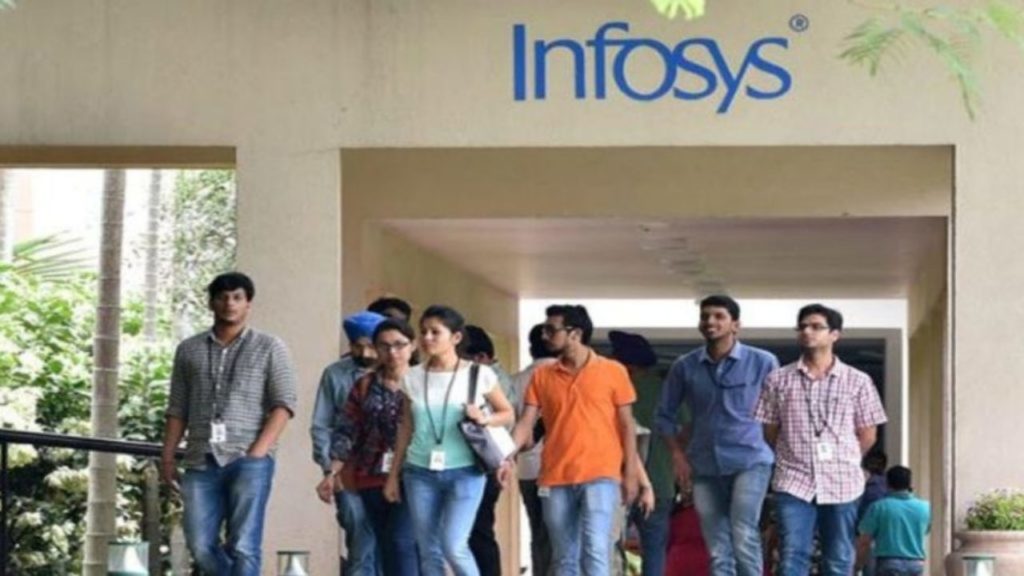
This organization-wide average is one of the strongest in recent quarters and covers employees across various levels, particularly mid- to junior-level staff, whose individual bonus percentages ranged roughly between 75 percent and 100 percent.
What Drives the Higher Payout
The better bonus outcome is linked to robust business performance during the quarter, marked by sustained deal wins and execution strength. With demand for digital transformation and technology services remaining resilient, the company’s financial performance has translated into stronger variable pay outcomes for employees.
Last year and earlier quarters saw more conservative variable pay percentages as the global IT services industry navigated macroeconomic uncertainties. The jump to an 85 percent average suggests a rebound in execution and delivery momentum.
Employee Expectations of Salary Increases
The generous bonus has sparked optimism among Infosys personnel that permanent salary increases could follow during upcoming compensation reviews. In corporate India, bonus levels and variable pay often signal the health of performance metrics and can shape expectations around base-pay revisions.
While bonuses are not a guaranteed indicator of salary hikes, strong payouts often reflect confidence in business performance and profitability, which employers may consider during base salary discussions.
Broader Implications for the IT Sector
Infosys’s move comes at a time when the global IT sector is under pressure from technological disruption and market volatility. Against this backdrop, a strong bonus distribution sends a positive internal signal about the company’s operational health and employee value proposition.
For employees, the payout reinforces morale and can assist in retention during a competitive talent environment. For the broader market, it serves as a reminder that even amid concerns over emerging technologies, established IT firms can still deliver meaningful employee rewards.