India has once again come under global health watch after the detection of new Nipah virus cases, prompting several countries to reintroduce airport health screening measures reminiscent of the Covid-19 era. The development has raised concern among health authorities and travellers alike, even as experts stress that Nipah is not as easily transmissible as Covid-19.
What Is Nipah Virus and Why It Is Dangerous
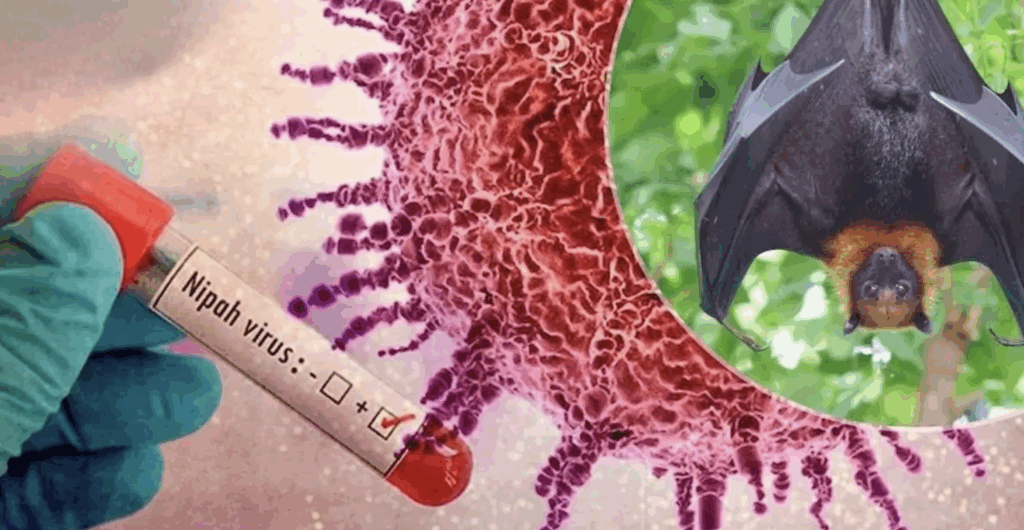
Nipah virus is a zoonotic infection, meaning it spreads from animals to humans, with fruit bats identified as the primary natural hosts. Human infection can occur through contaminated food, direct contact with infected animals, or close contact with infected people. Symptoms typically begin with fever, headache, and respiratory distress, but in severe cases, the virus can cause acute encephalitis, leading to coma or death.
What makes Nipah particularly alarming is its high fatality rate, which has ranged between 40% and 75% in past outbreaks, and the fact that no approved vaccine or specific treatment currently exists.
International Response and Travel Screening
Following the latest cases, several countries in Asia and the Middle East have stepped up monitoring of travellers arriving from India. Airports have begun implementing thermal screening, symptom checks, health declarations, and advisory notices, echoing early Covid-19 containment strategies.
Health officials say these measures are precautionary, aimed at early detection rather than travel restrictions. Travellers exhibiting symptoms may be isolated for observation, while contact tracing protocols have been reactivated to prevent cross-border spread.
India’s Containment Measures
Within India, authorities have moved quickly to contain the outbreak. Contact tracing, quarantining of high-risk individuals, and strict hospital infection-control protocols are being enforced. Public health teams are also monitoring healthcare workers and family members who may have been exposed.
State governments have issued advisories urging people to avoid consuming unwashed fruits, limit contact with sick individuals, and report symptoms immediately. Surveillance in bat-populated areas has also been intensified.
Should Travellers Be Worried?
Public health experts emphasise that Nipah does not spread as easily as respiratory viruses like Covid-19 or influenza. Most human-to-human transmission requires close and prolonged contact, making widespread outbreaks less likely if containment measures are followed strictly.
However, vigilance remains critical. Travellers are advised to monitor their health after travel, follow local health guidelines, and seek medical attention if symptoms develop.
A Reminder of Pandemic Preparedness
The Nipah outbreak serves as a reminder that emerging infectious diseases remain a global threat, even as the world moves beyond the Covid-19 crisis. Early detection, transparent communication, and coordinated international response will be key to ensuring that isolated outbreaks do not escalate into larger public health emergencies.