Google’s next major Android release, Android 17, is shaping up to bring notable visual enhancements to the user interface on Pixel devices. According to early reports and internal leaks, the software may introduce blur-based transparency effects throughout the system UI, giving menus and overlays a more layered and modern appearance.
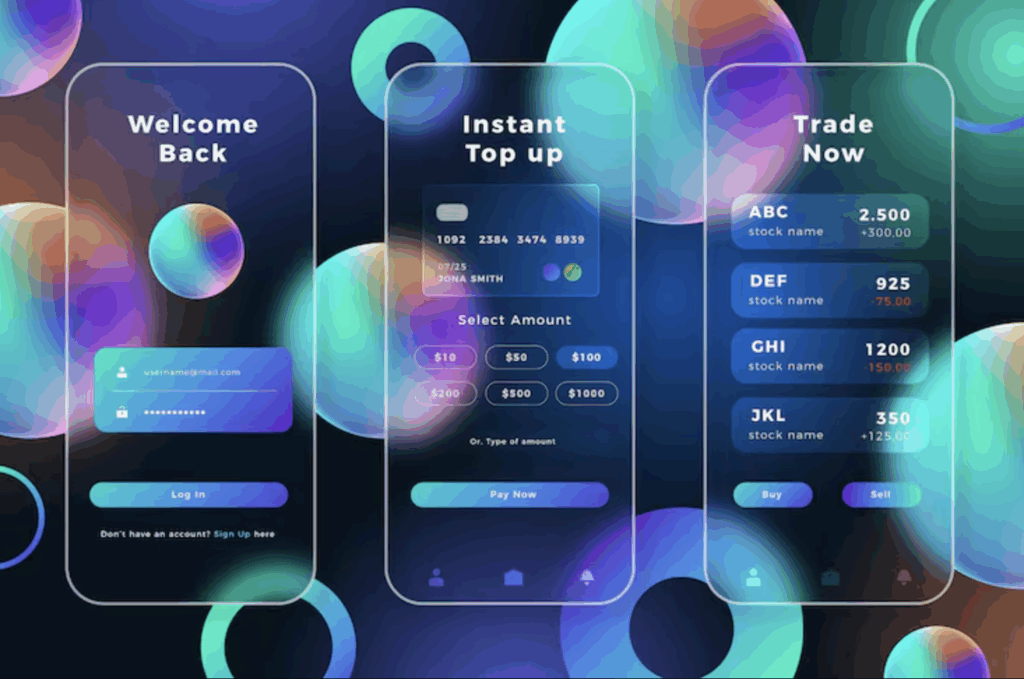
What the Blur Effect Is
Rather than completely overhauling the design language, the blur effect subtly transforms the backgrounds of key UI components. Traditionally, Android system panels and menus use solid light or dark backgrounds. In Android 17, those areas may adopt a soft, translucent blur finish that allows users to slightly glimpse the content behind them.
Examples of where this effect may appear include the volume control panel, power menu, and other system overlays. These elements could shift from opaque blocks to blurred, semi-transparent layers, making the interface feel more spatial and visually cohesive.
Visual Continuity and Depth
This shift builds on Google’s earlier Material 3 Expressive design language introduced with Android 16, which already brought some transparency and layered visuals to notifications and quick settings panels. With Android 17, those refinements could expand further, prioritising visual depth and immersion without altering core navigation or functionality.
The blur effect is designed to improve the perceived fluidity and aesthetics of the interface, making it feel lighter and more modern while keeping familiarity for Android users. It is expected to be subtle rather than radical, focusing on polish over radical redesign.
Development and Release Expectations
Android 17 is still under development, and these blur features have surfaced through early builds and leaks. Google typically unveils major Android versions at its annual developer conference, Google I/O, with wider rollouts following later in the year. As with all leaks, design details may change before the official release.
What It Means for Pixel Users
If implemented, the new UI blur effects could offer a more engaging and refined visual experience for Pixel phone owners. It signals Google’s continued focus on design evolution and user experience enhancements while retaining Android’s core functionality and performance.