India has agreed on a quota-based duty concession for apples from the United States as part of the interim India-US trade agreement, but the government has taken steps to ensure that domestic farmers remain protected. Commerce Minister Piyush Goyal told a business conclave that imports won’t undercut local producers because a minimum import price has been set for US apples, ensuring they arrive in India at no less than Rs 75–80 per kilogram — a level meant to prevent cheaper foreign fruit from flooding the domestic market while enabling controlled trade between the two economies.
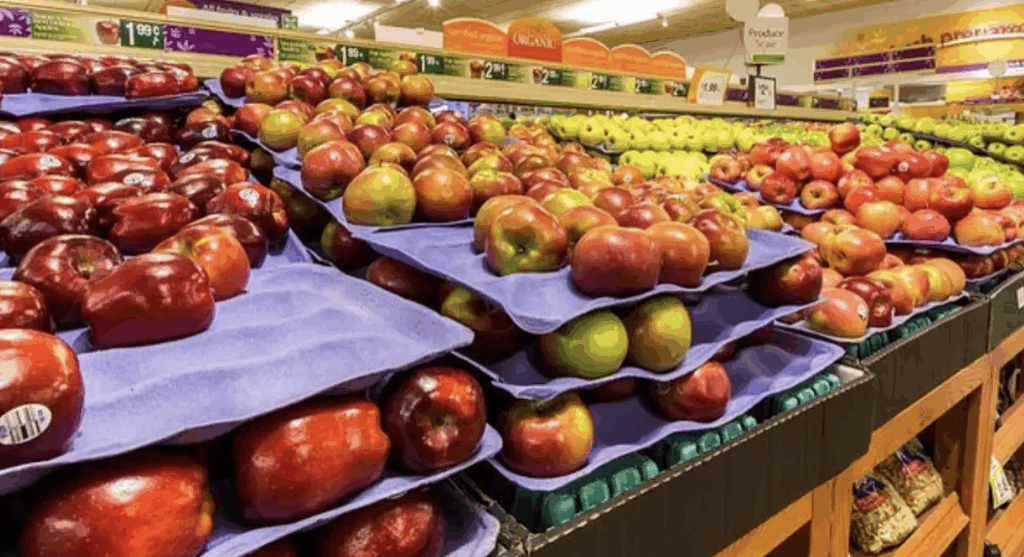
What the Minimum Import Price Means for Apple Imports
Under the proposed interim trade pact between India and the United States, India has agreed to offer duty relief on certain products, including apples, but with strong safeguards in place:
- A minimum import price (MIP) for apples has been fixed to prevent extremely low-priced imports from undercutting Indian growers.
- Import duties remain significant, and only limited quotas will be allowed under the concession framework.
- This effectively means that apples imported from the US will not be allowed to enter the Indian market below the set price threshold, giving domestic growers room to compete.
According to the government’s messaging, these measures mean that farmers’ interests are fully protected and grocery bills for consumers won’t be disrupted by cheap imports.
Why India Is Making These Trade Concessions
The move to include apples in the trade framework comes as part of a larger effort to finalize a broad India-US trade agreement expected to be signed by mid-March 2026. The pact is designed to boost cross-border commerce by easing tariffs on a range of products, both industrial and agricultural, while seeking to balance economic growth with domestic sector protection. At the same time, India has secured commitments that other Indian goods — including several agricultural and industrial exports — will enjoy zero or reduced tariffs in the US market, opening up fresh opportunities for exporters.
Addressing Farmer Concerns and Agricultural Protections
A key focus in recent discussions has been ensuring that Indian farmers and small producers are not harmed by tariff changes. Indian officials have repeatedly underscored that sensitive agricultural sectors — such as staples, dairy, spices and many fruits — remain fully protected from harmful competition under the trade framework, while more neutral or non-sensitive products may see market access changes with safeguards.
The government’s stance is aimed at reassuring farmers, MSMEs and rural stakeholders that trade liberalisation will not come at the expense of domestic livelihoods or food security.
Wider Expectations from the India-US Trade Agreement
Beyond agriculture, the interim pact is expected to provide broader tariff relief and concessions that benefit various Indian industries, including technology, pharmaceuticals, textiles and high-value manufactured goods. By strengthening market access for Indian exports and securing responsible import mechanisms, the deal seeks to foster deeper bilateral trade without destabilising local producers.