Amazon Plans Massive Automation Drive
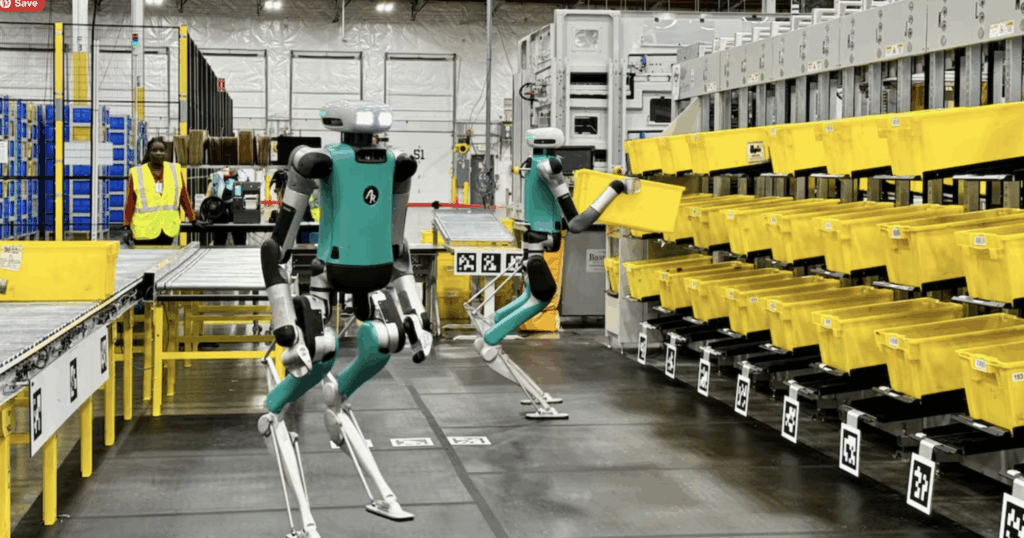
Amazon is gearing up for one of the largest automation transformations in its history, which could replace more than 600,000 human jobs with robots by 2033. Internal company documents accessed by The New York Times reveal that the e-commerce giant’s robotics division aims to automate 75% of warehouse operations to minimize human dependency.
Cost Savings and Workforce Reduction
According to the report, Amazon’s automation team estimates that the company can avoid hiring around 1.6 lakh new workers in the U.S. by 2027, saving approximately ₹26 (30 cents) on every product it picks, packs, and ships. The total impact could result in avoiding 6 lakh new hirings over the next decade — even as sales volumes are expected to double.
Currently, Amazon employs around 1.2 million workers in the United States, making it one of the country’s largest private employers. The automation shift, however, could fundamentally reshape the nature of warehouse jobs.
Managing Perception: From ‘Robots’ to ‘Cobots’
The internal documents also reveal Amazon’s strategy to reframe its automation narrative. To soften public and employee backlash, the company plans to use terms like “advanced technology” instead of “AI and automation” and “cobots” (collaborative robots) instead of “robots.”
This linguistic shift aims to present automation as a partnership between humans and machines, rather than outright replacement. Amazon also intends to boost its community engagement to reinforce its image as a “good corporate citizen.”
Amazon’s Response and Future Outlook
Responding to the report, Amazon spokesperson Kelly Nantel said the documents reflected “the perspective of one internal group.” She added that the company still plans to hire 2.5 lakh workers for the upcoming holiday season but did not clarify if these would be permanent positions.
Amazon’s automation journey began in 2012 with its $775 million acquisition of Kiva Systems. Today, its advanced warehouses use over 1,000 robots per facility, marking a pivotal shift toward fully automated logistics.