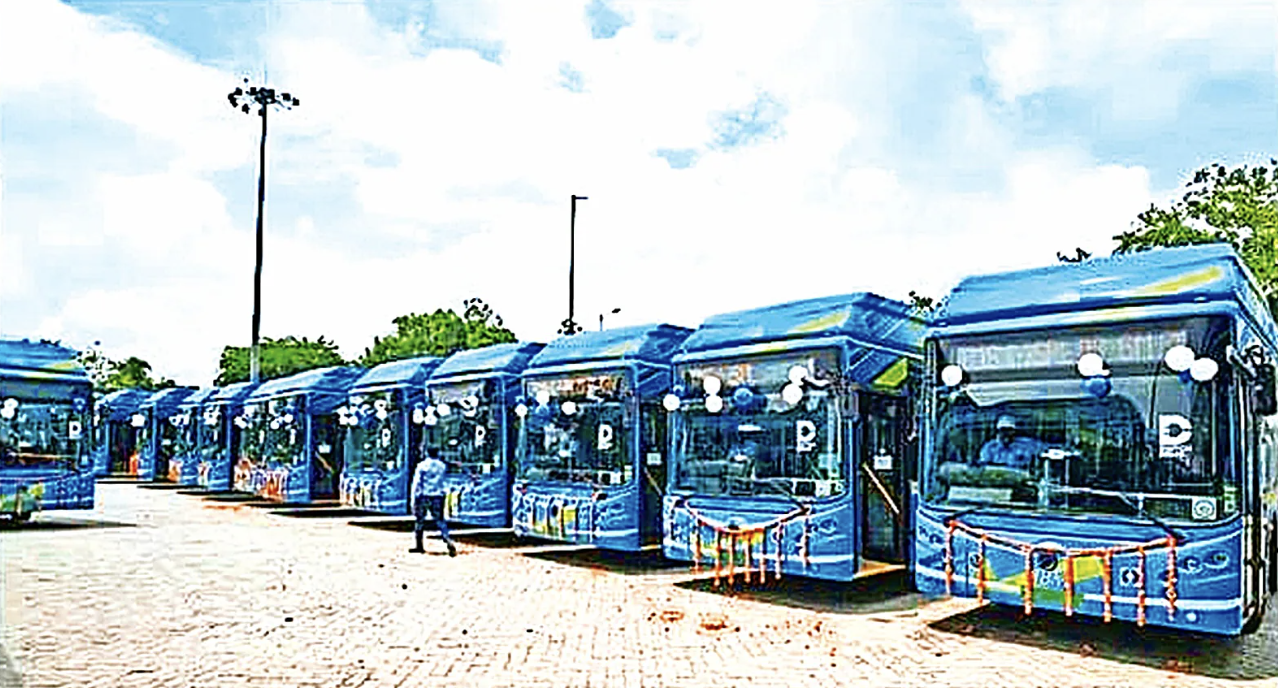
The Maharashtra government has announced an ambitious plan to convert the entire Maharashtra State Road Transport Corporation (MSRTC) fleet to electric buses by 2037. The move aims to make Maharashtra the first Indian state to fully electrify its state-run bus network as part of a broader push toward sustainable transportation.
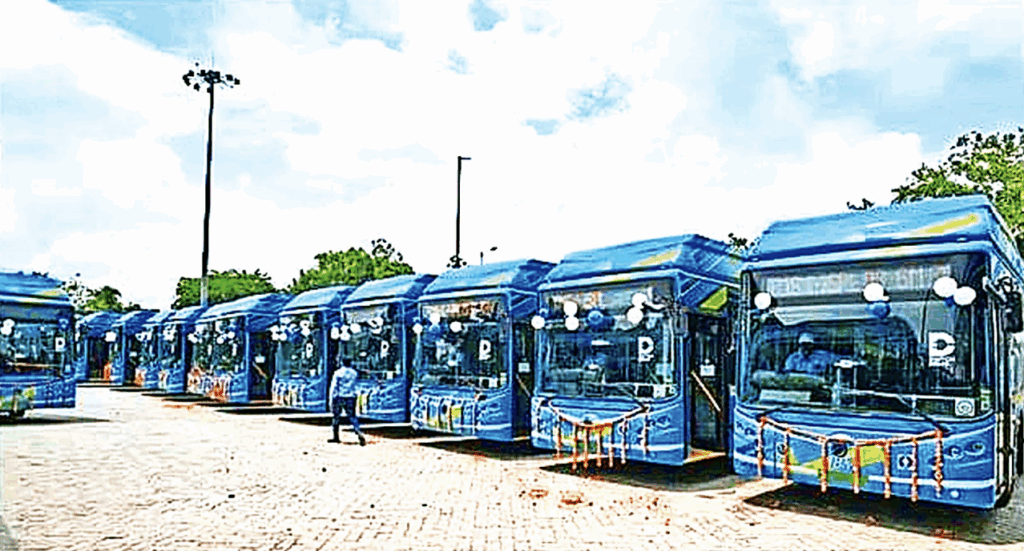
Transport Minister Pratap Sarnaik informed the state Legislative Council that the government is gradually transitioning away from diesel buses and adopting electric vehicles across the public transport system.
22,000 Buses to Be Electrified
MSRTC currently operates around 22,000 buses across Maharashtra, serving millions of passengers every day. According to the government’s roadmap, the entire fleet will be converted to electric vehicles over the next decade.
At present, only around 800 buses in the fleet are electric, showing that the transition will require large-scale procurement and conversion of existing vehicles.
Initially, the corporation had planned to purchase 5,000 diesel buses annually for five years, but the policy has now changed. Apart from the 8,000 diesel buses already in the pipeline, future additions to the fleet will mainly be electric buses.
Solar Charging Stations and Green Infrastructure
To support the electrification drive, the government plans to develop solar-powered charging stations across the state. These stations will reduce reliance on traditional electricity sources and help make the electric bus network more environmentally sustainable.
Authorities are also working on a plan to install EV charging infrastructure along highways and major routes. This will ensure that long-distance buses can operate smoothly without range limitations.
Toll Waiver and Incentives for EVs
Under Maharashtra’s EV Policy 2026, electric vehicles are eligible for several incentives, including tax benefits and toll concessions.
Electric buses and other EVs currently receive complete toll waivers on major routes, including:
- Mumbai–Pune Expressway
- Nagpur–Mumbai Samruddhi Mahamarg
- Atal Setu (Mumbai Trans Harbour Link)
These incentives aim to accelerate the adoption of electric vehicles across the transport sector.
Part of India’s Larger Electric Mobility Vision
The initiative aligns with the national goal of transitioning to clean and sustainable mobility by 2047, when India marks 100 years of independence.
By setting an earlier target of 2037 for a fully electric bus fleet, Maharashtra hopes to position itself as a leader in India’s EV transition while reducing emissions and fuel costs in the public transport system.
Challenges Ahead
While the announcement marks a major step toward green mobility, experts note that the transition will require:
- Large investments in EV buses
- Massive charging infrastructure
- Reliable electricity supply across rural areas
There are also concerns about operational costs and financial sustainability, with some reports suggesting electric bus projects could lead to significant losses if not managed efficiently.