In the coming weeks, OpenAI will commence showing ads to all users of the free and Go versions of ChatGPT in the United States, according to a company spokesperson reportedly.
Adds Are Coming To ChatGPT Very Soon
OpenAI appears to be all set to introduce ads on the free and Go versions of ChatGPT for users in the United States.
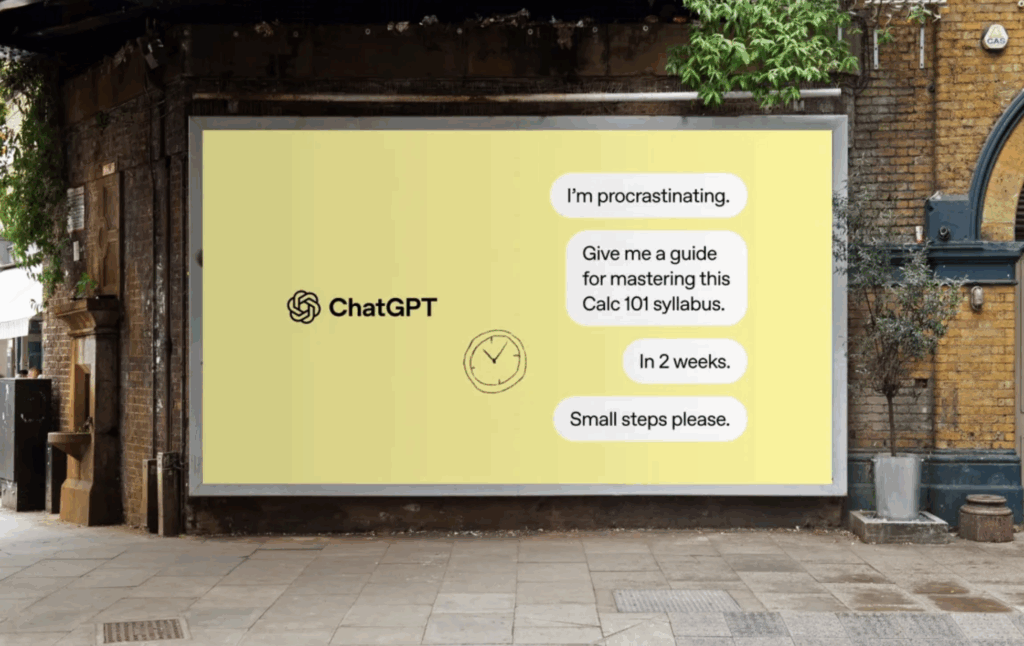
Recently, OpenAI has integrated Criteo, an advertising technology firm that provides an interface for buying ads and improving targeting, into its advertising pilot for the free and Go versions of ChatGPT in the U.S., said Criteo in a statement at the start of this month.
There are reports that Criteo has been pitching advertisers on committing between $50,000 and $100,000 in spending.
Besides this, OpenAI has also advised advertisers that supplying more variations of ad text and visuals can increase how often ads are shown and improve performance.
Advertising – A New Revenue Stream
It appears that OpenAI has been exploring advertising as a new revenue stream as usage of ChatGPT has surged.
With this move, the brand is seeking to diversify revenue as it faces rising costs for computing infrastructure amid intensifying competition in generative AI.
In addition to this, the move marks a significant shift in how OpenAI plans to generate revenue as the usage of ChatGPT continues to grow and the costs of running its infrastructure keep rising.
OpenAI seems to have integrated Criteo, an advertising technology firm, into its advertising pilot for the free and Go versions of ChatGPT in the US which would get its ad operations running.
When it comes to the Criteo, it provides an interface for buying ads and improving targeting.
So far, the ad rollout is limited to users on the free and Go plans in the US and yet it is not clear whether OpenAI plans to extend ads to its paid subscription tiers or expand the programme to other regions.
This decision also reflects the broader challenge AI companies face while balancing the cost of building and maintaining large-scale AI systems and keeping their products accessible to everyday users.
Further signalling that free access to AI tools may increasingly come with trade-offs, much like social media platforms have operated for years.