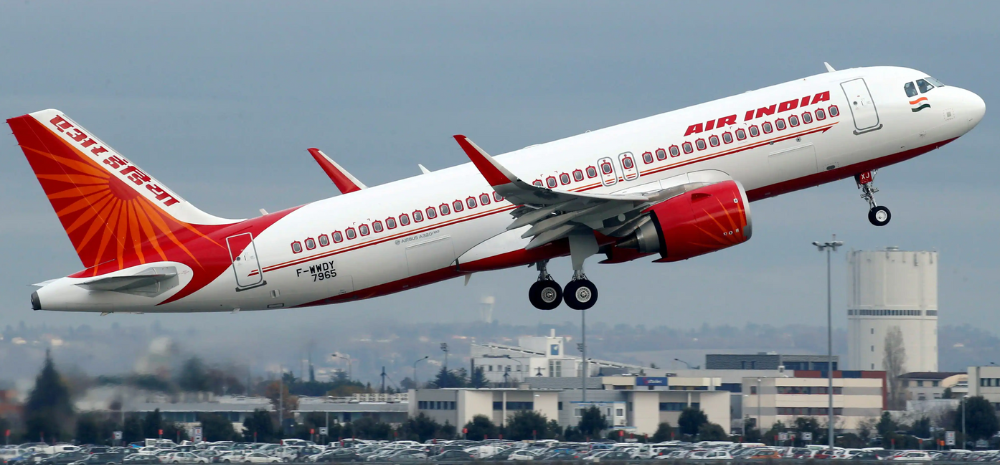
Air India has announced a major change to its long-haul international network. Starting March 1, the airline will stop operating direct non-stop flights between Mumbai and San Francisco and Bengaluru and San Francisco. The decision marks a shift in Air India’s global strategy and is likely to have implications for travellers between India and the U.S. West Coast.
Why the Change Is Happening
Airlines periodically review their route networks based on demand, costs, and profitability. Long-haul flights, especially those spanning continents, require high passenger loads and efficient yield to remain sustainable. Air India’s decision to discontinue these direct services suggests that the current model may no longer be financially optimal or strategically aligned with broader network planning.
Factors that may have influenced the change include fluctuating travel demand, rising operational costs, and evolving travel patterns post-pandemic. By adjusting services, Air India aims to optimise its international footprint while maintaining connectivity through alternative routes.
What Passengers Should Know
For travellers who regularly relied on non-stop flights from Mumbai and Bengaluru to San Francisco, the change means they will need to adjust plans. Instead of direct services, passengers can expect one-stop or connecting flights via other international hubs.
Air India and other carriers already offer connecting options through cities such as Europe and the Middle East, allowing passengers to reach San Francisco with a single stop. While this adds travel time, it can still provide competitive pricing and flexible scheduling.
Impact on Business and Leisure Travel
Non-stop flights between India and the U.S. West Coast have been popular with business travellers, tech professionals, and tourists due to the convenience of uninterrupted travel. San Francisco, a global tech hub, connects India to major business centres and innovation sectors.
With the shift to connecting flights, business travellers may face longer overall travel durations. However, flexible connections can offer more choices for departure times and routing, potentially benefiting travellers who prioritise convenience or cost savings.
Strategic Considerations for Air India
Air India’s decision may be part of broader network realignment as the airline continues to integrate routes, manage capacity, and adapt to competitive pressures. The airline has been working to expand its international footprint while maintaining strong links to major global markets.
By reallocating aircraft and focusing on efficient routing, Air India may improve overall operational performance and customer experience in other parts of its network.
Conclusion
Air India’s upcoming changes to its San Francisco services represent a strategic shift in how the carrier serves transcontinental routes. While direct non-stop flights from Mumbai and Bengaluru will end from March 1, passengers will still be able to fly between India and San Francisco via one-stop options. The move reflects evolving travel demand and airline strategy in a dynamic global aviation market.