India’s probe into the fatal Air India Flight AI171 crash — a Boeing 787 Dreamliner accident near Ahmedabad that claimed 260 lives — is reportedly moving closer to identifying deliberate pilot action as the most probable cause of the tragedy. Authorities and investigators familiar with the yet-unreleased findings indicate that other major possibilities, including mechanical failure or sabotage, have not been substantiated.
This marks a shift from earlier weeks when different scenarios were still being explored, and reflects how complex aviation accident probes evolve as evidence is examined.
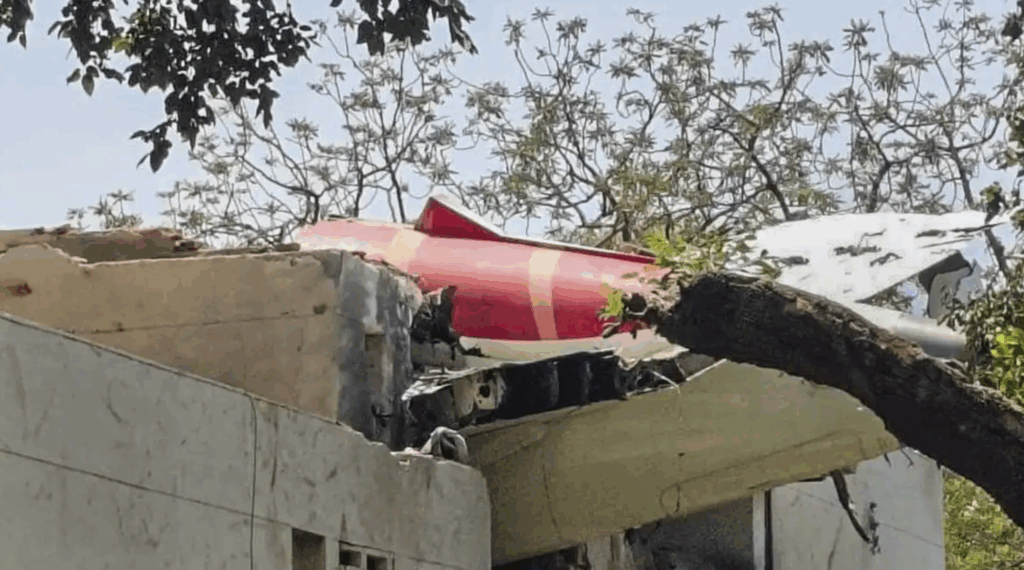
Ruling Out Mechanical Failure and Sabotage
According to people familiar with the investigation, detailed technical analysis so far has not identified mechanical faults in the aircraft that would directly explain the crash. Likewise, investigators have not found credible evidence of sabotage, narrowing the focus significantly.
The absence of mechanical or external interference as causes leaves human actions in the cockpit as the strongest remaining line of inquiry. Aviation probes typically eliminate all other plausible factors before pointing toward crew actions, which are considered only after exhaustive technical and operational reviews.
Fuel Cutoff and Cockpit Data
Early data from flight recorders retrieved from the crash site, reported in previous phases of the investigation, showed that the fuel supply to both engines was cut off seconds after takeoff, causing an immediate loss of thrust. Cockpit voice recordings reportedly captured one pilot asking another why the fuel cutoff occurred, with a response denying responsibility.
While this does not conclusively prove deliberate intent, it has heightened scrutiny on pilot actions in the final moments before the crash. Such events are rare and typically require careful analysis of human factors, procedural adherence, and cockpit communication logs.
Broader Investigation Context
The crash investigation by the Aircraft Accident Investigation Bureau (AAIB) follows strict international protocols, examining software, hardware, environmental factors, and human elements in depth. Nothing has been officially ruled out yet, and investigators continue to cross-verify all evidence before drawing firm conclusions.
Pressure for transparency has been growing, with the Supreme Court of India agreeing to hear pleas for an independent probe amid concerns over how preliminary information was shared publicly.
Awaiting Final Report
The final official investigation report — expected to provide a definitive explanation — has not yet been released. Only after its publication will authorities and the public have access to a fully authenticated account of what led to one of India’s deadliest civil aviation disasters.