Following Karnataka’s request for UPI merchant turnover data, four more states—Andhra Pradesh, Uttar Pradesh, Tamil Nadu, and Gujarat—have asked UPI apps and payment aggregators to share annual merchant transactions. This effort aims to identify merchants with turnover above Rs 40 lakh, the threshold for mandatory GST registration.
Fear of GST Notices Triggers Backlash
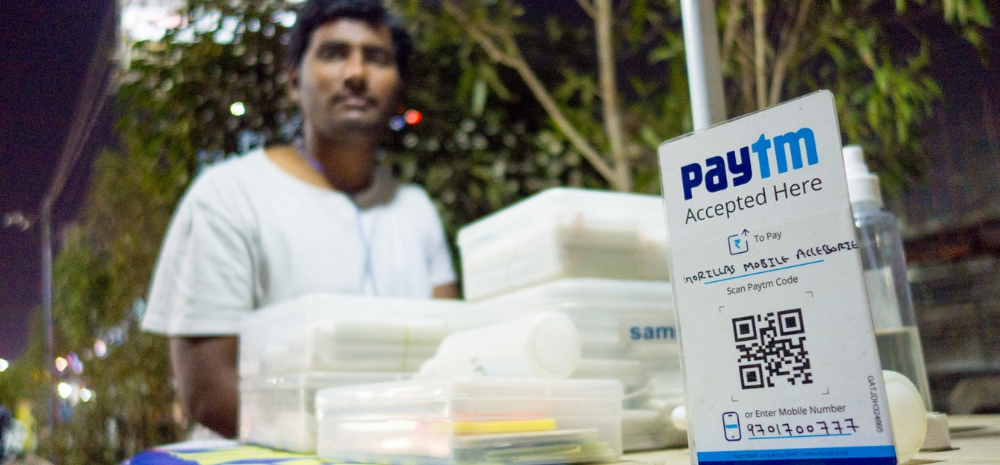
Traders’ bodies are advising members to return to cash-based payments. In Karnataka, small vendors plan a state-wide shutdown on July 25 if notices are not withdrawn. Some have already stopped accepting UPI altogether, fearing heavy tax demands.
A vendor in Mysuru shared that his revenue data triggered a Rs 30 lakh notice, causing him to shut UPI operations and lose business. Similar stories are surfacing from across Bengaluru.
Digital Payment Boom Faces Roadblock
UPI is India’s most widely used digital payment method, processing over 18 billion transactions monthly. However, merchant concerns could slow down this momentum. Merchant payments form 63 percent of all UPI transactions, making the issue more alarming for payment firms like PhonePe, Paytm, and BharatPe.
A UPI app executive warned that if more states issue notices, merchants nationwide may shift to cash despite strong customer preference for UPI.
Turnover vs Tax Liability: A Confusing Debate
Bankers argue that using UPI transaction totals as a proxy for GST liability is misleading. Not all items sold via UPI attract GST—many are exempt, like food staples. Traders, often unaware of this nuance, perceive the notices as penalties rather than compliance reminders.
The Karnataka tax department clarified that notices aim to encourage registration, not immediate tax collection. Still, confusion remains.
One Shop, Many QRs: Loopholes Surface
In response, merchants may use multiple QR codes linked to personal accounts to dodge scrutiny. Authorities are monitoring this closely, especially after past incidents where individual vendors received large payments via multiple accounts.
What’s at Stake?
Experts warn this aggressive approach risks undermining trust in digital payments. While ensuring tax compliance is important, blanket enforcement may drive informal businesses back into the shadows—hurting both innovation and revenue.