India’s currency has hit a historic low, with the rupee breaching the ₹95 per US dollar mark, making it one of the worst-performing currencies in Asia in 2026. This sharp fall is not due to a single reason—but a combination of global and domestic pressures.
Historic Fall: What Happened?
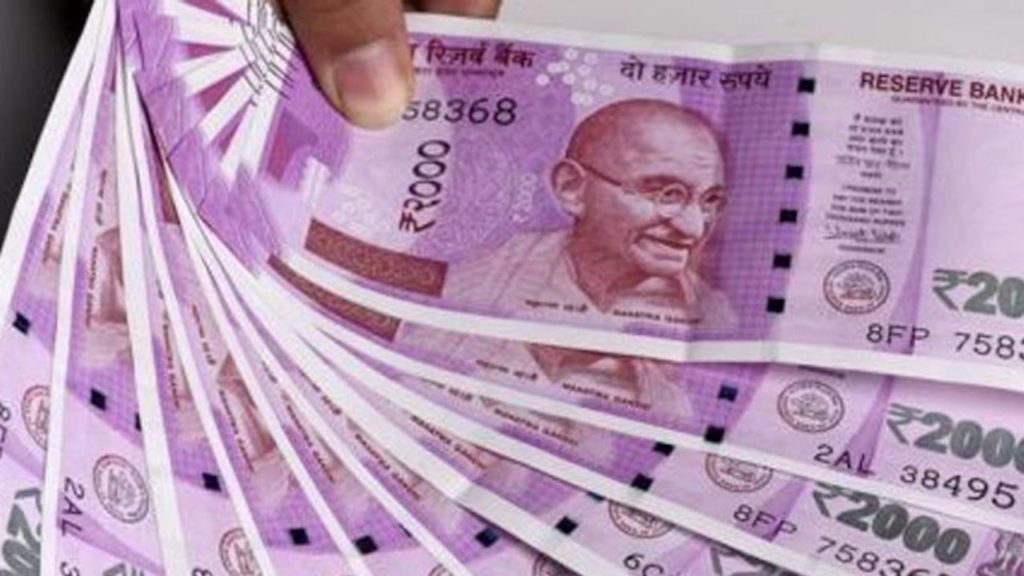
The rupee recently touched ₹95.2 per dollar, its weakest level ever.
- It has fallen nearly 10–11% over the past year
- This marks the worst performance in over a decade
The decline has been rapid, especially in March 2026, when the currency saw one of its sharpest monthly drops in years.
Rising Oil Prices Are the Biggest Trigger
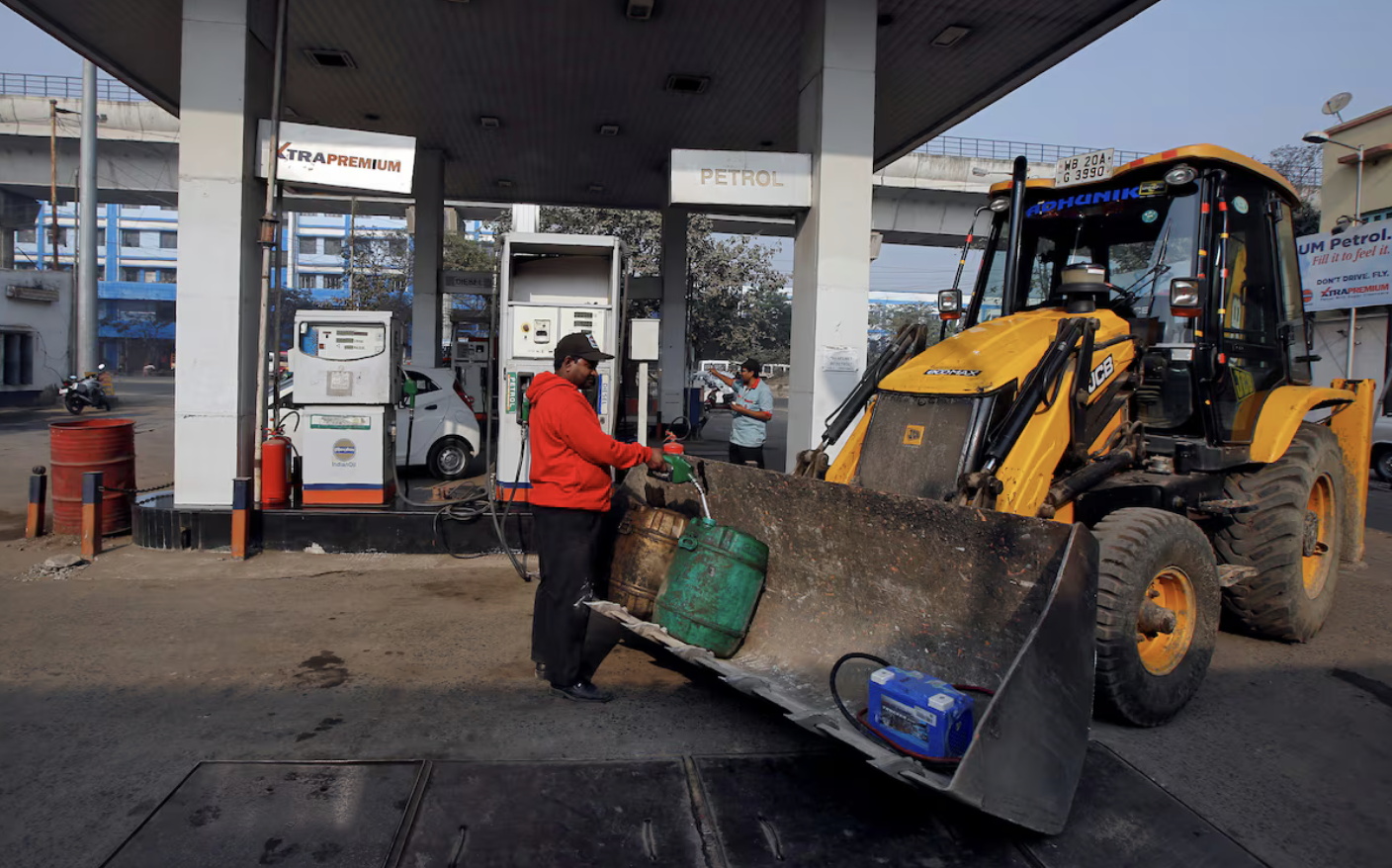
The primary reason behind the fall is surging crude oil prices due to the ongoing Middle East (Iran) conflict.
- Brent crude has crossed $100–$115 per barrel
- India imports over 80% of its oil needs
As oil becomes expensive:
- India needs more dollars to pay for imports
- Demand for the US dollar rises
- The rupee weakens
This is the single biggest pressure point on the currency.
Foreign Investors Pulling Money Out
Another major factor is capital outflows.
- Foreign investors have pulled out billions of dollars from Indian markets
- Equity markets have seen heavy selling
When investors exit:
- They convert rupees into dollars
- This increases dollar demand
- The rupee depreciates further
Strong US Dollar Making Things Worse
Global uncertainty has strengthened the US dollar, which is seen as a safe-haven asset.
- During geopolitical crises, investors prefer US assets
- The dollar strengthens against most global currencies
This means even if India’s fundamentals remain stable, the rupee still weakens relative to a stronger dollar.
Widening Trade Deficit & Economic Pressure
India’s trade deficit is also widening due to:
- Higher import bills (especially oil)
- Slower export growth
This leads to:
- More dollars going out than coming in
- Pressure on the rupee
At the same time, rising oil prices increase inflation risks, further weakening currency sentiment.
Speculation and Forex Market Pressure
Apart from fundamentals, currency market speculation has added pressure.
- Arbitrage trades and forex positions increased dollar demand
- Banks and corporates were exploiting rate differences
The Reserve Bank of India (RBI) has now stepped in with restrictions to limit speculative activity and stabilize the rupee.
RBI Intervention: Trying to Stabilize the Rupee
The RBI has taken multiple steps:
- Capping banks’ forex positions
- Restricting derivative trading
- Intervening in currency markets
These moves have led to temporary recovery, but the broader trend remains weak due to global pressures.
What This Means for You
A weaker rupee impacts everyday life:
- Fuel prices may rise
- Imported goods (electronics, travel, education abroad) become costlier
- Inflation pressure may increase
However, it also benefits exporters, as Indian goods become cheaper globally.
Bigger Picture: Global Crisis Driving Currency Weakness
The rupee’s fall is not an isolated issue—it reflects a larger global situation:
- Geopolitical tensions (Iran conflict)
- Rising energy prices
- Capital shifting toward safer economies
Until these stabilize, the rupee may continue to remain under pressure.