The Supreme Court on Monday clarified that Aadhaar cards, issued under the Aadhaar Act, 2016, will now serve as the 12th document for establishing identity in the revised electoral rolls of Bihar ahead of the Assembly elections. A Bench of Justice Surya Kant and Justice Joymalya Bagchi emphasized that while Aadhaar may be used to verify identity, it cannot be treated as proof of citizenship. The Election Commission of India (ECI) has been directed to issue necessary instructions immediately.
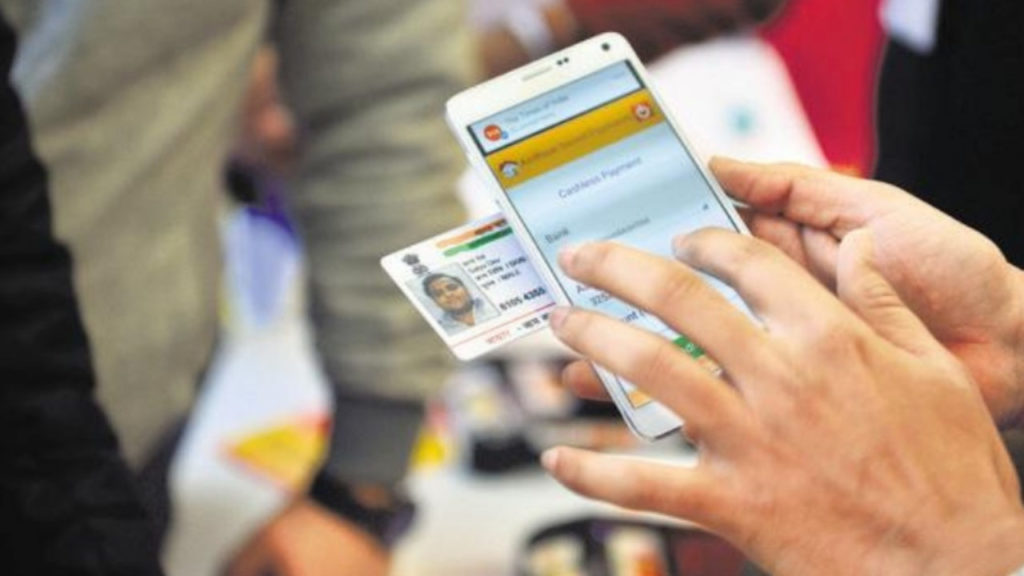
Aadhaar Can Prove Identity, Not Citizenship: Supreme Court Observes
The clarification came while hearing petitions challenging the ECI’s “Special Intensive Revision” (SIR) of Bihar’s electoral rolls. Petitioners, led by Senior Advocate Kapil Sibal, argued that officials were rejecting Aadhaar submissions despite repeated Court directions and were even issuing show-cause notices to those accepting them. He highlighted that poor and marginalized voters, often possessing only Aadhaar, risked exclusion.
Justice Surya Kant underscored that genuine citizens are entitled to vote, while fraudulent claims based on forged documents must be filtered through verification. Advocate Rakesh Dwivedi, appearing for the ECI, confirmed that Aadhaar would be accepted for identity purposes, but not as citizenship proof. Justice Bagchi observed that apart from passports and birth certificates, none of the 11 prescribed documents conclusively prove citizenship either, making Aadhaar’s inclusion reasonable.
Supreme Court Balances Inclusion and Safeguards in Bihar Voter Roll Dispute
The Court also stressed ECI’s responsibility to ensure inclusivity and ordered Aadhaar’s formal recognition as the 12th valid identity document. Fresh petitions from other states on similar issues will be heard on September 15. The Bench further asked ECI to publicize the order widely, suggesting updates on official websites.
This decision follows a series of earlier hearings where the Court monitored the SIR process amid concerns of mass voter exclusions. In August, it directed the ECI to publish names of 65 lakh voters missing from Bihar’s rolls and noted that multiple identity options should empower rather than exclude voters. The ECI has defended the revision exercise as a necessary “purification” drive to maintain accuracy, removing dead or shifted voters. While Aadhaar’s acceptance may ease voter identification, the Court has firmly reiterated that it cannot serve as proof of citizenship, preserving the balance between inclusivity and legal safeguards.
Summary:
The Supreme Court has allowed Aadhaar as the 12th identity document for Bihar’s electoral rolls but clarified it is not proof of citizenship. Directing the ECI to ensure inclusivity and publicize the order, the Court balanced voter access with safeguards, addressing concerns over exclusions amid the ongoing Special Intensive Revision.