In recent times, Canada has recorded a sharp decline in new international student arrivals mostly owing to the federal government tightened controls on study permits as per the latest data released by Immigration, Refugees and Citizenship Canada (IRCC).
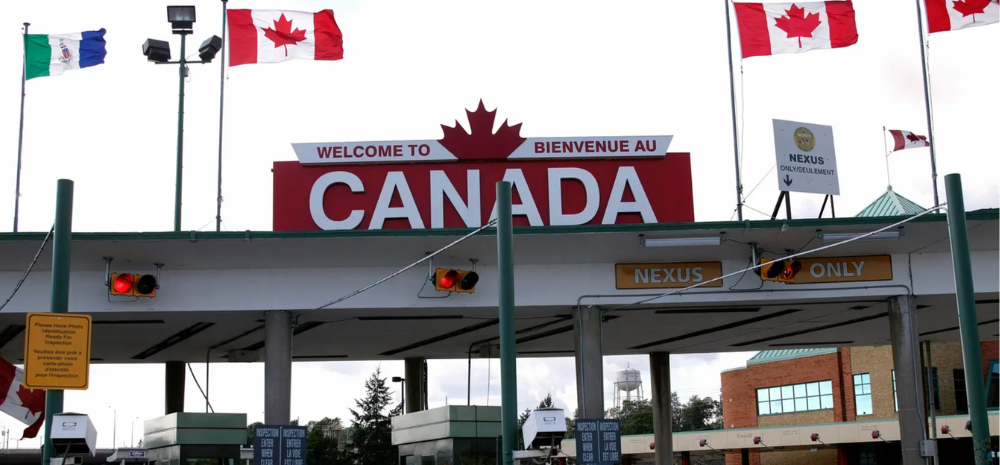
Canada Witnessing A Decline In Student Visas
It appears that only 2,485 new study permits were issued in November 2025 as indicated in IRCC’s monthly figures.
This holds a significance as it is marking one of the lowest monthly totals in recent years contrasting the 95,320 study permits which were issued in December 2023, a peak month ahead of winter intakes.
The comparison has led to reports of a 97% decline in new student arrivals.
Basically, the “new student arrivals” data is based on study permits issued in a given month, not the number of students physically entering Canada, said IRCC.
According to the department, they count approvals that result in a study permit during that month.
Please note that the extensions, asylum claimants and existing students are excluded.
Why Would This Happen?
This data is designed to show new pressure on housing and public services, rather than the total number of international students already living in the country, IRCC stated.
Moving ahead, IRCC noted that December and August are peak months, as permits are issued ahead of winter and fall semesters.
That is why comparing November 2025 with December 2023 therefore exaggerates the scale of the fall.
If we consider the broader trend, it shows a sustained decline as 60% fewer new international students were issued permits between January and November 2025 compared with the same period in 2024, as per the IRCC data.
In fact, this decline reflects deliberate policy changes aimed at reducing the temporary resident population, IRCC noted.
Further adding, “These figures are a clear sign that the measures we’ve put in place are working,” while linking the drop to efforts to ease pressure on housing, healthcare and services.
Under the key changes, a national cap on the number of study permit applications accepted
Provincial and territorial attestation letters (PAL/TAL), without which applications can be returned unprocessed.
They have also upgraded the financial requirements for applicants as they mandate the verification of letters of acceptance which is in place since December 2023, to curb fraud.
This would also affect the Canadian institutions considering the sharp fall in new students has financial implications for Canadian institutions that rely heavily on international tuition fees.
Besides this, the lower first-year enrolment can affect budgets, staffing and course viability, particularly at colleges with large international intakes.
While talking about this, IRCC has confirmed the cap will remain in place in 2026 and expects to issue up to 408,000 study permits, including extensions.
In response to this, Canada has not closed its doors to international students, their system is now more selective, with stricter limits, stronger checks and fewer approvals.
They are mainly focusing on the applicants with solid finances, genuine offers and complete documentation are more likely to succeed under the new rules.