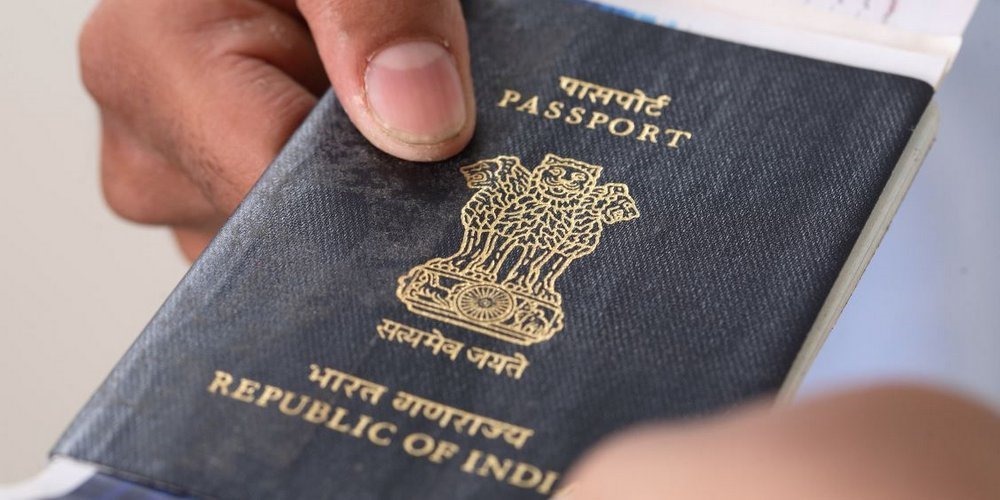
A recent statement in the Indian Parliament has revealed that nearly 900,000 Indian citizens voluntarily gave up their citizenship between 2020 and 2025. The disclosure was made by the Ministry of External Affairs (MEA), shedding light on migration trends and the choices many Indians make in pursuit of global opportunities, family reunification, and better economic prospects.
Understanding Citizenship Renunciation
Renouncing Indian citizenship is a legal process undertaken by individuals who choose to acquire foreign nationality or decide not to retain their Indian citizenship for their own reasons. Once citizenship is formally renounced and foreign nationality is acquired, Indian law does not allow dual citizenship, and these individuals receive an Overseas Citizen of India (OCI) card as a lifelong residency and travel document.
Those who surrender citizenship also forfeit certain rights, such as voting and holding public office in India, but gain full legal rights in their new adopted country.
Breakdown of the Trend
The MEA data indicates a steady trend over the past five years, with increasing numbers of Indians formally renouncing citizenship. Experts suggest that migration for higher education, skilled employment opportunities abroad, family reunification, and quality of life are among the key drivers.
Developed economies such as the United States, Canada, Australia, and European Union countries remain popular destinations for Indians seeking long-term settlement. Attraction to stable job markets, advanced healthcare and education systems, and global mobility rights contribute to this trend.
Why Indians Are Giving Up Citizenship
Several factors influence the decision to renounce Indian citizenship:
Economic Opportunity: Many Indians pursue careers abroad due to higher salaries, specialised job opportunities, and improved professional growth.
Education and Family Reunification: Families often seek citizenship in countries where their children study or where multiple family members have already settled.
Global Mobility: Some countries’ passports offer visa-free travel to a larger number of nations, appealing to professionals, entrepreneurs, and frequent travellers.
Quality of Life Factors: Access to healthcare, social welfare benefits, and safer living environments are additional motivations for relocation.
Despite giving up Indian citizenship, many continue to maintain strong emotional and cultural ties with India, returning frequently for visits and maintaining family connections.
OCI Card: A Lifeline for Former Citizens
Those who renounce Indian citizenship often receive an Overseas Citizen of India (OCI) card, which offers lifelong visa-free travel to India, exemption from registering with police in most cases, and parity with non-resident Indians (NRIs) in many economic, financial, and educational activities.
Implications of the Trend
The volume of renunciations reflects India’s deep integration into global migration patterns. While this raises questions about brain drain, it also highlights India’s role in producing globally mobile talent. Policymakers may need to balance strategies for attracting returnees with domestic opportunities for skilled professionals.