India’s telecom sector is undergoing a major structural shift due to 5G rollout, satellite communication, and growing competition.
BSNL has achieved profitability for two consecutive quarters, mainly due to its 4G network expansion and better operations.
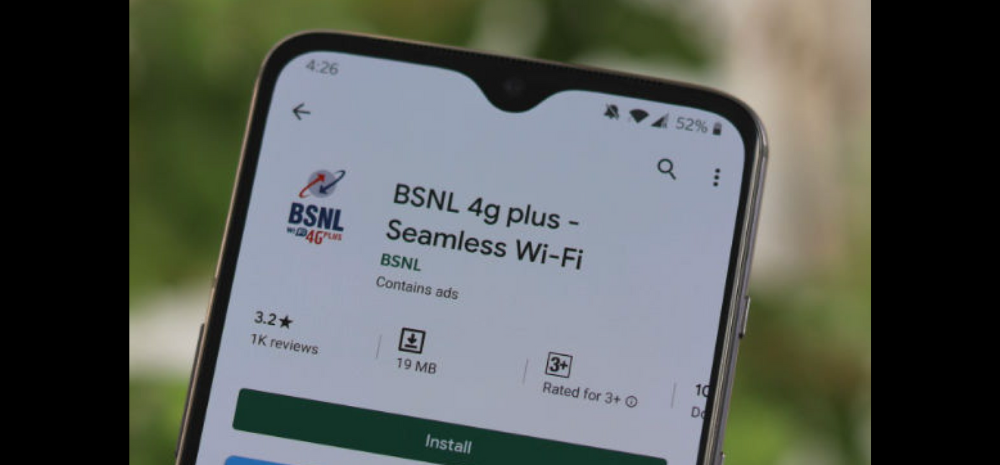
BSNL’s 4G Push: 100,000 Towers Installed, Profit Rises, and Expansion Plans Ahead
BSNL has installed nearly 100,000 4G towers in the last year, with around 70,000 currently active.
The minister stated that better tower performance, customer growth, spending control, and overall efficiency have contributed to BSNL’s Rs 250 crore profit.
He emphasized that the current profit is only a starting point, saying, “That’s not our target; it’s actually just a tipping point.”
The government plans to seek Cabinet approval for an additional 100,000 4G towers for BSNL.
There are also plans to monetise BSNL’s assets to increase cash flow for further investments, including 5G infrastructure.
BSNL continues to add new subscribers monthly but still operates on a much smaller scale than private operators like Reliance Jio and Bharti Airtel.
Reliance and Airtel each operate between 500,000–600,000 towers, which limits BSNL’s competitiveness.
BSNL Expansion and Satellite Internet: Cabinet Nod for 100,000 Towers, Limited Role for Starlink
The minister noted, “We are going to request approval from the Cabinet for another 100,000 towers.”
On satellite internet, three licenses have been issued, including one to Starlink, though launch timelines depend on the companies.
Satellite internet will be used mainly in remote and maritime areas and is not meant to replace traditional mobile networks.
The minister clarified, “Starlink isn’t going to bring millions and millions of customers into the fold. It will play a minor role…”
Satellite services are expected to be more expensive and slower than terrestrial networks.
The minister said, “Satellite internet is not intended for mobile services; it’s only for internet service, at least for now.”
He added that satellite communication will mainly act as a backup, not a primary solution.
On tariffs, the minister stated that Indian telecom rates are still among the lowest globally despite recent hikes.
Operators are under pressure to recover large 5G investments, but competition among at least 3–4 strong players will help keep prices in check.
The government has improved the system for monitoring service quality by shifting performance reviews from quarterly to monthly.
Monitoring is now done at the individual cell level instead of just the base station (BTS) level, allowing more detailed oversight.
The minister explained, “We used to monitor and report on a quarterly basis, but now we’ve changed it to monthly… The intensity and depth of this quality of service monitoring have been revamped.”