India is witnessing a sharp rise in cyber fraud linked to fake trading applications and websites. According to an analysis by the Indian Cyber Crime Coordination Centre (I4C), nearly 70% of online financial fraud losses are now connected to fraudulent stock market trading platforms. These scams exploit people’s desire to earn quick profits through investments in stocks or cryptocurrencies.
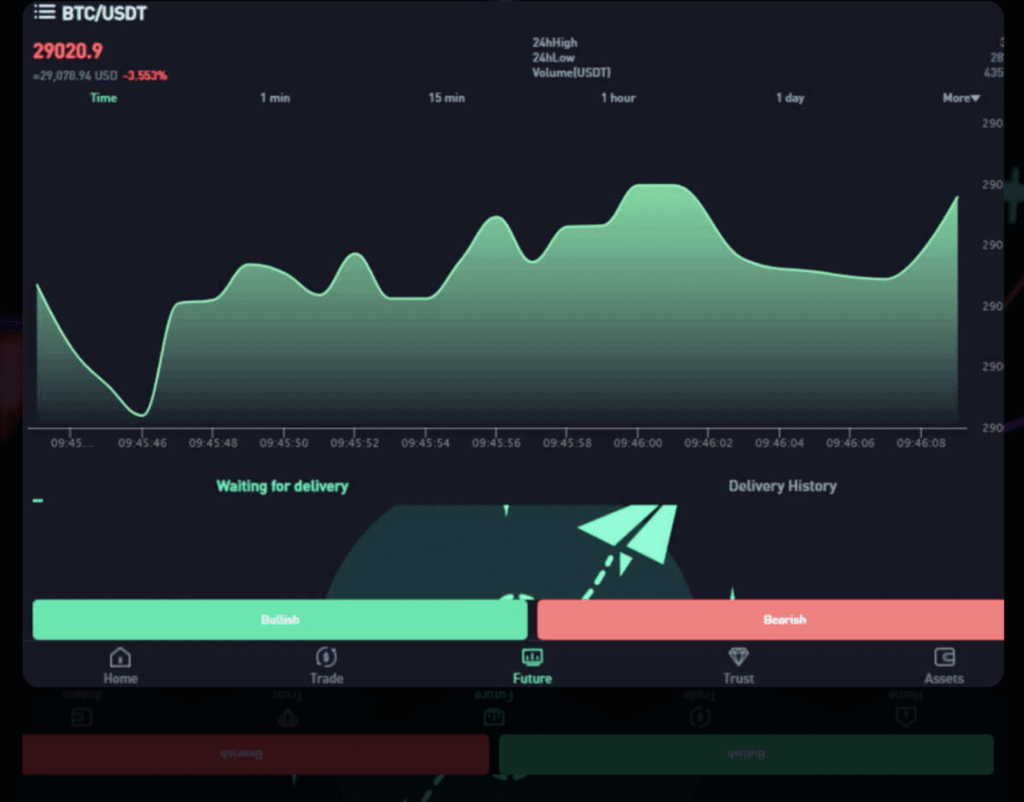
Cybercriminals promote these fake platforms through social media ads, messaging apps, and websites that appear similar to legitimate brokerage services. Victims are convinced to download apps or create accounts where they are shown fake profits to build trust before being asked to invest larger amounts.
How Fake Trading Apps Trap Victims
Fraudsters use a carefully planned strategy to deceive users. Initially, they lure victims with advertisements promising high returns or exclusive investment tips. Once users sign up, they are often added to WhatsApp or Telegram groups where fake “experts” share stock tips and screenshots of profits.
The apps display manipulated dashboards showing rising investments, encouraging users to deposit more funds. However, when victims attempt to withdraw their money, they face excuses such as technical issues, additional processing fees, or tax payments. Eventually, communication stops and the platform disappears, leaving investors with heavy losses.
Officials say scammers commonly exploit human emotions such as greed and fear to manipulate victims into transferring money quickly without verification.
Mule Accounts: The Backbone of the Fraud Network
A crucial part of these scams is the use of mule bank accounts, which help criminals move stolen money without revealing their identity. These accounts are typically opened using fake documents or by convincing individuals to allow their bank accounts to be used in exchange for small commissions.
Investigations reveal that Maharashtra, Uttar Pradesh, and Rajasthan have emerged as major hubs for mule accounts, helping cybercriminals funnel fraudulent funds across multiple layers of transactions.
These layered transactions make it difficult for authorities to track the final destination of the stolen money.
Changing Trends in Cybercrime
The growing dominance of fake trading apps also reflects a shift in cybercrime patterns in India. Earlier, scams such as “digital arrest” frauds—where criminals impersonate officials and threaten victims—were widely reported. Now, investment-related frauds are taking center stage.
Experts believe this shift is driven by the increasing popularity of online trading and financial apps among new investors, many of whom lack experience in verifying investment platforms.
Staying Safe from Fake Investment Platforms
Cybersecurity experts advise users to remain cautious when dealing with online investment offers. Key precautions include verifying whether a trading platform is registered with regulatory authorities, avoiding downloads from unknown links, and being skeptical of guaranteed high returns.
As digital finance grows rapidly in India, awareness and stronger monitoring of suspicious platforms will be crucial to curb the spread of these sophisticated cyber frauds.