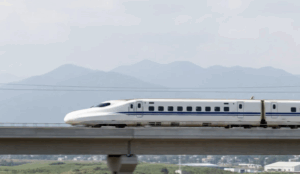
In her Union Budget 2026-27 speech, Finance Minister Nirmala Sitharaman unveiled ambitious plans to expand India’s high-speed rail network by developing seven new corridors connecting key urban and economic centres. These corridors are described as “growth connectors” — designed to promote faster, environmentally sustainable inter-city travel and support long-term economic development.
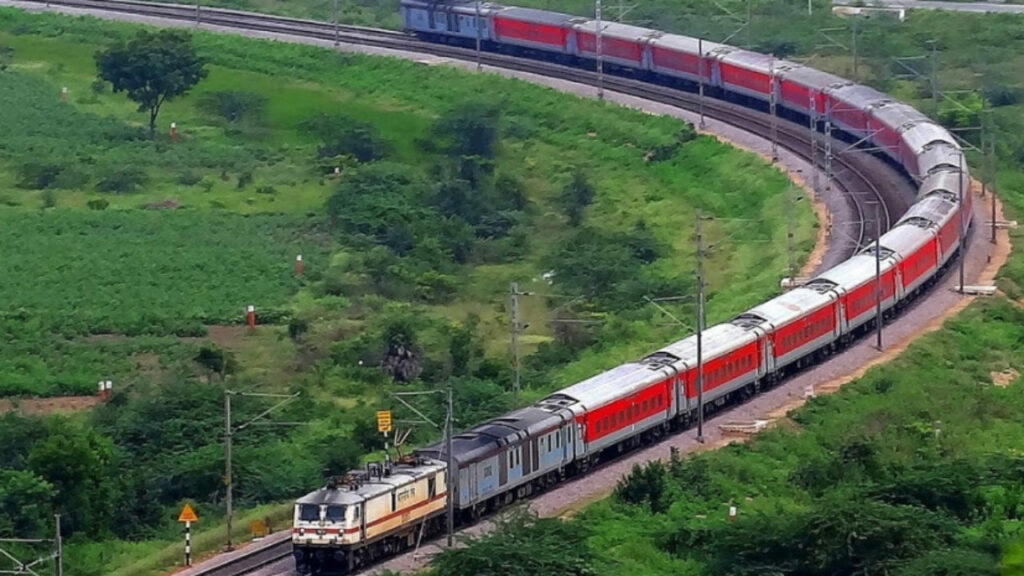
The corridors form a core part of the government’s broader infrastructure push, complementing other capital expenditure increases and transport investments announced in the budget. Markets reacted positively, with railway-related stocks gaining on expectations of increased investments and new opportunities for related industries.
What Are the Seven High-Speed Corridors?
The proposed high-speed rail (HSR) corridors will connect major cities across regions, reducing travel times and enhancing mobility. According to budget details, the seven corridors include:
- Mumbai–Pune – linking financial hubs in western India.
- Pune–Hyderabad – connecting Maharashtra with Telangana’s commercial centre.
- Hyderabad–Bengaluru – boosting links between tech and business hubs.
- Hyderabad–Chennai – enhancing connectivity to the southern port city.
- Chennai–Bengaluru – linking two major southern cities.
- Delhi–Varanasi – improving north-central corridor travel.
- Varanasi–Siliguri – expanding high-speed access to eastern and northeastern India.
These routes are strategically chosen to stitch together key metropolitan, industrial and cultural centres, creating shorter travel times and greater passenger convenience. By connecting these hubs, the corridors aim to facilitate commerce, tourism, and regional development.
Why High-Speed Rail Matters
The focus on high-speed rail reflects the government’s effort to modernise India’s transportation infrastructure and support sustainable mobility. Faster trains can shift passenger demand away from road and short-haul flights, reducing congestion and emissions, while enhancing connectivity across states.
Aside from passenger benefits, the high-speed rail initiative is expected to trigger a wave of investment in manufacturing, technology and rail-related services. Railway stock performance improved as investors anticipated growth in areas such as rolling stock, financing, and rail infrastructure services.
Complementary Freight and Logistics Plans
Alongside the passenger corridors, the budget also includes plans for improved freight movement with a dedicated east–west freight corridor connecting Dankuni and Surat, aiming to improve cargo logistics and reduce bottlenecks.
Looking Ahead
While exact timelines and investment details for these high-speed projects are yet to be finalised, their inclusion in the 2026-27 budget highlights India’s growing focus on world-class transport infrastructure. As planning, feasibility studies and clearances progress, these corridors could redefine inter-urban travel, economic connectivity and environmental sustainability in the decades to come.