The number of F-1 student visas issued to Indian students has dropped dramatically during the peak application season ahead of the US Fall semester. Data from the US Department of State shows a 69% decline in June–July 2025 compared with the same months in 2024.
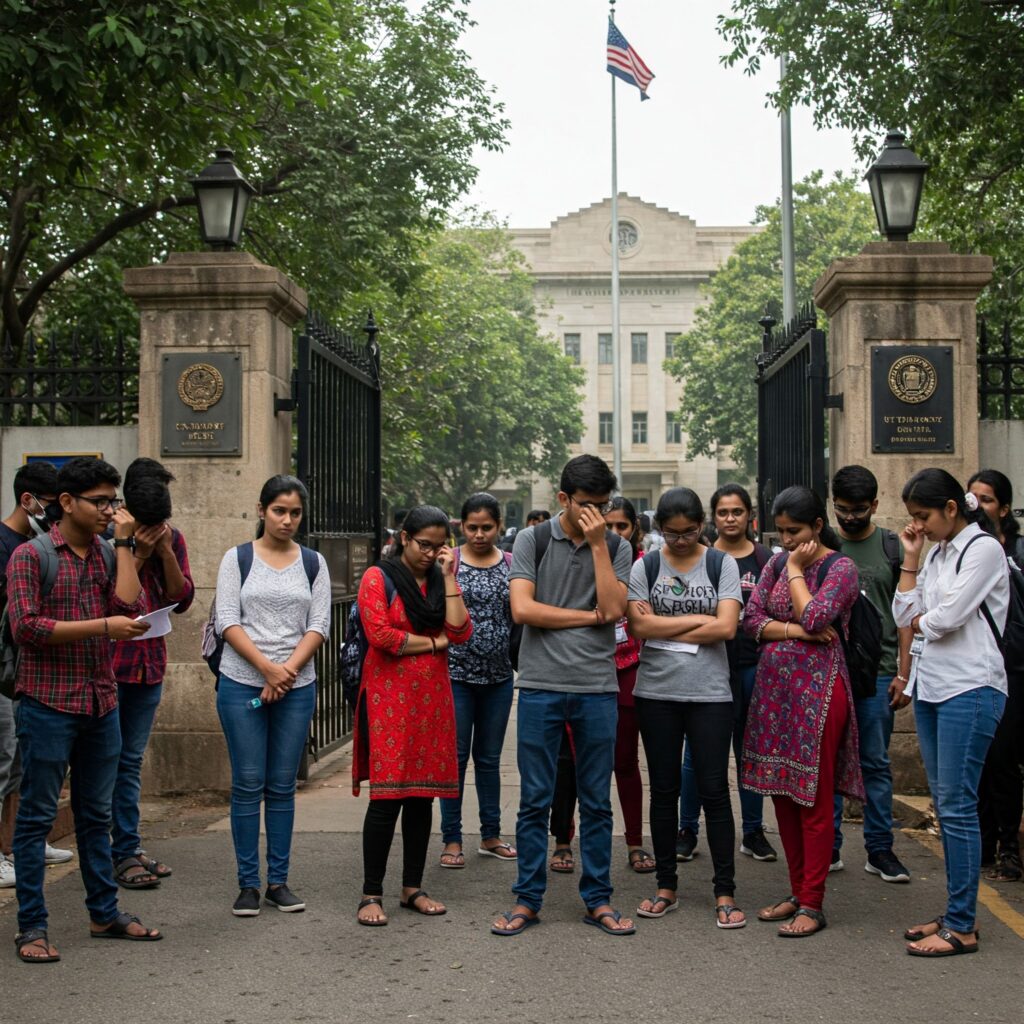
During these two months, only 12,776 visas were issued, compared with 41,336 visas the previous year. These months are particularly important because most international students secure visas just before universities begin their Fall academic session in August or September.
The sharp decline has raised concerns among students planning to study in the United States as well as American universities that rely heavily on international enrolments.
Policy Changes and Stricter Checks
One of the major reasons behind the drop is believed to be stricter immigration policies and visa screening procedures introduced by US authorities.
New requirements include deeper scrutiny of applicants’ backgrounds, including checks of social media accounts from the past five years. In some cases, applicants have been asked to keep their profiles publicly accessible for verification during the visa review process.
Such measures have made the visa approval process more rigorous, which may have contributed to the lower number of visas issued.
Temporary Pause in Visa Interviews
Another key factor behind the decline was the temporary suspension of visa interviews in May 2025, which created a backlog of applications.
Because the pause happened just weeks before the busiest visa processing months, many students were unable to complete the process in time for the Fall semester intake.
Impact on US Universities
International students contribute significantly to the US economy and higher-education system. Estimates suggest that foreign students generate about $43 billion annually through tuition fees, accommodation, and other expenses.
Indian students represent one of the largest international student groups in the United States, particularly in STEM and postgraduate programmes. A continued decline in visa approvals could therefore impact university enrolments and research programmes.
Changing Study Abroad Trends
The visa drop also highlights shifting trends in global education. Some students are increasingly considering alternative destinations such as Germany, the UK, and other European countries, which offer easier visa processes and competitive tuition costs.
While the United States remains a top destination for higher education, the recent visa decline suggests that policy changes and administrative delays can significantly influence students’ study-abroad decisions.