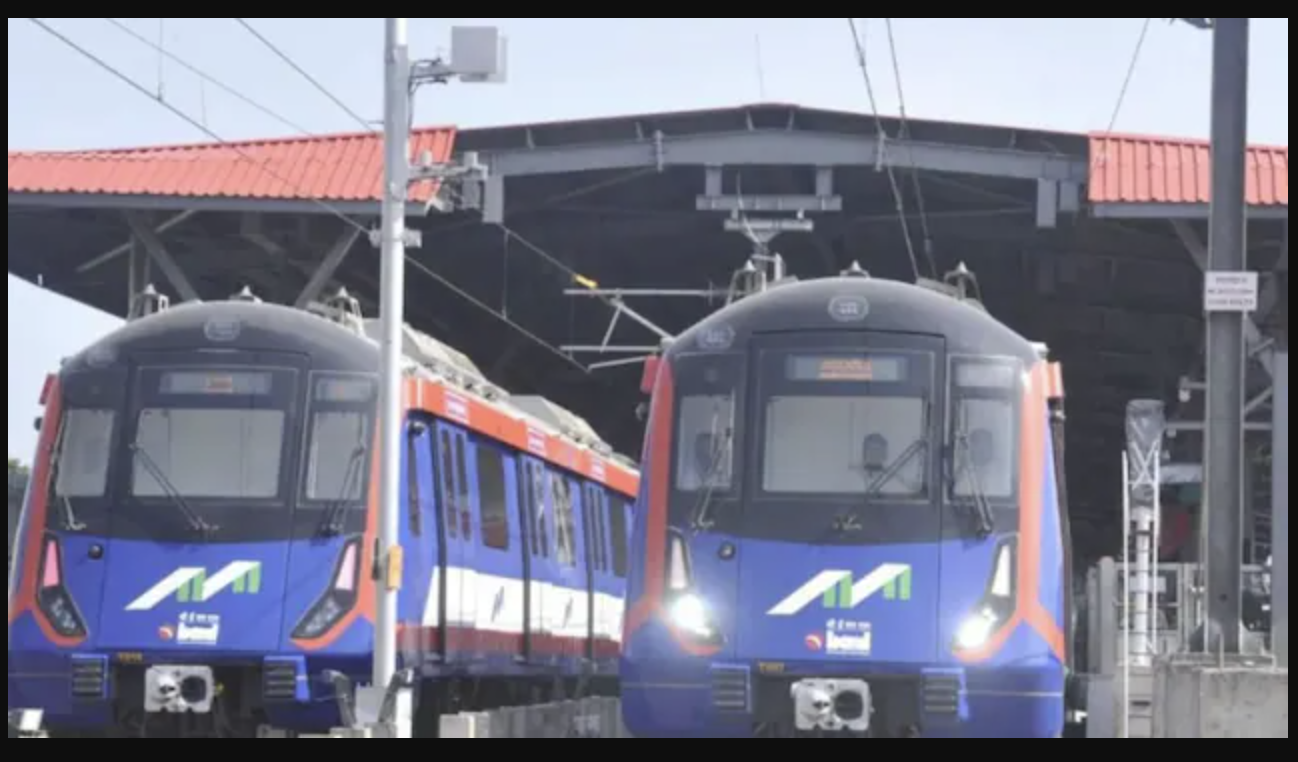
In a major move to improve regional connectivity, Railway Minister Ashwini Vaishnaw announced the introduction of 150 next-generation trains—100 MEMU (Mainline Electric Multiple Unit) and 50 Namo Bharat trains. The announcement reflects a renewed focus on expanding affordable and comfortable rail travel for short- and medium-distance passengers.

100 MEMU Trains to Be Manufactured in Telangana
The government has approved the manufacturing of 100 new MEMU trains with 16–20 coaches, up from the current 8–12. These trains will be built at a new factory in Kazipet, Telangana. MEMU trains are crucial for connecting non-urban and semi-urban areas, and the added capacity will help manage demand during peak and festive seasons.
Namo Bharat Trains Get a Bigger Push
Following positive public response to the existing Namo Bharat trains on the Ahmedabad–Bhuj and Jayanagar–Patna routes, 50 more of these fully air-conditioned, intercity trains will be introduced. These modern trains are designed for short-distance comfort and are part of the larger transformation of India’s passenger rail experience.
Amrit Bharat Trains Also Expanding
In addition to MEMU and Namo Bharat trains, the government is expanding its Amrit Bharat fleet. Three trains are already operational and have received a strong response from passengers. Six more are set to launch soon, and the production of 50 additional Amrit Bharat trains is already underway.
General Coaches Added for Affordable Travel
Highlighting the government’s continued focus on affordability, Vaishnaw noted that 1,200 general coaches were added last year to meet growing demand. Over 720 crore passengers used Indian Railways in 2024–25, indicating the massive scale and importance of rail travel in the country.
Conclusion: Better Connectivity on the Horizon
With this announcement, Indian Railways is signaling a significant leap in capacity and comfort for everyday travelers. The new MEMU, Namo Bharat, and Amrit Bharat trains are designed not just to expand service, but also to enhance travel quality, reduce congestion, and meet the growing mobility needs of India’s vast population.