In a sobering revelation ahead of World Diabetes Day 2025, a new nationwide analysis has found that one in every two Indians tested shows some form of blood sugar abnormality, highlighting the alarming rise of diabetes across the country. The report, released by PharmEasy, analysed over 4 million diagnostic reports and 19 million medicine orders across 29 Indian states and union territories.
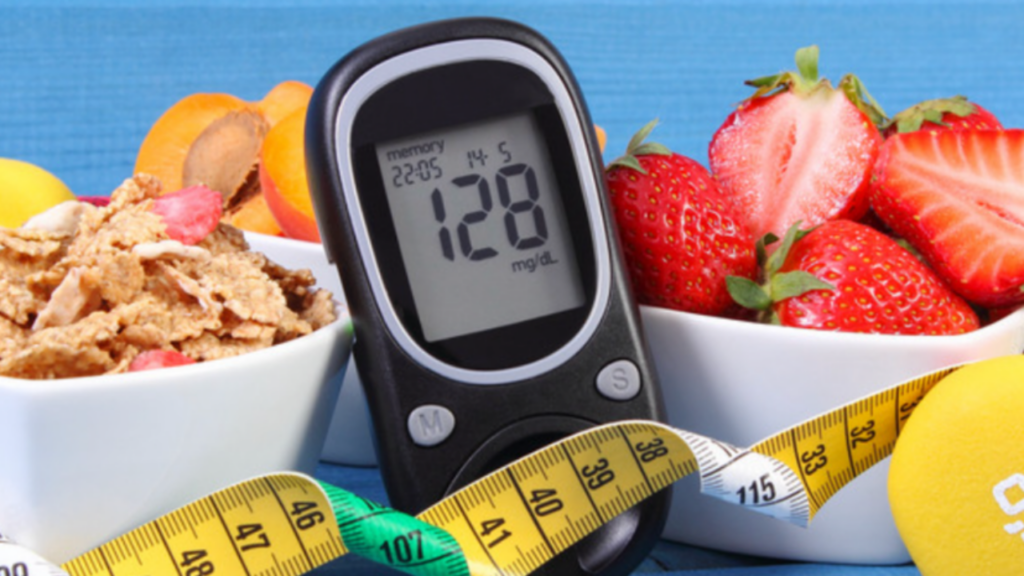
Half of Tested Indians Show Irregular Blood Sugar Levels
The report found that 1 in 3 HbA1c tests indicated diabetic levels, while 1 in 4 individuals were in the prediabetic range. More than 50% of all those tested showed signs of elevated or fluctuating blood sugar — a clear indication of how deeply diabetes has entrenched itself in India’s health landscape.
Experts warn that if not addressed urgently, diabetes could become India’s biggest public health challenge of the decade, especially as the condition increasingly affects younger populations.
Younger Indians Facing Rising Risk
The report titled “Diabetes: The Silent Killer Sweeping Across India” highlights a concerning shift — with a sharp rise in high blood sugar cases among those under 30.
Dr. Animesh Choudhary, MBBS, MD, cautioned that this trend could lead to early onset of complications such as heart disease, kidney failure, and vision loss.
He emphasized that diabetes prevention must begin in childhood by fostering healthy diets, regular exercise, and mental well-being.
Associated Health Risks: Thyroid, Liver, and Kidney Issues
Diabetes rarely comes alone. The analysis found that 1 in 4 diabetics had thyroid abnormalities, while 1 in 3 showed liver dysfunction. Nearly half exhibited kidney impairment, and around 90% had abnormal lipid profiles, increasing their risk of heart disease.
However, the study also noted hope: among those who retested within six months, 22% improved their sugar levels, and 61% maintained stability, proving that early intervention and lifestyle management can reverse or control the disease.
Men at Higher Risk, Southern States Hit Hardest
The gender gap remains significant — 51.9% of men tested had high blood sugar compared to 45.4% of women. Men are more prone due to abdominal fat, while women see spikes post-menopause due to hormonal changes.
Geographically, southern and coastal regions such as Puducherry (63%), Odisha (61%), Tamil Nadu (56%), and Goa (54%) reported the highest cases. Himachal Pradesh (41%) recorded the lowest.