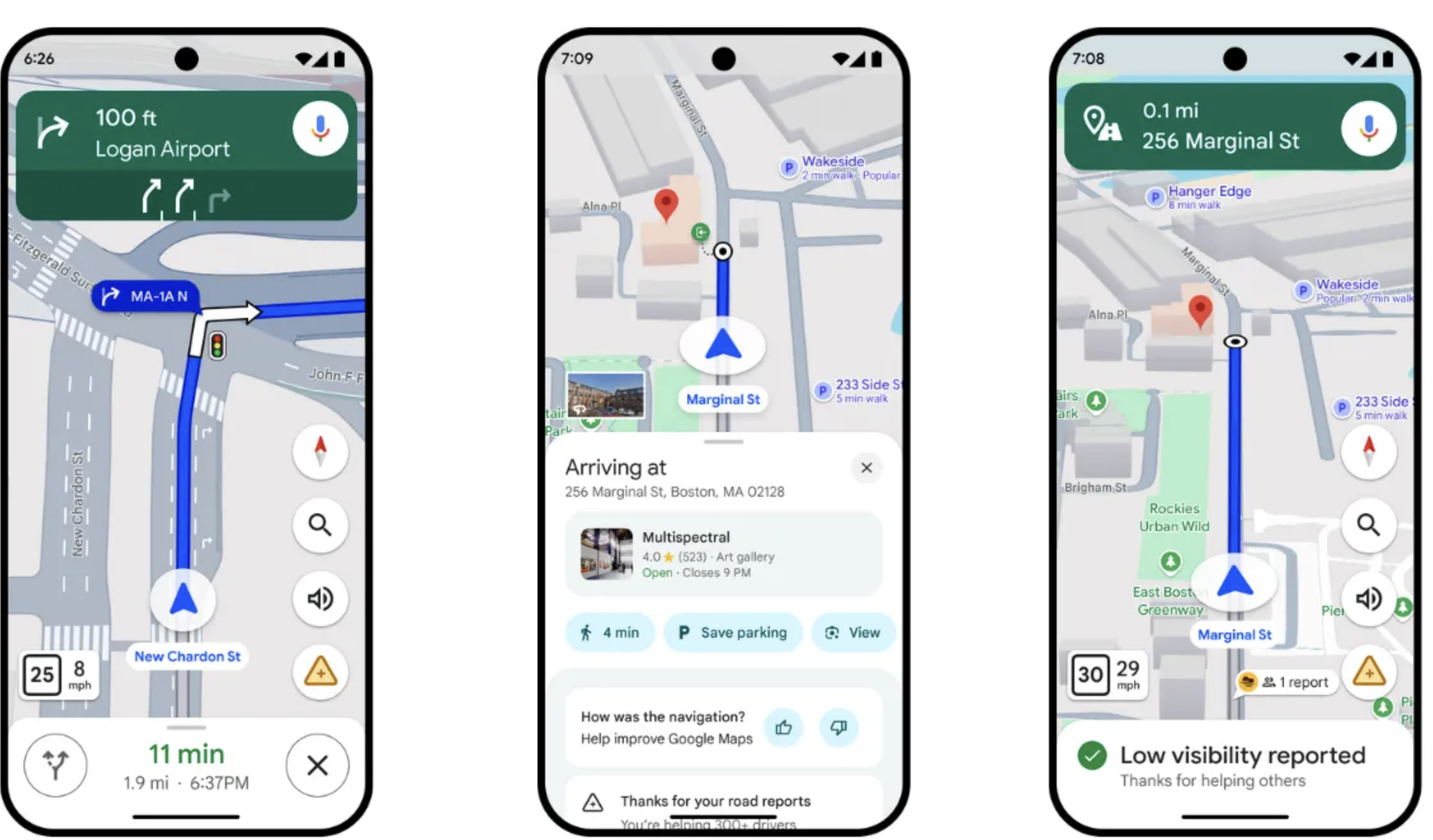
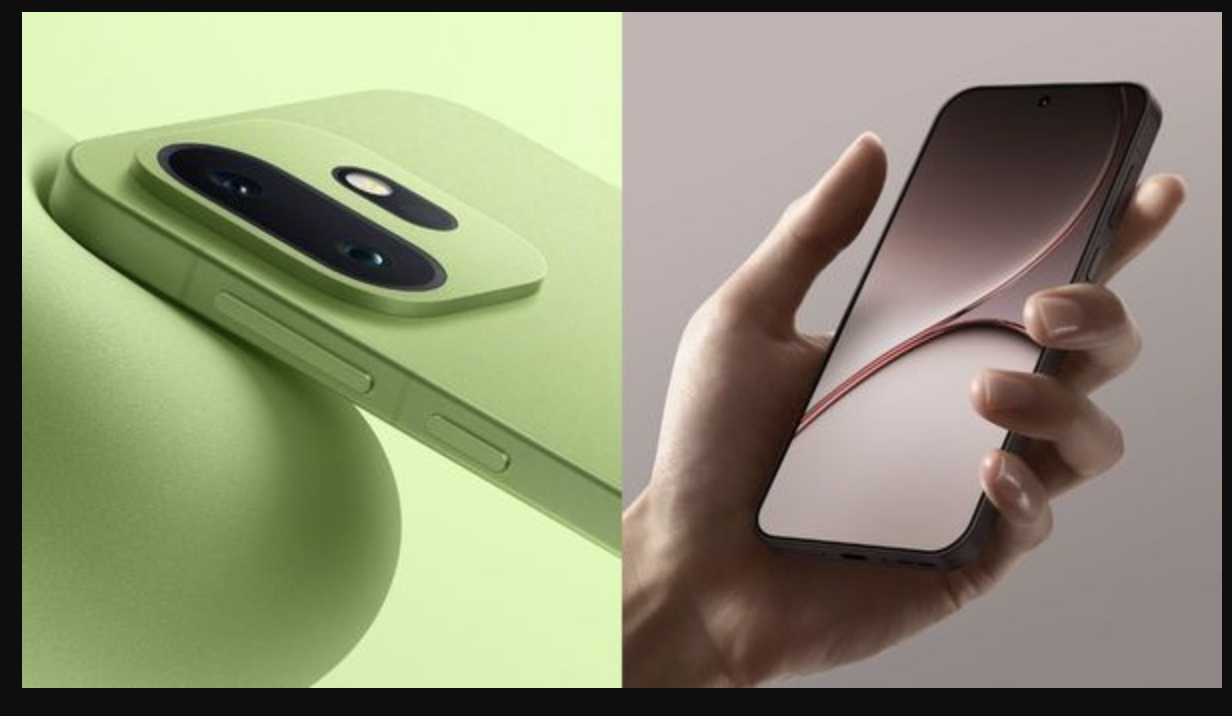
Technology no longer waits for our touch; it now walks beside us, quietly reading the room.
Acer FreeSense Ring: Wellness Without Weight
As personal tech becomes less intrusive, wearables like the Acer FreeSense Ring signal a shift toward subtle, continuous support. Crafted from lightweight titanium alloy, the slim ring offers round-the-clock health tracking without screens or distractions. Advanced biometric sensors monitor heart rate, blood oxygen, heart rate variability, and sleep, translating data into AI-driven wellness insights via a companion app. It reflects 2026’s focus on intelligence that blends seamlessly into daily life rather than demanding attention.
CL1: Computing With Living Neurons
At the frontier of innovation sits the CL1 by Cortical Labs, the world’s first commercially available biological computer. By integrating lab-grown human neurons with silicon hardware, the CL1 processes information biologically rather than through traditional code. Built on Synthetic Biological Intelligence, it learns dynamically through stimulation and response, offering extreme energy efficiency and adaptability. Designed as a research platform, it redefines what “thinking machines” can mean.
TB1 Smart Lamp: From Apps to Actions
The TB1 lighting system showcases how “apps” are giving way to intent-driven experiences. Powered by AI-based LightGPM 2.0, it creates precise lighting scenes using voice commands like “Hey Lepro.” Drawing on color psychology and real-time intent recognition, the TB1 adapts lighting for work, gaming, or relaxation. Integrated microphones and LightBeats sync lighting with music, turning ambience into an automated action rather than a manual setting.
Humane AI Pin: Reborn Through Open Source
Initially launched as a screenless, context-aware device, the Humane AI Pin faltered after its cloud services were discontinued. However, the emergence of PenumbraOS has revived its potential. Through reverse engineering, developers transformed it into an Android-based platform with modular assistants. The Pin’s reinvention highlights how community-led software can rescue ambitious hardware from obsolescence.
Light Phone III: Privacy as a Feature
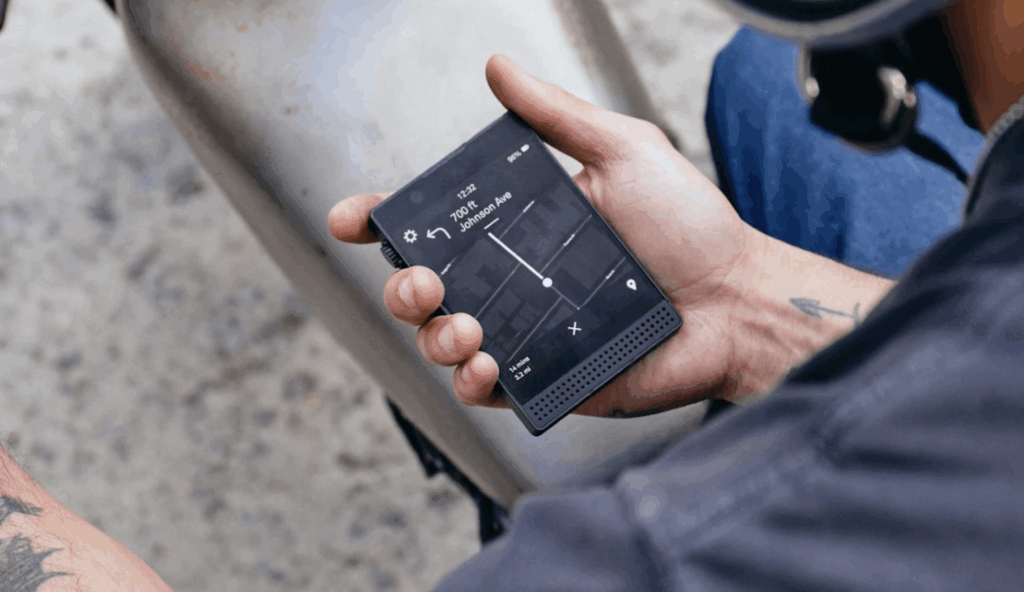
The Light Phone III embodies 2026’s emphasis on “Privacy by Design.” Featuring a minimalist black-and-white OLED display, it supports only essential functions such as calls, navigation, and notes. With local processing, a simple camera, and user-replaceable battery, it rejects digital excess. It positions “AI in your pocket” as something secure, intentional, and deeply personal.
In 2026, technology has stopped asking for our attention—and started understanding our intent.
Summary
The year 2026 marks a shift from screen-centric tech to ambient, privacy-focused devices. From health-tracking rings and biological computers to AI lighting, revived wearable pins, and minimalist phones, intelligence now lives on-device. With “Edge AI,” agentic actions, and local data processing, “AI in your pocket” has evolved into a quiet, trusted daily companion.