A recent survey on Blind, the anonymous app for professionals, revealed growing anxiety among Indian workers in the United States holding H-1B or L-1 visas. If forced to leave due to job loss, 45% said they would return to India, 26% would move to another country, while 29% remained undecided. The findings highlight how uncertainty over immigration rules is reshaping career and life decisions. The biggest concerns about leaving the US included a pay cut (25%), lower quality of life (24%), cultural or family adjustment (13%), and fewer job opportunities (10%). When asked whether they would choose a US work visa again, only 35% responded positively, while 65% were either unsure or negative, showing a shift in sentiment regarding the value of American immigration.
Visa Struggles Intensify as Indians Confront Deportation and Policy Shifts
This discontent stems from personal experiences. Over one-third (35%) said they or someone they knew had been forced to leave the US after a job loss, often during the short 60-day grace period. Alarmingly, many reported that deportation notices were being issued before the grace period ended. One in six said they or someone close had received a Notice to Appear within weeks of losing a job, raising fears of permanent bans. Immigration lawyers now advise departing quickly after termination to avoid such risks.
Adding to tensions, Donald Trump’s recent call for US companies to “stop hiring in India” sparked strong reactions. The survey found 63% of US-based professionals believed the move could benefit their firms, while 69% of India-based respondents felt it would hurt their companies.
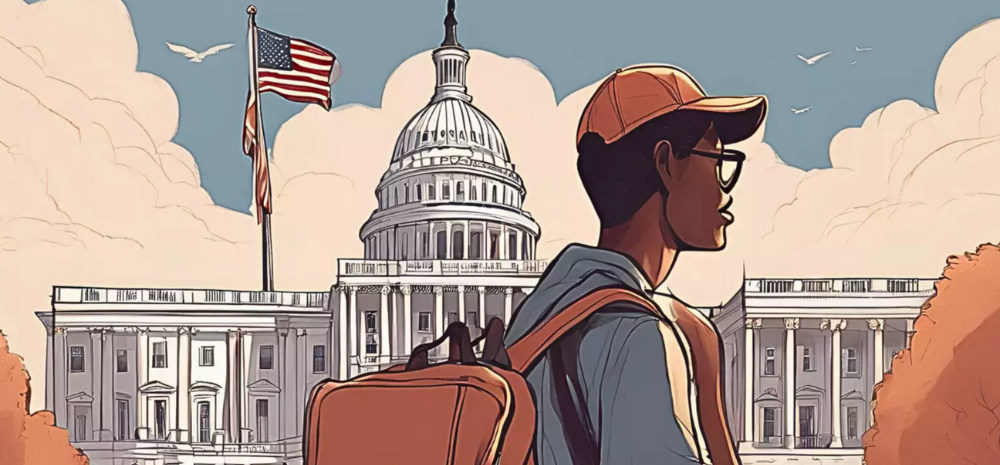
Policy Shift May Deter International Students from US Careers
Meanwhile, visa policy changes may further complicate matters. On August 8, 2025, the US Office of Information and Regulatory Affairs cleared a proposal for a wage-based H-1B selection system, replacing the current lottery. This approach, similar to one attempted in 2021, would prioritize higher salaries, potentially leaving entry-level applicants and recent graduates at a severe disadvantage. Currently, 85,000 H-1B visas are issued annually, mostly used by technology companies. Experts warn that such a shift could make US education and early-career opportunities less attractive for international talent.
Summary:
Indian H-1B and L-1 workers face rising uncertainty as surveys show many would return to India if jobs end. Deportation risks, shrinking grace periods, and Trump’s anti-outsourcing remarks intensify concerns. Proposed wage-based H-1B selection could disadvantage entry-level talent, making US education and career prospects less attractive for internationals.