The latest “State of Counterfeiting in India 2025” report released by the Authentication Solution Providers’ Association (ASPA) in collaboration with CRISIL Intelligence indicates that an alarming almost 9 out of 10 urban consumers (89%) admitted to having purchased a counterfeit product at least once in their lifetime.”
Alarming Availability Of Fake Products In India
If we look into the numbers, almost 35 per cent of consumers in India have reported encountering fake products in the past year.
The results are shown by the nationwide study, based on a consumer survey of 1,639 respondents across nine major Indian cities – Delhi, Mumbai, Chennai, Bengaluru, Hyderabad, Kolkata, Ahmedabad, Jaipur and Indore.
Which further highlights the growing scale, changing channels, and increasing consumer awareness regarding counterfeit products across multiple industries.
Affecting Apparel, Daily Consumer Goods, Automotive Parts, Medicine, Agriculture Industry
Out of these, the apparel sector emerges as one of the most affected categories, with 31 per cent of consumers reporting that they encountered or purchased fake apparel in the past 12 months.
This is reflecting the high prevalence of fake fashion products in both online and offline markets.
The report indicates that counterfeiting is increasingly visible even in daily-use consumer goods.
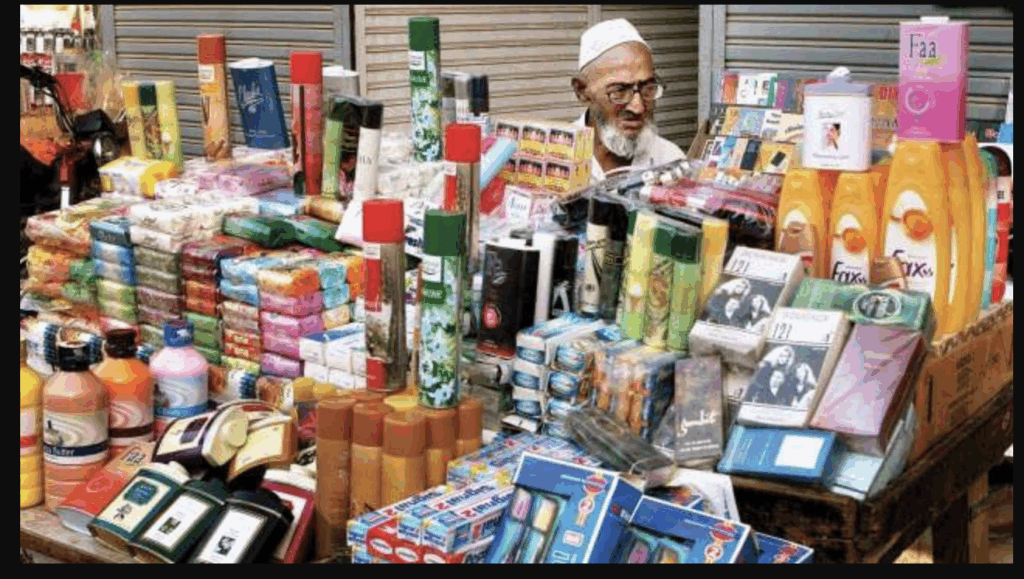
Out of the total respondent, 27 per cent of consumers reported encountering counterfeit FMCG products within the last year. This is dangerous as it is highlighting the risks in everyday household products such as packaged food, personal care, and home care items.
About 22 per cent of respondents informed about encountering counterfeit automotive parts which highlights the risks associated with fake spare parts in the vehicle replacement market.
It also indicates that the fast-growing appliances and electronics segment is also vulnerable.
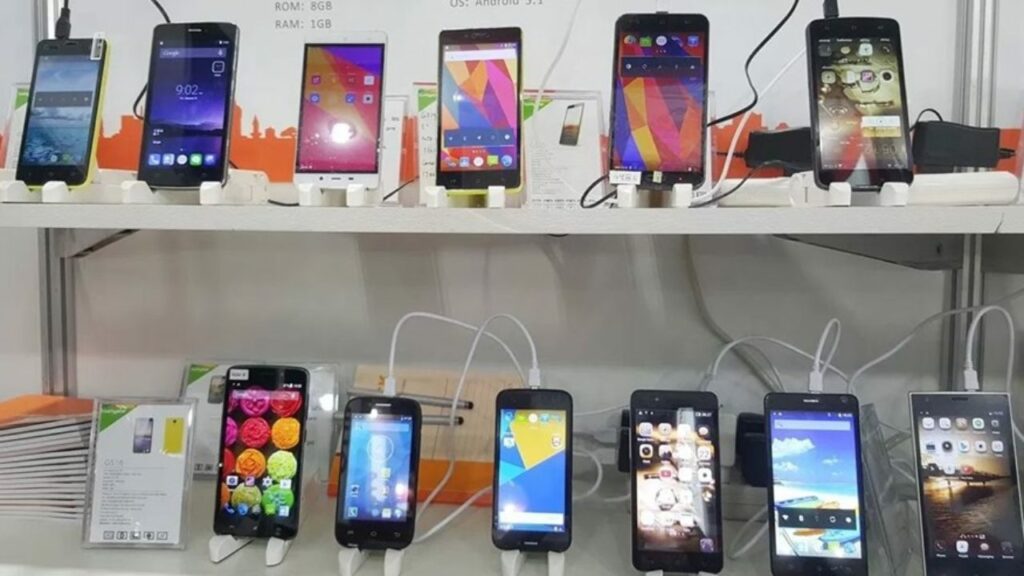
Over 18 per cent of consumers reported encountering counterfeit consumer durable products, with over half of such exposure occurring through online channels.
There are also serious public health concerns as counterfeit medicines are estimated to account for around 28 per cent of the market.
Besides this, the presence of Counterfeit agro-products will continue to threaten farm productivity and rural incomes.
About 35 per cent of farmers have encountered counterfeit agro-products, and farmers estimate that close to 30 per cent of agro-inputs available in the market may be counterfeit, raising concerns for crop yield, farmer trust, and food security as per this study.