India’s recent trade agreement with the United States, under which U.S. tariffs on Indian goods were reduced to about 18 %, positions Indian exporters favourably compared to several regional peers.
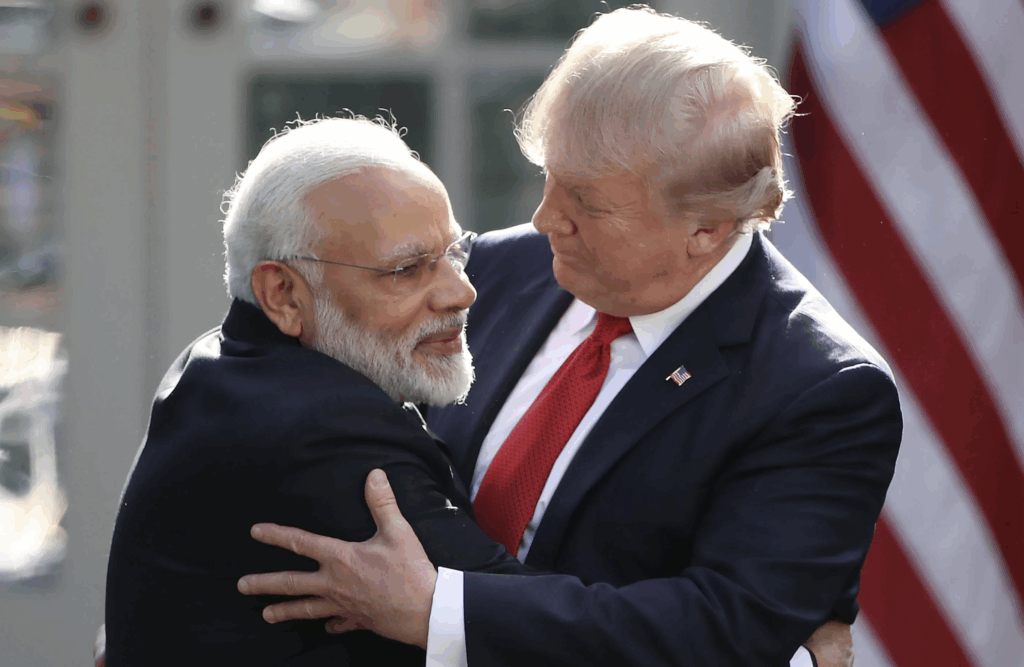
Here are three key reasons this deal gives India a competitive edge over countries like Pakistan, China and Bangladesh:
1. Lower U.S. Tariffs Than Regional Competitors
Under the new trade deal, the U.S. has agreed to cut reciprocal tariff rates on Indian exports to around 18 %, significantly lower than the tariffs applied to some neighbouring competitors. Reuters reports that this rate is lower than the tariffs still faced by countries such as Pakistan and China — typically closer to or above 19–20 % under U.S. tariff schedules. Being able to export to the world’s largest consumer market at a lower duty rate enhances India’s price competitiveness relative to these peers.
Reducing U.S. tariffs means Indian goods become more affordable to American buyers compared with similar products from Pakistan, China, and Bangladesh. Lower duties can translate into higher export volumes, improved market share, and stronger penetration of sectors such as textiles, engineering goods, chemicals and more — industries where cost competitiveness matters significantly.
2. Preferential Market Access Encourages Export Growth
By securing rates below those of other developing exporters, India is likely to attract greater foreign direct investment (FDI) and long-term buyer relationships. Lower trade barriers increase the predictability of returns for multinational companies that source from India, incentivising them to expand supply chains around Indian production hubs instead of shifting orders to competitors whose goods still carry higher U.S. duties.
This advantage comes at a time when global companies are actively diversifying supply chains away from China due to geopolitical tensions and tariff uncertainties. India’s tariff concessions strengthen its case as an alternative export base in Asia for American importers.
3. Stronger Political and Economic Partnership
Beyond tariff figures, the trade deal signals a deepening strategic relationship between India and the U.S., which can further boost political trust and economic cooperation — encouraging U.S. firms to prioritise Indian suppliers. This broader partnership context helps India stand apart from neighbours such as Pakistan and Bangladesh, whose trade relations with the U.S. are comparatively limited and less strategically integrated.
Additionally, India’s agreement to reduce barriers on U.S. imports complements the tariff cuts, creating mutually beneficial market access. This reciprocal openness is less developed with China, Pakistan or Bangladesh, meaning India’s bilateral engagement with the U.S. is now uniquely aligned for export expansion and investment flows.