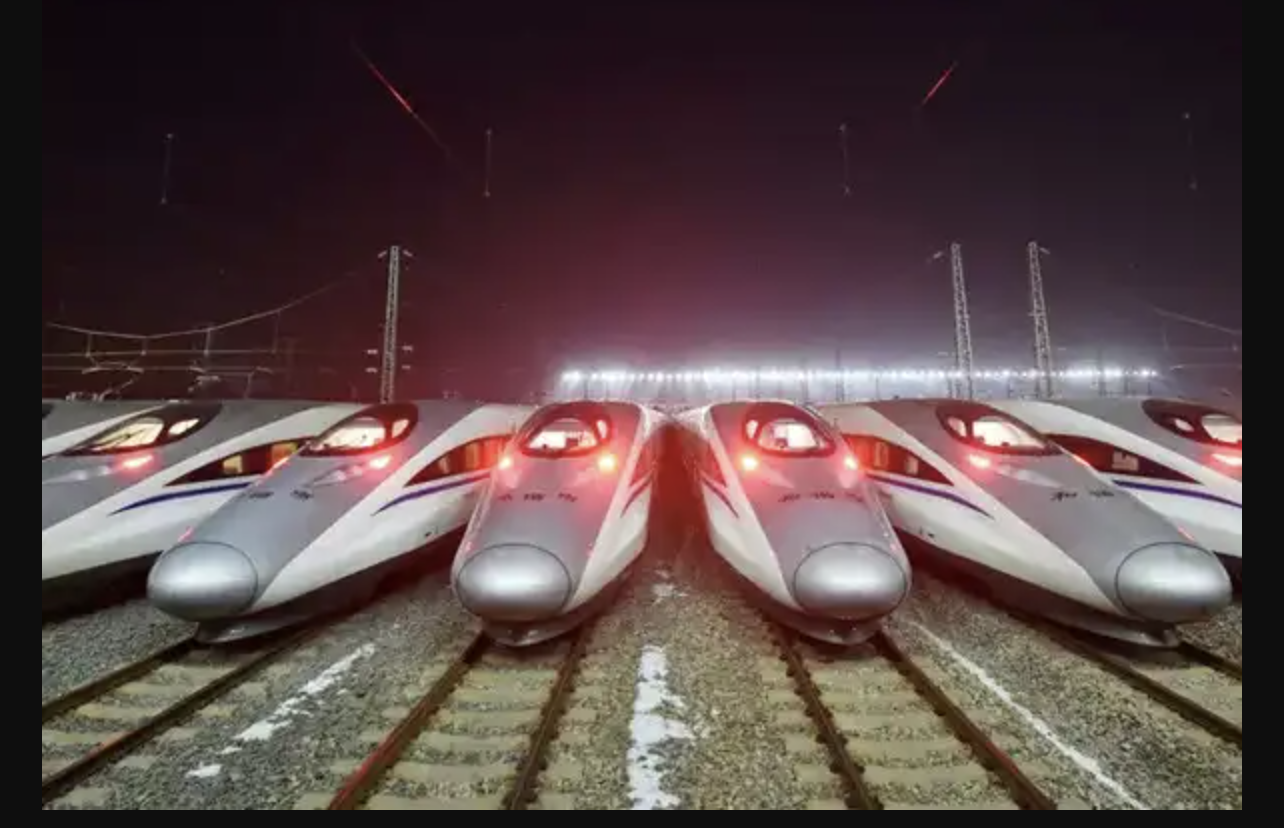
Union Minister Nitin Gadkari has outlined a transformative vision for India’s transport sector, focusing on green, efficient, and futuristic mobility solutions. Central to this roadmap are next-generation initiatives like electric rapid transport systems, hyperloop corridors in urban areas, and the implementation of ropeways, cable cars, and funicular railways in hilly and remote regions such as Kedarnath. Already, 60 out of 360 proposed projects have commenced.

Highway Expansion & Green Mobility: India’s Road to a Sustainable Future
Gadkari revealed that major efforts are underway to upgrade 25,000 km of two-lane highways into four-lane ones and achieve a daily road construction target of 100 km. The national highway length has grown by 60% since 2013-14, reaching 1.46 lakh km, while High-Speed Corridors (HSC) expanded from 93 km to 2,474 km. The government also plans to plant up to 25 crore trees along highways, transplanting old trees and planting five for every one cut, with a tree bank proposal awaiting final clearance.
To support environmental goals, pilot projects like electric buses with airline-grade amenities are in progress. A 135-seater e-bus pilot is underway in Nagpur, designed to operate at 120–125 km/hr with fast-charging capabilities and 30% lower costs than diesel buses. These buses are planned for expansion on major routes like Delhi-Jaipur, Mumbai-Pune, and Bangalore-Chennai.
Tech-Driven Safety and Flex-Fuel Shift Powering India’s Transport Revolution
The minister highlighted technological innovations such as precast road construction, AI-based safety systems, drones, and surveillance cameras to enhance safety and efficiency. Over 670 roadside amenities have been approved to improve highway travel comfort.
Additionally, 11 automakers, including Tata, Toyota, Hyundai, and Mahindra, have committed to developing flex-fuel engine vehicles, reducing India’s dependency on fossil fuels and fuel imports. Flex-fuel vehicles can run on ethanol, methanol, and petrol blends.
Revolutionizing Transport for a Greener, Cost-Efficient India
Gadkari emphasized that these projects will revolutionize mass transport, improve logistics, cut costs from 14% to 9% of GDP, and significantly lower pollution—especially since transport contributes nearly 40% to India’s air pollution. With strong investor interest and emerging technologies, the minister is confident that Indian roads will soon rival those in the U.S. in quality and innovation.
Summary:
Union Minister Nitin Gadkari unveiled a transformative plan for India’s transport sector, featuring electric rapid transit, hyperloop, and flex-fuel vehicles. Key goals include upgrading 25,000 km of roads, cutting logistics costs, reducing pollution, and introducing AI-driven safety. The vision aims to create a greener, efficient, and future-ready transport network.