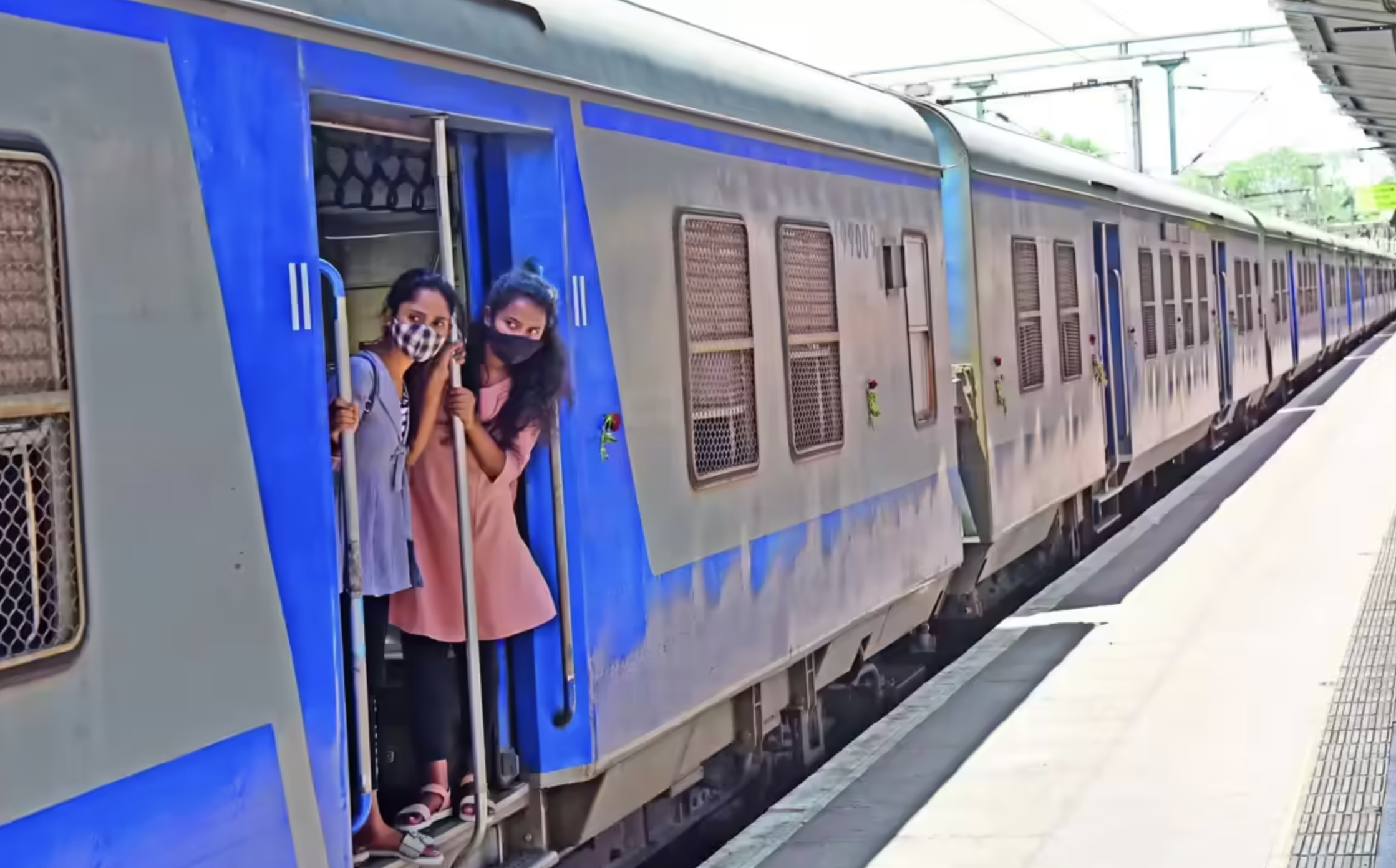
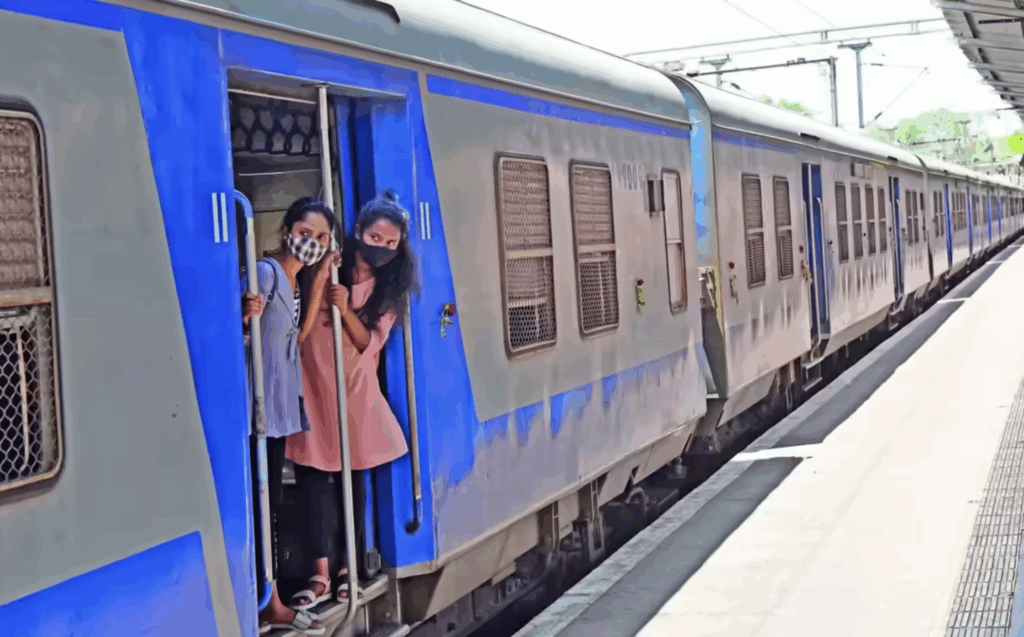
Indian Railways is set for a significant operational transformation. Union Railway Minister Ashwini Vaishnav recently announced that 200 new MEMU (Mainline Electric Multiple Unit) trains are currently under manufacturing to replace traditional Intercity Express services. This strategic shift marks a critical step in modernizing India’s rail network, but it raises important questions about feasibility, costs, and passenger impact.
Why This Change Is Necessary
The current Intercity Express fleet represents aging infrastructure, with many trains operating beyond their optimal lifespan. MEMU trains—self-propelled electric units that don’t require separate locomotives—offer superior efficiency. They reduce operational complexity, minimize fuel consumption, and enable faster acceleration and deceleration. For a railway network serving over 1 billion journeys annually, modernization isn’t just desirable; it’s essential for capacity and safety.
The Financial Reality
This transformation demands substantial investment. Manufacturing 200 MEMU trains involves significant capital expenditure, estimated in thousands of crores. Additionally, railways must upgrade existing tracks and electrification infrastructure where gaps remain. Maintenance costs will differ from traditional locomotives, potentially offering long-term savings through reduced fuel dependency and simpler mechanical systems. However, the upfront costs are considerable and require careful budget allocation amid competing infrastructure priorities.
Benefits for Passengers
The advantages are tangible. MEMU trains promise faster journey times due to better acceleration characteristics. They offer improved frequency on routes, reducing crowding on peak services. Passengers will likely experience better comfort from modern coaches with improved ventilation, lighting, and seating. Electrification also means quieter, cleaner operations—a win for both urban areas and the environment.
Potential Challenges
The transition isn’t without complications. Route electrification requirements mean some areas may face temporary service disruptions. MEMU-specific training for railway staff demands time and resources. Not all routes may justify MEMU replacement immediately, potentially creating operational complexities during the transition period.
The Verdict
Replacing Intercity Express trains with MEMU units is strategically sound and long overdue. While the financial burden is real, the operational efficiencies and passenger benefits justify the investment. This modernization aligns with global railway standards and India’s broader infrastructure ambitions.
However, success depends on execution. Timely manufacturing, coordinated electrification, and staff training are critical. If implemented effectively, these 200 MEMU trains will represent a transformative moment for Indian Railways—one that improves service quality while building sustainable, efficient mass transit infrastructure.
The question isn’t whether this change is necessary, but how quickly railways can scale it across more routes.