India’s civil aviation sector is on the brink of expansion with the entry of two new carriers — Al Hind Airlines and FlyExpress. Both carriers have received regulatory approvals and are gearing up to launch commercial operations soon, adding fresh competition to the domestic airline market and offering passengers more travel options.
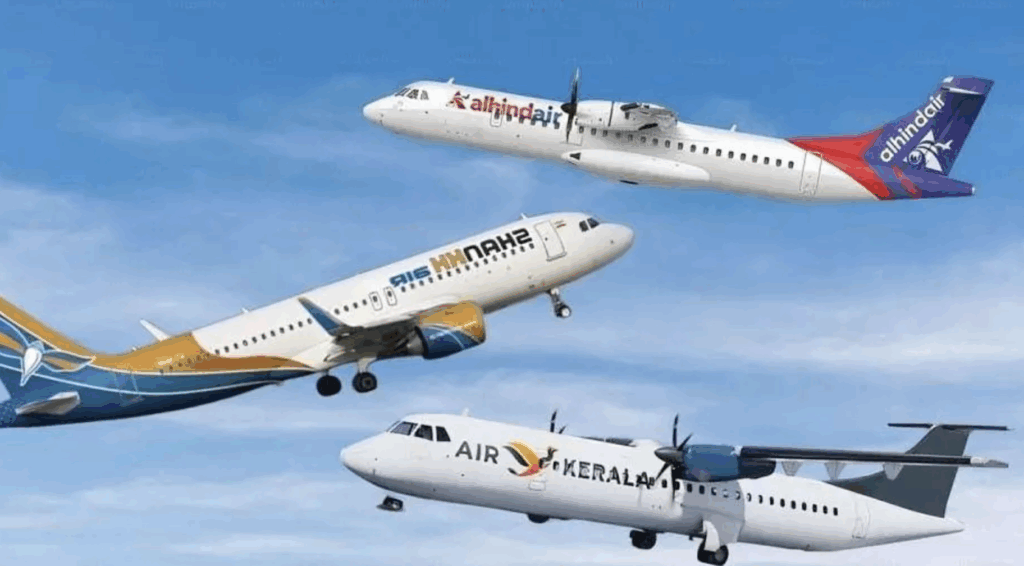
Al Hind Airlines: A New Full-Service Player
Al Hind Airlines is emerging as a full-service carrier that aims to combine comfort with affordability. The airline is currently in the advanced stages of securing necessary clearances, aircraft leases, and operational infrastructure. Its planned network is expected to cover major Indian metros as well as tier-2 cities, catering to both business and leisure travellers.
Positioning itself as a service-oriented airline, Al Hind is expected to focus on comprehensive passenger experience, including in-flight meals, baggage allowances, and customer care features that align with full-service expectations.
FlyExpress: A Low-Cost Contender
FlyExpress, on the other hand, is being developed as a low-cost carrier (LCC), designed to appeal to price-conscious flyers and frequent travellers. With the Indian aviation market already embracing budget airlines, FlyExpress aims to enter the fray with competitive fares and a no-frills model that prioritises efficiency and affordability.
The airline is expected to operate a fleet of narrow-body aircraft suitable for short and medium-haul routes — ideal for domestic travel across India. Its business strategy will likely focus on high turnaround times and strong network connectivity between major cities and emerging aviation markets.
Why This Matters for Indian Aviation
The entry of Al Hind and FlyExpress comes at a time when India’s aviation market is rapidly growing, driven by rising disposable incomes, expanding tourism, and increased demand for air travel. New airlines can help:
- Increase competition, potentially leading to lower fares and more choices for passengers.
- Expand connectivity to under-served destinations.
- Create employment within the aviation ecosystem, from flight crews to ground staff.
- Support regional growth as more cities gain scheduled air services.
The government’s push to enhance connectivity and improve airport infrastructure has also contributed to making India an attractive market for new carriers.
Challenges Ahead
Despite the optimism, both airlines face operational hurdles. Establishing a new airline requires substantial investment, regulatory compliance, crew training, maintenance capabilities, and market penetration in a space dominated by established players. Profitability in aviation can be challenging due to fuel costs, pricing pressures, and infrastructure constraints.
Conclusion
With Al Hind Airlines and FlyExpress preparing to launch operations, Indian air travellers can soon expect more choices, better connectivity, and potentially competitive pricing. These new entrants signify confidence in the strength and future of India’s aviation industry, as demand continues to grow and the market landscape evolves.