The United States has recorded a sharp 19% fall in international student arrivals this August compared to last year — the steepest drop outside the COVID-19 years. The decline is causing alarm across U.S. universities, many of which rely heavily on foreign enrollments for both revenue and research talent.
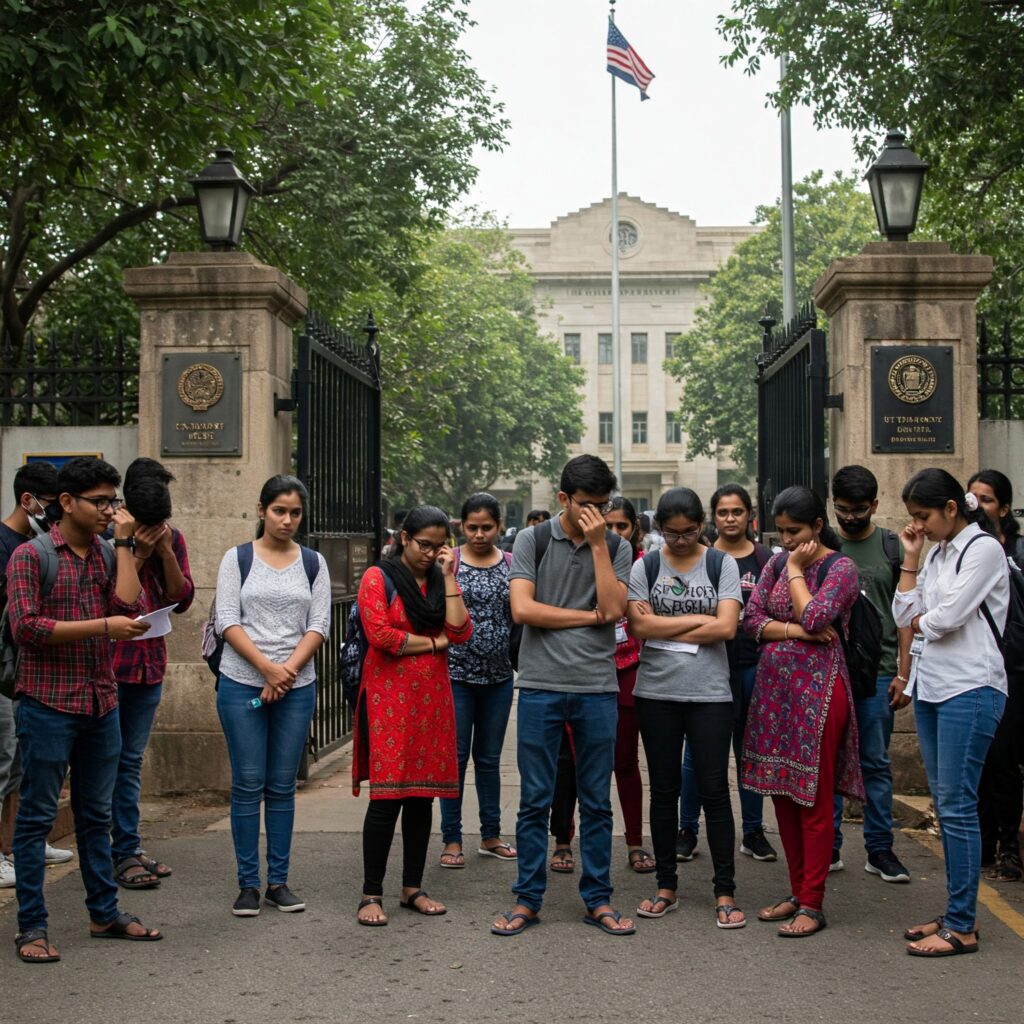
Visa Delays and Policy Barriers
Experts blame a mix of administrative hurdles and restrictive immigration policies for the decline. The Trump administration’s measures — including long visa interview delays, new travel bans on 19 countries, and stricter vetting of student visa applicants — have created significant obstacles.
Some students have waited months for visa appointments, while others faced sudden policy shifts like threats of deportation for pro-Palestinian speech or abrupt visa cancellations. Together, these actions have fostered an atmosphere of uncertainty, discouraging many students from pursuing U.S. education.
Sharpest Declines from Asia
The drop is particularly stark among Asian students, who make up over 70% of America’s international student body. Arrivals from Asia plunged by 24%, while Indian students — who account for nearly one-third of foreign students in the U.S. — saw a staggering 44% decline.
Chinese student numbers have also fallen amid strained U.S.-China relations and tougher visa scrutiny.
Financial and Academic Impact on Universities
The decline is already being felt on campuses. Smaller arts and Christian colleges, as well as public universities that depend on higher foreign tuition fees, are especially vulnerable.
Graduate programs in STEM fields may face shortages, as international students often fill key teaching and research positions. A prolonged slump could leave critical academic and research roles vacant, impacting innovation and undergraduate education.
Warning Sign for the Future
With final enrollment data for the academic year still pending, the August figures serve as an early warning. If the trend continues, U.S. universities — and the broader economy — could face long-term consequences, including reduced financial stability, talent shortages, and diminished global competitiveness.