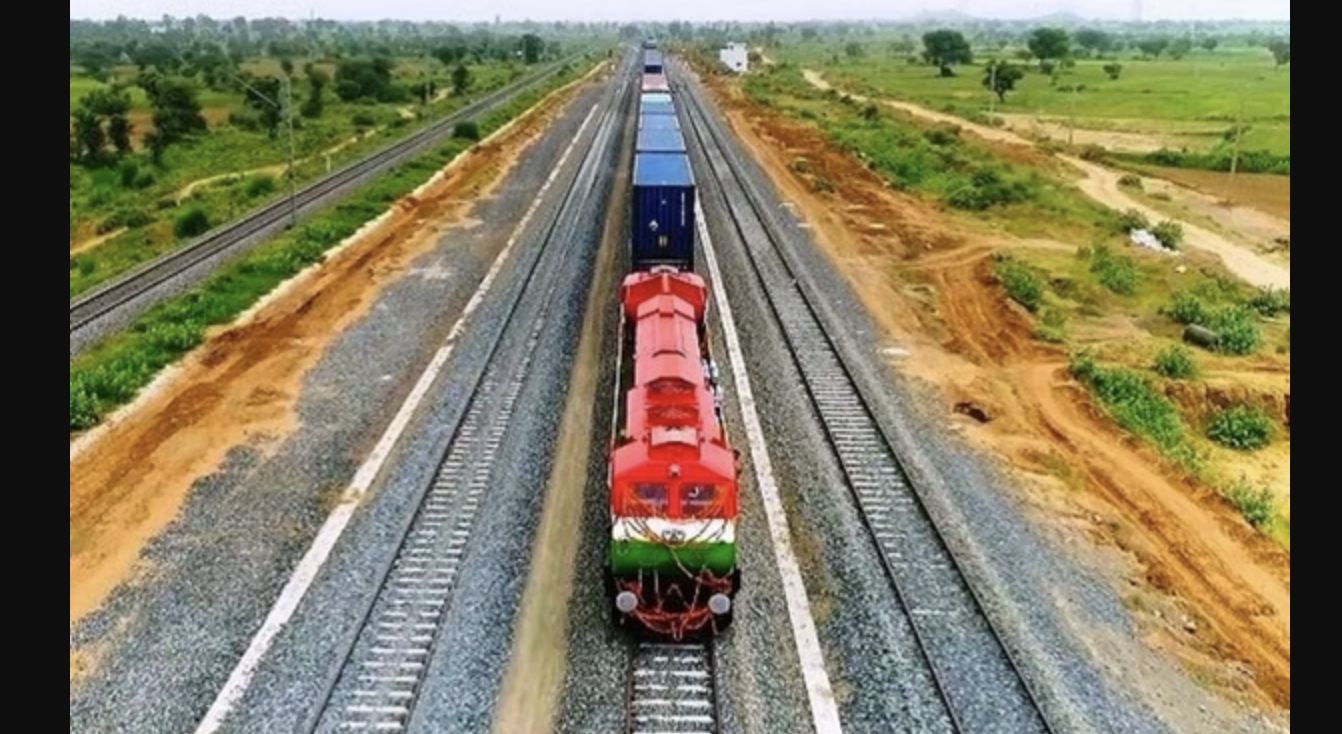
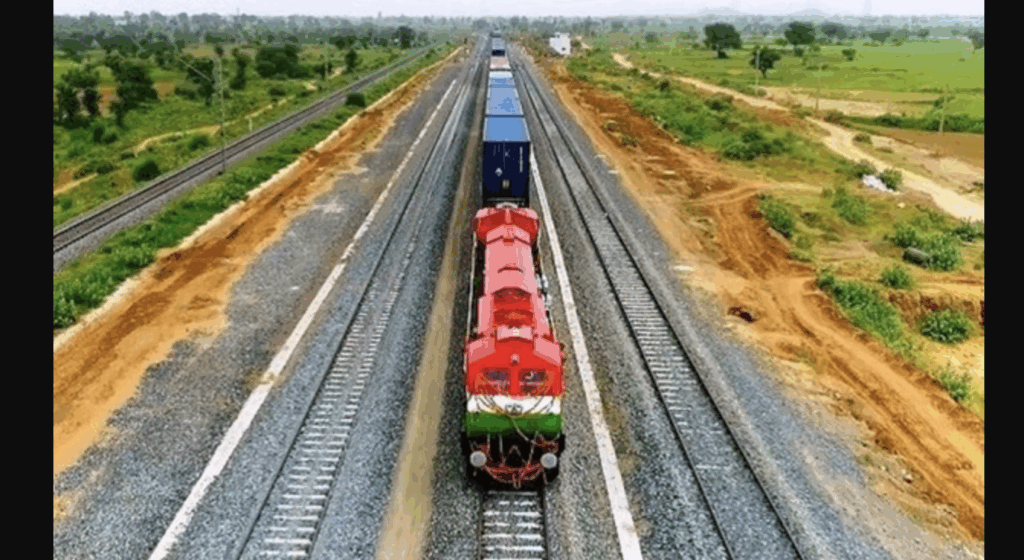
In a landmark achievement, Indian Railways has fully completed the Western Dedicated Freight Corridor (WDFC)—one of the country’s most ambitious infrastructure projects aimed at transforming freight transportation. The corridor now runs seamlessly from Dadri in Uttar Pradesh to Jawaharlal Nehru Port (JNPT) in Mumbai, covering over 1,500 km.
What Is the Western Dedicated Freight Corridor?
The WDFC is a dedicated railway network exclusively for goods trains, designed to separate freight traffic from passenger routes.
- Connects major industrial hubs in North India to western ports
- Built and operated by Dedicated Freight Corridor Corporation of India (DFCCIL)
- Part of India’s larger logistics modernization push
By moving cargo trains to a separate track, the project reduces congestion on existing railway lines and improves overall efficiency.
Capacity Set to Double, Speed to Improve
One of the biggest impacts of the corridor is a massive boost in freight capacity.
- Freight train capacity is expected to double
- Average speeds rise significantly (50–70 km/h vs ~25 km/h earlier)
- Supports longer and heavier trains, including double-stack containers
This means goods—from coal and cement to containers—can now move faster, cheaper, and more reliably across the country.
Key Benefits for Indian Railways
The completion of the WDFC is expected to deliver multiple system-wide benefits:
1. Decongestion of Passenger Routes
Freight trains shifting to the corridor will free up existing tracks, allowing:
- More passenger trains
- Better punctuality
2. Lower Logistics Costs
Efficient freight movement will reduce transportation costs, helping industries and boosting competitiveness.
3. Boost to Economy and Trade
The corridor links industrial zones with ports, strengthening exports and supply chains.
A Long Journey to Completion
The project, first conceptualized in the mid-2000s, faced multiple delays due to:
- Land acquisition challenges
- Funding and coordination issues
- Technical complexities in the final stretch
The last leg connecting Maharashtra to JNPT was completed after final signaling and electrification work, marking full commissioning in 2026.
Part of a Bigger Freight Revolution
The Western corridor is the second major freight corridor to be completed, after the Eastern Dedicated Freight Corridor. Together, these projects form the backbone of India’s logistics transformation.
They are also expected to:
- Increase rail’s share in freight transport
- Reduce road congestion and emissions
- Strengthen India’s multimodal logistics ecosystem
What This Means for India
With the WDFC now operational, India takes a major step toward:
- Faster goods movement across states
- Improved industrial productivity
- A more efficient and globally competitive supply chain
The milestone signals a shift from traditional rail operations to a modern, high-capacity freight network.
60-Word Summary
Indian Railways has completed the Western Dedicated Freight Corridor, a 1,500+ km dedicated goods railway from Dadri to JNPT. The project will double freight capacity, increase train speeds, and decongest passenger routes. By improving logistics efficiency and reducing costs, the corridor is set to boost trade, strengthen supply chains, and transform India’s rail freight ecosystem.