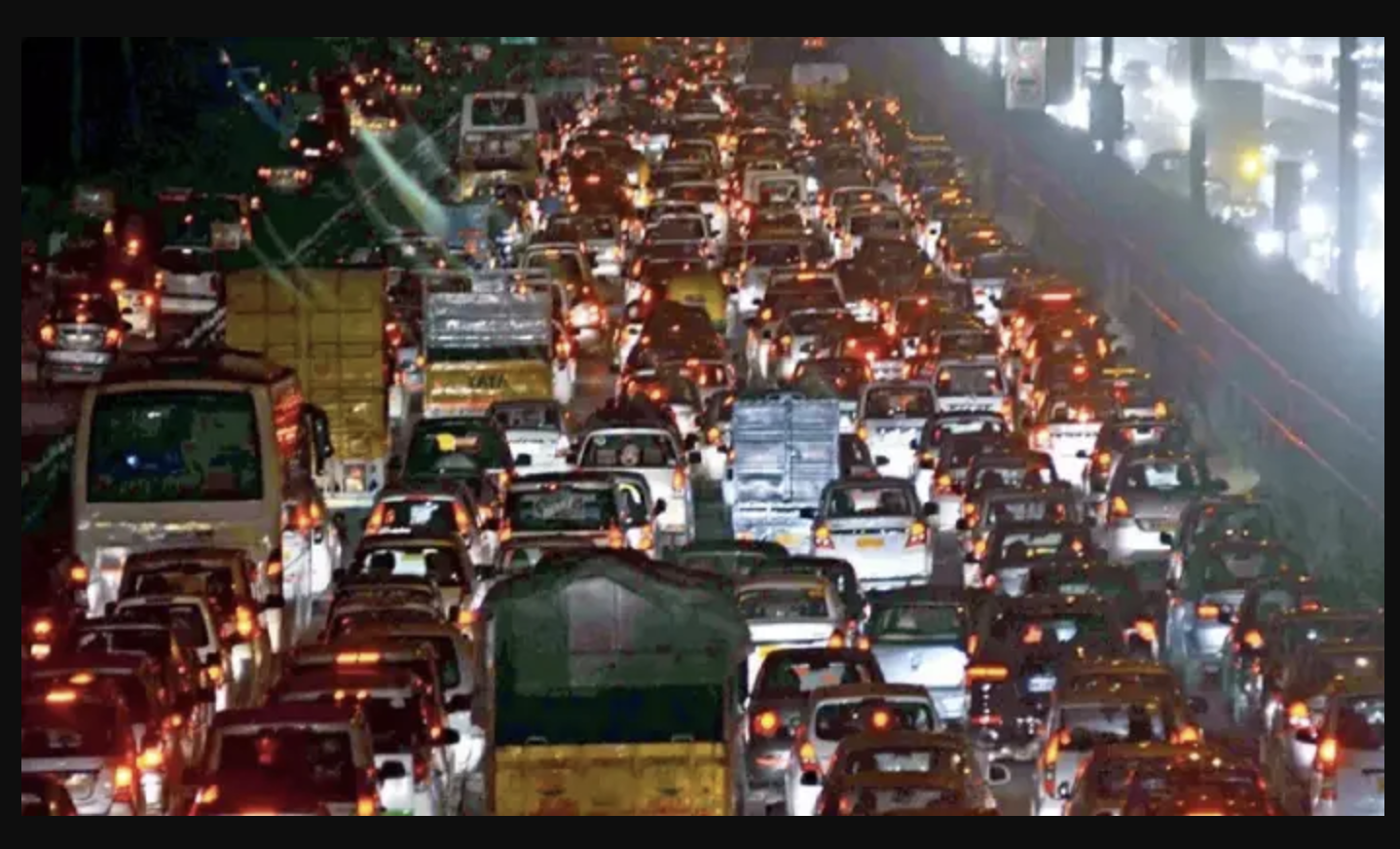
A shocking revelation from the latest Global Burden of Disease (GBD) data, released by the Institute for Health Metrics and Evaluation (IHME), has found that one in seven deaths in Delhi in 2023 was caused by polluted air. The analysis, conducted by the Centre for Research on Energy and Clean Air (CREA), highlights that ambient particulate matter pollution was responsible for nearly 15% of all fatalities in the capital, amounting to approximately 17,200 deaths last year.
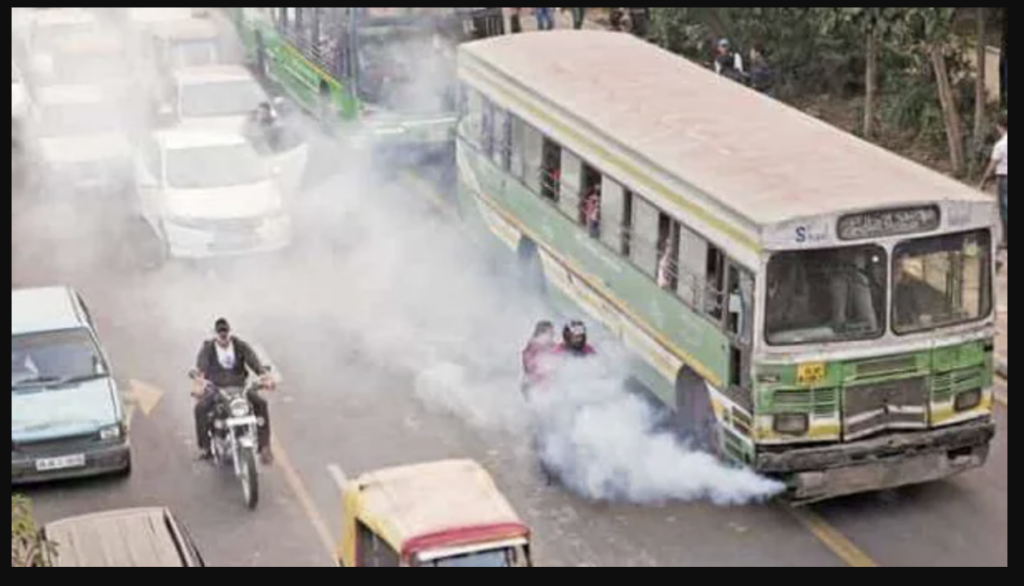
Nearly 5 Lakh Years of Healthy Life Lost
The report further revealed that 9.4% of Delhi’s total disability-adjusted life years (DALYs) were linked to particulate pollution — the highest in India. This translates to a loss of nearly 4.9 lakh years of healthy life among residents due to diseases and health conditions exacerbated by prolonged exposure to toxic air.
Manoj Kumar, an analyst at CREA, warned that the city’s health burden from air pollution-related diseases — such as respiratory illnesses, heart disease, stroke, and lung cancer — will continue to rise unless substantial improvements are made in air quality.
Doctors Warn of Long-Term Health Impact
Experts from leading institutions have echoed concerns over the findings. Dr. Nikhil Modi, Senior Consultant for Respiratory and Critical Care at Indraprastha Apollo Hospitals, stated that the 15% mortality estimate “is believable,” adding that prolonged exposure to polluted air worsens chronic diseases over time, eventually leading to death.
Dr. Neetu Jain, Senior Pulmonologist at PSRI Hospital, explained that while air pollution may not directly cause acute deaths, it acts as a chronic and invisible stressor, aggravating existing conditions like heart disease, stroke, COPD, and lung cancer. She noted that the estimates are based on robust epidemiological models that correlate pollution exposure with long-term mortality risks.
Complex to Quantify, But Urgent Action Needed
Dr. Harshal Ramesh Salve from AIIMS acknowledged that while the figures may be debated due to reliance on modelling, the trend clearly indicates a rising mortality risk from pollution exposure. He stressed the need for multi-sectoral action, combining health, environment, and urban policies to address the crisis.
Experts agree that without immediate interventions, Delhi’s air pollution could continue to silently erode public health, reducing life expectancy and increasing the burden of chronic diseases.
Summary
One in seven deaths in Delhi during 2023 were linked to air pollution, according to Global Burden of Disease data. Around 17,200 deaths and 4.9 lakh years of healthy life were lost due to particulate matter exposure. Experts warn that without drastic action, chronic illnesses and premature deaths caused by prolonged pollution exposure will continue to rise in the capital.