Delhi is preparing to implement stricter pollution control measures that will impact up to 1.2 million vehicles registered in the National Capital Region (NCR). With air quality deteriorating rapidly, authorities are expanding efforts to curb emissions from vehicles and improve public health, particularly during winter months when smog levels typically spike.
What’s the New Plan for NCR Vehicles?
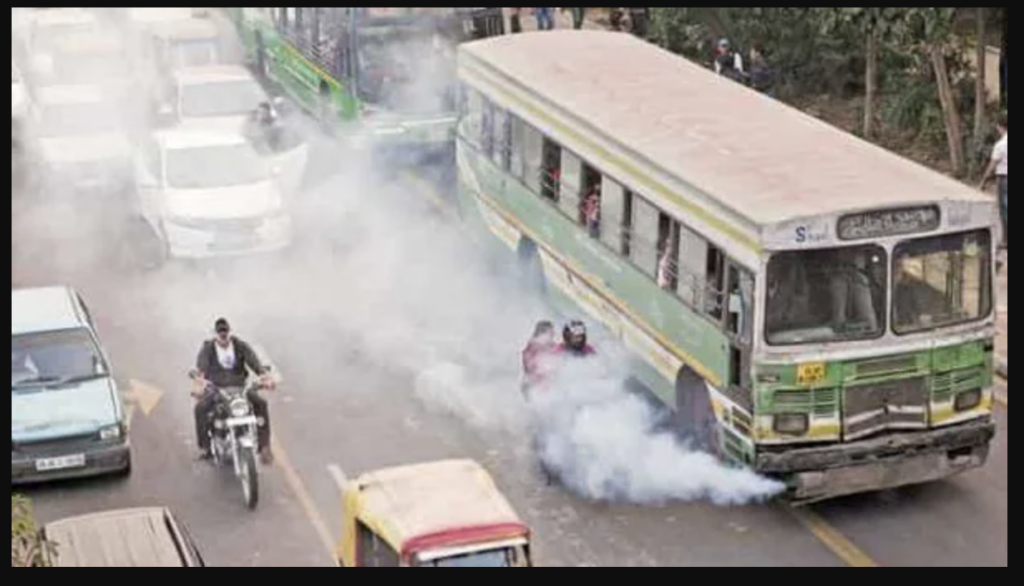
Under the latest pollution control strategy, vehicles registered in the NCR — including cars, two-wheelers, and commercial vehicles — may face enhanced restrictions or curbs on movement during peak pollution periods. Officials have emphasised that this move is part of a broader push to reduce vehicular emissions, which are a significant contributor to Delhi’s poor air quality.
While the exact implementation schedule and penalty structure are still being finalised, transport authorities have stated that the restrictions will focus on older, more polluting vehicles and those failing to meet updated emission norms.
Why This Step Is Being Introduced
Delhi’s air quality has consistently ranked among the worst in the world during winter due to a combination of vehicle pollution, crop stubble burning in neighbouring states, construction dust, and climatic conditions. Vehicular emissions contribute a large share of nitrogen oxides (NOx), particulate matter (PM2.5 and PM10), and other pollutants that directly affect respiratory health.
By tightening controls on vehicles entering or operating within the city, authorities hope to:
- Reduce harmful emissions
- Decrease overall pollution levels
- Lower health risks associated with poor air quality
- Encourage cleaner transport alternatives
Who Will Be Affected?
The measure is expected to affect up to 1.2 million vehicles in the NCR — which includes parts of neighbouring states around Delhi — especially older vehicles that are less fuel efficient and emit more pollutants. Vehicle owners may be required to adhere to stricter emission testing, comply with no-entry windows, or face temporary movement curbs during designated “high pollution” days.
Certain categories of vehicles, such as electric vehicles and those with updated emission standards, may receive exemptions or priority access.
How the Restrictions May Work
Authorities are likely to use air quality forecasting and real-time monitoring to trigger restrictions when pollution levels cross hazardous thresholds. Such actions may include:
- Temporary bans on high-polluting vehicles during peak smog days
- Odd–even schemes or rotational access rules in sensitive zones
- Increased fines for vehicles found violating emission norms
- Mandatory pollution checks and certification for NCR-registered vehicles
This dynamic approach aims to strike a balance between environmental necessity and commuter needs.
What Delhi Residents Should Prepare For
Drivers in and around Delhi should monitor official guidelines, ensure their vehicles meet emission standards, and consider switching to cleaner alternatives such as electric vehicles, public transport, or car-pooling. Regular vehicle servicing, tyre checks, and use of cleaner fuels can help reduce individual pollution footprints.