The Union Cabinet has cleared a major healthcare reform under Phase III of the Centrally Sponsored Scheme (CSS), aimed at strengthening medical education and healthcare delivery across India. The plan includes the addition of 5,023 MBBS seats and 5,000 postgraduate medical seats in government medical colleges and standalone PG institutes by 2028-2029.
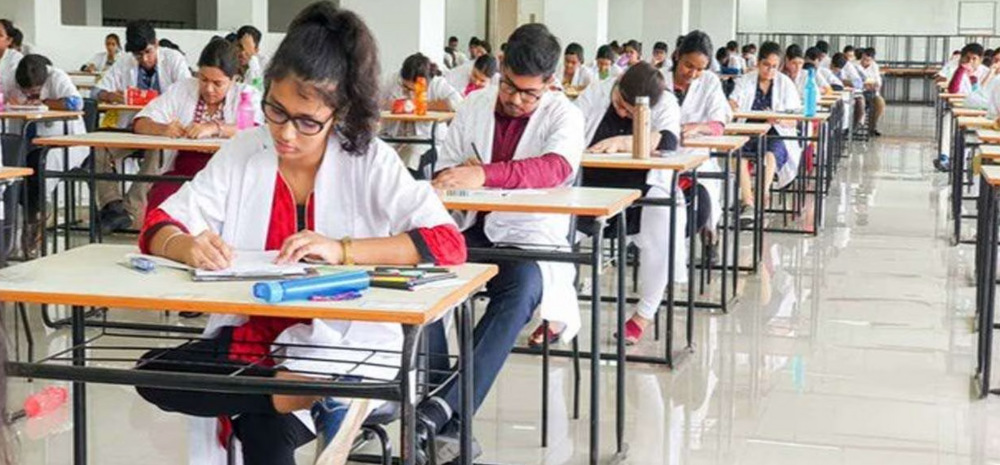
This move comes as part of a broader government effort to address the shortage of doctors and improve healthcare access, particularly in rural and underserved regions.
Funding and Implementation
The total cost of the project is estimated at ₹15,034.50 crore between 2025-26 and 2028-29. Of this, the central government will contribute ₹10,303.20 crore, while state governments will provide ₹4,731.30 crore.
- Cost per seat: ₹1.50 crore
- Implementation guidelines: To be released by the Ministry of Health and Family Welfare (MoH&FW)
Prime Minister Narendra Modi highlighted that this initiative will “significantly enhance India’s healthcare infrastructure and ensure the availability of skilled doctors across the nation.”
Key Benefits of the Expansion
- Improved Healthcare Access: More doctors in rural and remote regions will enhance medical services.
- Efficient Use of Resources: The expansion leverages existing medical infrastructure for maximum impact.
- More Specialists: Additional PG seats will address shortages in critical specialties.
- Balanced Healthcare Distribution: Resources will be allocated equitably across states and union territories.
Boosting Employment and Medical Infrastructure
The scheme is also expected to create thousands of new jobs for healthcare professionals — including doctors, nurses, technicians, and support staff — while improving the overall quality of medical education and healthcare delivery.
Experts say the expansion will help India meet its growing healthcare demands, ensure timely access to specialists, and strengthen the public health system.